DERMORE Clinic Gangnam, Seoul · Value Beyond Skin · International Patient Support


Body Contouring · Needs Clinic Confirmation
Device Body Contouring
Device body contouring is a non-surgical treatment that uses specialized equipment to improve the appearance and definition of selected body areas.
Schedule a ConsultationDevice Body Contouring in Seoul, Korea

Medically reviewed by Dr. Seung-Gon Jeong, board-certified internal medicine specialist DERMORE Clinic, Gangnam-gu, Seoul
Device body contouring is a non-surgical treatment that uses specialized equipment to improve the appearance and definition of selected body areas. At DERMORE Clinic in Gangnam, Seoul, it belongs to Body Contouring, and it is less a single treatment than a question: which device, for which goal.
What Is Device Body Contouring?
Different devices work through different mechanisms, and that is the single most useful thing to understand before choosing one.
Technologies include radiofrequency, focused ultrasound, cryolipolysis, electromagnetic muscle stimulation and laser-based systems.
Some target localized fat; some heat tissue to support collagen-related changes; others stimulate muscle contractions.
Not every device addresses all of these concerns.
Common treatment areas include the abdomen, waist, thighs, hips, upper arms, back and flanks.
The plan depends on body composition, skin condition, the desired outcome and the device selected.
A device that reduces fat will not tighten skin, and a device that stimulates muscle will not reduce fat. Choosing by brand rather than by mechanism is the most common way a patient ends up with a treatment that was never capable of doing what they wanted — which is why the equipment should be selected according to the goal, the area and the manufacturer's instructions.
Patients usually come wanting to improve body shape, address localized fat bulges or enhance skin firmness without surgery, often with a relatively stable weight and specific areas that have not responded to exercise and healthy eating.
What Regulators Say About Non-Invasive Body Contouring
The U.S. Food and Drug Administration describes this category plainly and sets expectations better than most marketing does.
Non-invasive body contouring, it states, describes non-surgical procedures that do not remove any tissue from the body. It does not treat obesity or improve your health, and it will not result in weight loss or contribute to the health benefits associated with weight loss. Procedures may not always result in the desired effect, and the result may only be temporary — many of them produce temporary improvement in the appearance of a bulge or of cellulite. The agency advises asking how many treatments will be needed, how long the effects are expected to last, and whether additional procedures will be needed to maintain the effect.
On risk, it notes that complications reported for all body contouring devices may include pain or discomfort, redness, swelling, bruising and nodules — lumpiness you can feel but not see — and that while minor complications may be short-lived, some may last a long time, become permanent, or require surgery to correct. It also records that there are no cleared or approved non-invasive body contouring devices for treating the breasts.
Who Performs Device Body Contouring at DERMORE Clinic
|
|
Dr. Seung-Gon Jeong | Dr. Song-Hee Han |
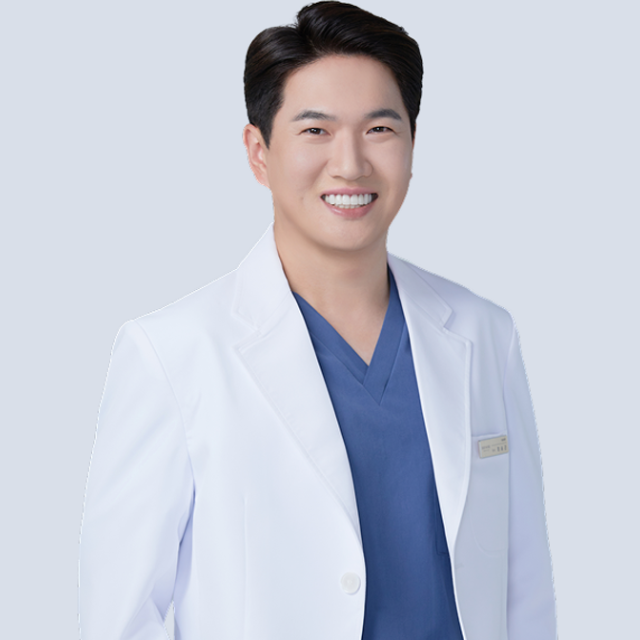
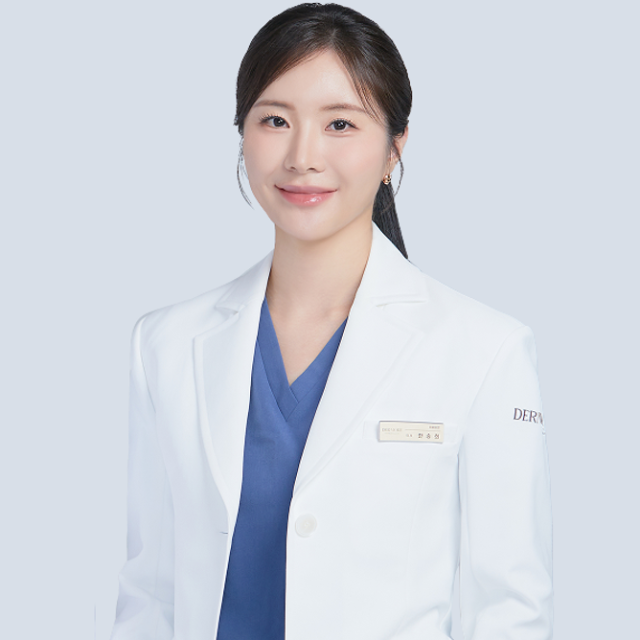
Both of DERMORE Clinic's physicians perform treatments in this category, and both hold a representative director role. This page does not claim that one specific doctor personally performs every session of this service; the treating physician is confirmed when the treatment is scheduled.
Dr. Seung-Gon Jeong leads this area of the clinic's practice and is the named reviewer for this page. Dr. Seung-Gon Jeong is a Representative Director of DERMORE Clinic and a board-certified internal medicine specialist. His stated areas of practice are anti-aging treatments, lifting, volume enhancement, functional medicine, obesity management, body contouring and IV nutrient therapy. He was previously a director at Rienjang Clinic. He is a certified obesity specialist through the Korean Society for the Study of Obesity and a certified nutritional supplement prescription specialist through the Korean Society of Nutritional Supplement Prescription, and he is a member of the Korean Society of Functional Medicine, the Korean Society of Aesthetic Plastic and Laser Medicine, the Korean Filler Society and the Korean Society of Internal Medicine.
Dr. Song-Hee Han also performs treatments in this category. Dr. Song-Hee Han is a Representative Director of DERMORE Clinic and a board-certified dermatologist who holds a Doctor of Medicine degree and a PhD. Her stated areas of specialization are anti-aging treatments, lifting, volume enhancement, pigmentation and sensitive skin care. She was previously a director at Mifamoon Dermatology Clinic, Purin Dermatology Clinic and the Sinsa branch of The Hill Dermatology Clinic. She is a full member of the Korean Dermatological Association and the Korean Clinical Dermatology Treatment Research Association, and a member of the Korean Society for Laser Dermatology and the Korean Society of Dermatologic Anti-Aging Medicine.
Every treatment at DERMORE Clinic begins with a one-on-one consultation with a physician, supported by the Metaview facial skin analysis system, and the treatment plan is then built around the patient's skin condition, medical history, expectations and schedule rather than a fixed menu.
Who Is a Good Candidate for Device Body Contouring?
Adults in generally good health with stable body weight and realistic expectations.
Adults seeking modest improvements in localized fat deposits, body contours or skin firmness.
Adults for whom the device's intended use matches the target area and the goal.
Suitability depends on the device and its mechanism. Treatment may need to be postponed for active skin infections, wounds or significant irritation in the treatment area. Certain devices may be unsuitable for people with implanted electronic devices, metal implants, impaired sensation or specific medical conditions. Pregnancy, breastfeeding, and conditions affecting circulation or healing may require special consideration.
Disclose your medical history, medications, implants and allergies so that the clinician can assess your individual risks and contraindications — with this category more than most, those details change which device can be used at all.
A consultation is also the place to establish whether a device-based treatment is the right approach, or whether another route would be more effective for what you want.
What to Expect: Procedure, Recovery, and Results Timeline
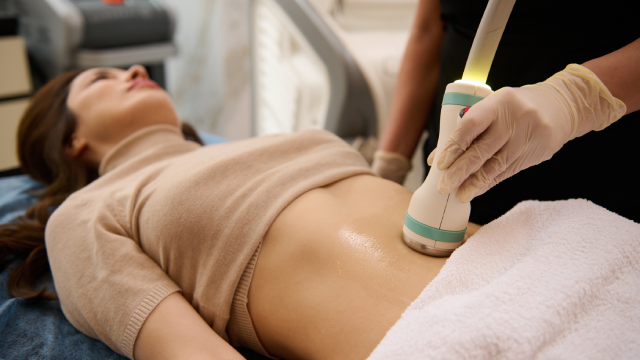
A session follows a consistent sequence: the treatment area is examined and marked where necessary; the skin is prepared and any required protective measures or coupling gel are applied according to the device instructions; the device is positioned on or moved over the target area and treatment is delivered at the appropriate settings; the clinician monitors your comfort and the skin's response throughout; the treated area is checked afterwards for redness, swelling, tenderness or other immediate reactions; and aftercare instructions are given along with guidance about further sessions or follow-up.
Most non-invasive body-contouring treatments do not require general anesthesia. Depending on the technology you may feel warmth, cooling, tingling, suction, vibration or temporary discomfort during the session, and some treatments produce mild tenderness or muscle soreness afterwards. Pain-control measures are generally limited to adjusting the settings, pausing treatment, or using appropriate comfort measures — and the sensations to expect should be explained before the session begins.
The number of sessions and the interval between them depend on the technology and the goal, which is why the three questions the regulator recommends — how many, how long, how much maintenance — are the right ones to ask at the consultation rather than at the end of a course.
Safety, Precision, and Clinic Standards
The complications reported across body-contouring devices include pain or discomfort, redness, swelling, bruising and nodules, as noted above. Individual technologies carry their own additional risks, and those depend on the mechanism rather than on the category.
Screening is the safety step that matters most here, because contraindications are device-specific rather than general: an implanted electronic device, metal in the treatment area, or impaired sensation can rule out one technology while leaving another available. A clinic that asks those questions carefully before choosing the device is doing the part of this treatment that protects you.
What DERMORE Clinic states about its own standards is this. Consultations and treatments are led by a board-certified dermatologist and a board-certified internal medicine specialist. Treatment planning is personalized through one-on-one consultation to assess individual needs and suitability. The clinic also provides dedicated pre-treatment and post-treatment care, including intensive care programs, and its stated philosophy is "Value Beyond Skin" — care that goes beyond external appearance to support inner confidence and overall health.
DERMORE Clinic occupies approximately 330 m², about 100 pyeong, on the third floor of the Yeonseung Building in Gangnam, and every skin-care treatment room in the clinic is a private room.
DERMORE Clinic is a Registered Medical Institution for Attracting Foreign Patients, registered with the Republic of Korea's Ministry of Health and Welfare under the Medical Overseas Expansion and Foreign Patients Attraction Act. That registration covers the treatment of international patients; it is not a facility accreditation.
Combining Device Body Contouring with Other Treatments
Because different devices do different things, combining them is sometimes exactly right — fat reduction in an area alongside a firmness treatment, for instance — and sometimes simply more treatment than the goal requires. The clinician decides the combination and the sequence.
Body Contouring, where the clinic's injectable and surgical options are compared.
Medical Weight Loss, where overall weight rather than contour is the concern.
Anti-Aging & Facial Lifting, where skin firmness is addressed with facial technologies.
The Bottom Line
Different devices do different jobs: fat, firmness and muscle are three separate goals.
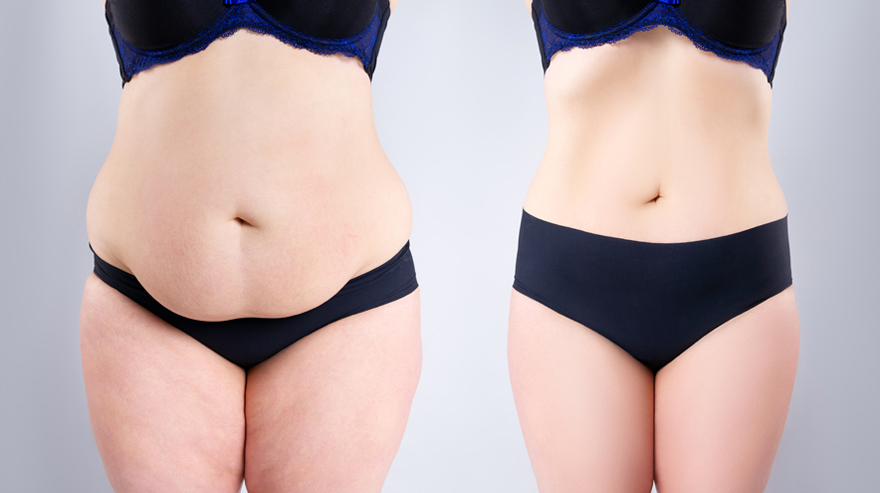
Non-invasive contouring removes no tissue, does not treat obesity and will not produce weight loss.
Results may be temporary; ask how many treatments, how long the effect lasts and what maintenance is needed.
Reported complications include pain, redness, swelling, bruising and nodules, most short-lived but some lasting.
Implants, metal and impaired sensation are device-specific contraindications, so screening decides the technology.
Frequently Asked Questions
Am I a good candidate for device body contouring? Adults in generally good health with stable body weight and realistic expectations, seeking modest improvement in localized fat, contours or firmness. Suitability depends on the device's intended use, the area, your skin condition, medical history and goals.
Who should avoid or postpone treatment? Anyone with an active skin infection, wound or significant irritation in the area. Certain devices are unsuitable for people with implanted electronic devices, metal implants, impaired sensation or specific medical conditions, and pregnancy, breastfeeding and circulation or healing conditions need special consideration.
Will this make me lose weight? No. Non-invasive body contouring does not treat obesity, will not result in weight loss, and does not contribute to the health benefits associated with weight loss.
Which device will be used on me? That is decided from the goal, the area and the manufacturer's instructions. Since different devices target fat, firmness or muscle respectively, asking which mechanism yours uses — and why — is the most useful question you can ask.
Is it painful? Is anesthesia used? General anesthesia is not required. Depending on the technology you may feel warmth, cooling, tingling, suction, vibration or temporary discomfort, with mild tenderness or muscle soreness possible afterwards.
How many sessions will I need? That depends on the technology and the goal. Ask how many treatments are needed, how long the effects are expected to last, and whether additional procedures will be needed to maintain them.
Are the results permanent? Not necessarily. Many of these procedures result in temporary improvement, which is why maintenance is part of the conversation rather than an afterthought.
What side effects are common? Pain or discomfort, redness, swelling, bruising and nodules. Minor complications may be short-lived, though some can last a long time, become permanent, or require surgery to correct.
Book a Consultation at DERMORE Clinic
If you are considering device body contouring in Gangnam, Seoul, the consultation matches a mechanism to your goal — and that match, rather than the device name, is what determines whether the treatment can work.
DERMORE Clinic is at 3F, Yeonseung Building, 228 Dosan-daero, Gangnam-gu, Seoul 06048, Republic of Korea. Consultation hours are Monday to Friday from 10:00 to 19:00 KST and Saturday from 10:00 to 16:30 KST, with a weekday lunch break from 13:00 to 14:00 KST. The Wednesday schedule varies by holiday week, and the clinic is closed on Sundays and public holidays.
To book a consultation, contact DERMORE Clinic through its contact page, by phone on +82-2-541-3888, or by email at info@dermoreseoul.com. Consultations for international patients are available in English.
Disclaimer
For general information only. This page does not replace professional medical advice, diagnosis or treatment. Whether any treatment described here is appropriate for you, what it can realistically achieve and what risks it carries are determined in an individual consultation with a qualified medical professional at DERMORE Clinic. Individual results vary with skin condition, medical history, the technology selected and the course of recovery.
Sources & Further Reading
- U.S. Food and Drug Administration — Non-Invasive Body Contouring Technologies: technologies, risks and questions to ask
Other Treatments
Explore additional dermatology and anti-aging treatments offered at DERMORE Clinic.
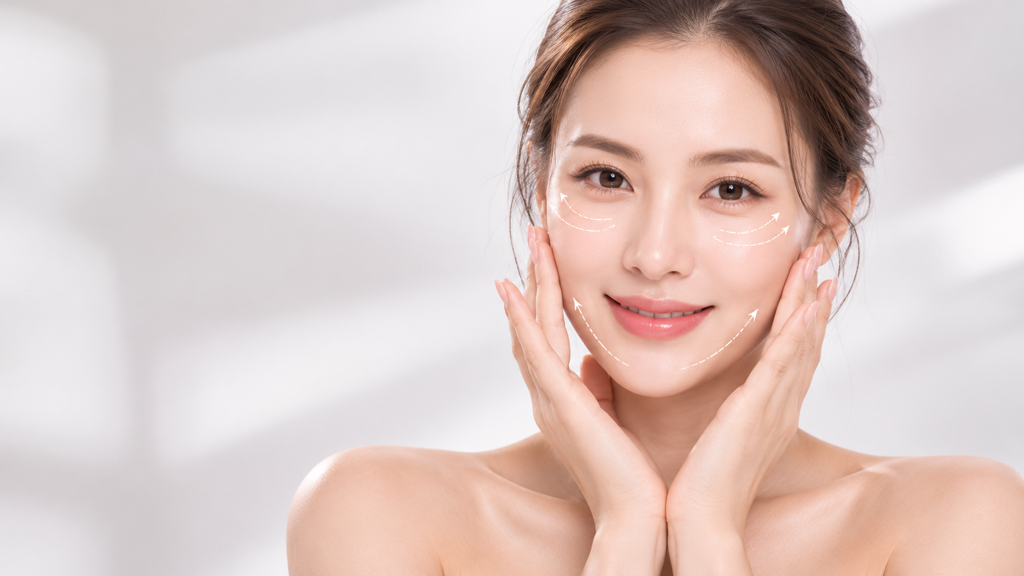
EMFACE Facial Muscle Lifting
EMFACE facial muscle lifting is a non-invasive treatment that combines synchronized radiofrequency energy with HIFES™ muscle stimulation, so that one session addresses both the skin and the facial muscles beneath it.
Learn More

ELSA Local Lipolysis
ELSA Local Lipolysis is a localized fat-reduction treatment intended to reduce stubborn fat deposits in selected body areas and improve body contours.
Learn More

Pre- & Post-Procedure Skin Care
Pre- and post-procedure skin care is personalized guidance and supportive skin care before and after cosmetic or dermatological treatments.
Learn More