DERMORE Clinic Gangnam, Seoul · Value Beyond Skin · International Patient Support


Specialty Overview
Body Contouring
Body contouring means non-surgical treatments aimed at selected concerns: skin firmness, body shape, localized fat, and contour definition.
Schedule a ConsultationFacial and Body Contouring in Seoul, Korea

Medically reviewed by Dr. Seung-Gon Jeong, board-certified internal medicine specialist DERMORE Clinic, Gangnam-gu, Seoul
Body contouring in Korea, at DERMORE Clinic in Gangnam, Seoul, means non-surgical treatments aimed at selected concerns: skin firmness, body shape, localized fat and contour definition. Depending on what the assessment finds, treatment may involve radiofrequency technology, focused ultrasound or contouring injections. What it does not mean is weight loss — and that distinction is the first thing the consultation establishes.
What Is Facial & Body Contouring?
Non-surgical contouring changes the shape of a defined area. It does not change what you weigh, and it does not do what surgery does.
Three mechanisms are used here: radiofrequency, focused ultrasound and injections. Each targets tissue differently and suits a different complaint.
The concern decides the method. Excess fat, skin laxity and cellulite are three different problems, and the best option depends on which one is primary.
The results are modest and variable. Depending on the treatment selected, contouring may help improve the appearance of skin laxity, localized fullness, cellulite and contour definition, with results varying by technology or product, treatment area and individual response.
It is not a substitute for comprehensive weight management or for surgical fat removal. That is the clinic's own statement, and it is the honest boundary of the category.
Maintenance may be part of the plan. The duration of results varies, and maintenance treatments may be recommended.
Patients travelling from the United States come to this category for localized fullness, reduced skin firmness, cellulite, or areas where they would like more defined contours. Those four are not variations on one complaint; they have different causes and they respond to different mechanisms, and the usual reason a non-surgical contouring treatment disappoints is that it was applied to the wrong one of them. Treatment selection here depends on individual concerns, anatomy, health history and preferences, in that order — the preference matters, but it comes after the anatomy.
The approved description the clinic works to is narrow by design: selected non-surgical body-contouring treatments may help improve the appearance of localized fullness, skin laxity and body contour definition, and results vary according to the treatment method and individual characteristics.
Who Performs Facial & Body Contouring at DERMORE Clinic
|
|
Dr. Song-Hee Han, D.M., PhD | Dr. Seung-Gon Jeong |
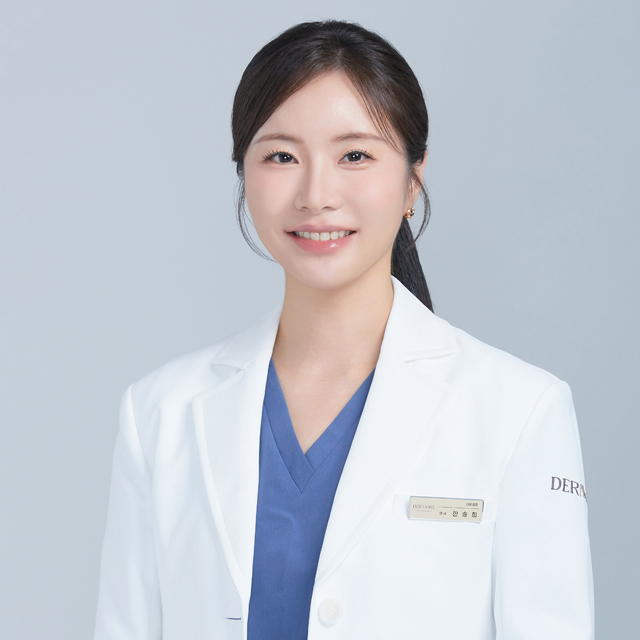
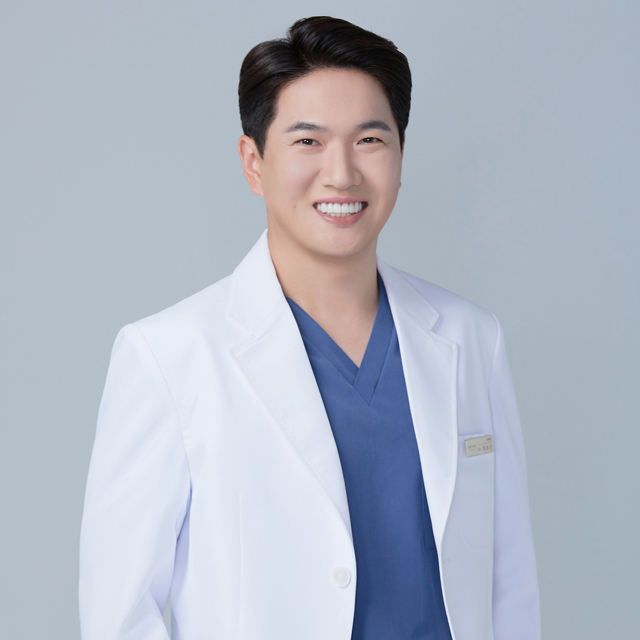
Both of DERMORE Clinic's physicians work in this category, and both hold a representative director role.
Dr. Seung-Gon Jeong leads this area of the clinic's practice and is the named reviewer for this page. Dr. Seung-Gon Jeong is a Representative Director of DERMORE Clinic and a board-certified internal medicine specialist. His stated areas of practice are anti-aging treatments, lifting, volume enhancement, functional medicine, obesity management, body contouring and IV nutrient therapy. He was previously a director at Rienjang Clinic. He is a certified obesity specialist through the Korean Society for the Study of Obesity and a certified nutritional supplement prescription specialist through the Korean Society of Nutritional Supplement Prescription, and he is a member of the Korean Society of Functional Medicine, the Korean Society of Aesthetic Plastic and Laser Medicine, the Korean Filler Society and the Korean Society of Internal Medicine. Body contouring and obesity management both appear in that profile, which matters here: the clinician who treats a contour concern is also the one qualified to say when the concern is not actually a contour problem.
Dr. Song-Hee Han also works in this category. Dr. Song-Hee Han is a Representative Director of DERMORE Clinic and a board-certified dermatologist who holds a Doctor of Medicine degree and a PhD. Her stated areas of specialization are anti-aging treatments, lifting, volume enhancement, pigmentation and sensitive skin care. She was previously a director at Mifamoon Dermatology Clinic, Purin Dermatology Clinic and the Sinsa branch of The Hill Dermatology Clinic. She is a full member of the Korean Dermatological Association and the Korean Clinical Dermatology Treatment Research Association, and a member of the Korean Society for Laser Dermatology and the Korean Society of Dermatologic Anti-Aging Medicine.
Facial & Body Contouring Options Available
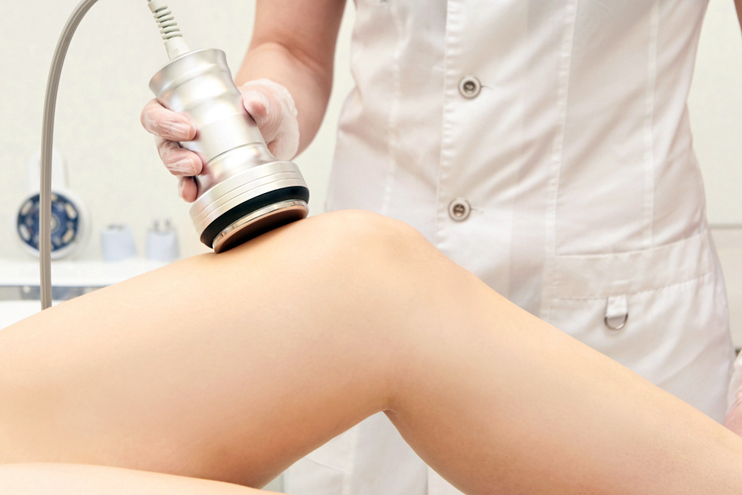
DERMORE Clinic offers five treatments in this category, split between devices and injections.
Service | Type |
|---|---|
Injection | |
Injection | |
Injection-based local fat reduction | |
Procedural fat removal | |
Device-based |
The clinic's contouring devices are 3DEEP PRO BODY, which uses radiofrequency technology, and LINEAR Z BODY, which uses focused ultrasound. Treatment may target different tissue depths depending on the technology selected: 3DEEP PRO BODY is presented as a treatment for skin firmness and body contouring, while LINEAR Z BODY uses focused ultrasound to target selected tissue depths. The specific device and injection product are selected according to the treatment plan rather than offered as a menu.
Alternatives are part of the discussion. Lifestyle-based weight management, exercise, other non-surgical skin-tightening procedures, or surgical body contouring for appropriate candidates may all be the better answer, and which one it is depends on whether the primary concern is excess fat, skin laxity or cellulite. A clinic that does not ask that question first is selling a treatment rather than answering a problem. The same applies to the boundary with surgery: local liposuction and a device session are not two strengths of the same thing, and a patient whose concern genuinely calls for the first is not well served by being sold a course of the second.
Every treatment at DERMORE Clinic begins with a one-on-one consultation with a physician, supported by the Metaview facial skin analysis system, and the treatment plan is then built around the patient's skin condition, medical history, expectations and schedule rather than a fixed menu.
Who Is a Good Candidate for Facial & Body Contouring?
Adults with localized contour concerns.
Adults with mild skin laxity.
Patients who want to explore non-surgical options and who understand their realistic limitations.
Treatment may be unsuitable or require postponement for:
Patients with active skin infections or open wounds.
Patients with certain medical conditions.
Patients who are pregnant or breastfeeding.
Patients with implanted electronic devices.
Patients with conditions affecting healing or bleeding.
Eligibility depends on the specific device or injection product, so a patient cleared for one treatment in this category has not automatically been cleared for another. This is one of the few places where a patient's own record matters as much as the examination: implanted devices and metal in a treatment area are not always visible, and they are not always remembered until asked about directly.
What to Expect: Procedure, Recovery, and Results Timeline
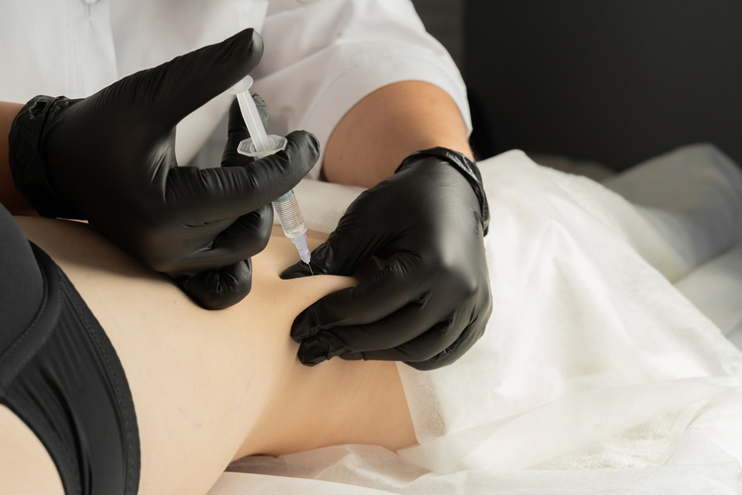
A session follows four steps.
Consultation: the areas to be treated are identified and an appropriate approach is selected.
Preparation: the treatment area is cleaned and the skin prepared.
Treatment: the selected radiofrequency or focused-ultrasound device is applied, or contouring injections are administered if indicated.
Aftercare: the treated area is assessed and personalized aftercare instructions are given.
Treatment takes approximately 20 to 60 minutes per session depending on the area and the procedure. Some treatment plans involve approximately three to six sessions, often spaced two to four weeks apart, while certain treatments require fewer or more. Anesthesia is generally not required for non-invasive device-based contouring; you may feel warmth, pressure, tingling or temporary discomfort, and contouring injections may cause brief stinging or tenderness.
Stage | What happens |
|---|---|
Device treatments, days 1–3 | Temporary redness, swelling or tenderness subsides |
Contouring injections, days 3–7 | Initial recovery, though swelling or bruising may last longer depending on the product and individual response |
Days to 2 weeks | Initial changes may be noticeable, depending on the treatment |
4–12 weeks or longer | Final result develops, depending on the technology, product and goal |
Beyond | Duration of results varies; maintenance treatments may be recommended |
For international patients, approximately one day is enough for a single body-contouring session, with additional days needed if multiple treatments or follow-up appointments are scheduled. Flying home the same day is generally possible after a non-invasive session, provided you feel well and the clinician confirms it is appropriate. After contouring injections, follow the clinic's travel advice based on the product used and on how you respond.
Before treatment, tell the clinic about your medical conditions, medications, allergies, pregnancy or breastfeeding status, implanted devices and previous cosmetic treatments. Keep the treatment area clean, avoid excessive sun exposure, and follow the clinic's instructions about alcohol, strenuous activity and any preparation specific to your treatment.
Afterwards, follow the aftercare instructions for the treatment you had. Avoid excessive heat, strenuous exercise and irritating the treated area for the period your clinician recommends. Monitor for unusual pain, persistent swelling, skin discoloration or other unexpected reactions, and contact the clinic if any of these occur.
Safety, Precision, and Clinic Standards

Device-based treatments may cause temporary redness, swelling, tenderness, bruising or discomfort. Depending on the technology, burns, changes in sensation or tissue injury may occur. Contouring injections may cause pain, swelling, bruising, inflammation, lumps, infection or other product-specific complications.
Regulators publish a plain account of what this category can and cannot do, and it is worth reading before a consultation. The U.S. Food and Drug Administration states that non-invasive body contouring is not intended to treat obesity or to improve health, that it will not result in weight loss or contribute to the health benefits associated with weight loss, and that not everyone responds or achieves the effect they are seeking — results may be temporary, and more than one treatment may be needed. It lists the complications reported across all body contouring devices as pain or discomfort, redness, swelling, bruising and nodules, and adds device-specific risks: for radiofrequency, blisters, burns, changes in skin colour and scars; for ultrasound, burns and nerve damage. It also sets out who should not have radiofrequency treatment at all — people with active implants such as a pacemaker or implanted cardioverter defibrillator, metal under the skin from an implant or injury, or tattoos containing metal particles in the treated area.
Injectable contouring deserves its own warning, because it is the part of this category most affected by unapproved products. The FDA recommends against using dermal fillers or any injectable filler for body contouring and enhancement, and states that injectable silicone is not approved for any aesthetic procedure including facial or body contouring, noting that silicone injections can lead to long-term pain, infections and serious injuries such as scarring and permanent disfigurement, embolism, stroke and death. Asking what is in the syringe, and what it is for, is the single most protective question a patient can ask in this category — anywhere, not only abroad.
The same regulator's pre-treatment checklist is short and worth taking to any consultation. Tell the provider about every medication you take, including over-the-counter supplements and vitamins. Tell them about implanted medical devices, artificial joints, metal implants or screws, an intra-uterine device, mesh, a tattoo, a scar, a cosmetic implant or any previous surgery in the treatment area. Tell them if you take anticoagulants, if you are immune deficient or immune suppressed, if you have a clotting or bleeding disorder, uncontrolled diabetes, an active skin infection, eczema, psoriasis, vitiligo or an autoimmune disease, a history of keloid scars, a known malignancy or current chemotherapy, radiotherapy or steroid treatment, if you have taken isotretinoin in the past six months, if you are tanned or plan to be in the sun, or if you are pregnant or breastfeeding. Also ask how the device is cleaned between patients and whether a new disposable piece is used for each session. None of those questions is unusual; all of them change either the risk or the plan.
What DERMORE Clinic states about its own process is this. Treatment is selected according to the patient's contouring goals, skin condition and target tissue depth, and choosing the appropriate technology and adjusting settings to the individual may help reduce the risk of unwanted effects. The consultation assesses treatment goals, skin firmness, tissue characteristics, areas of localized fullness, medical history, medications, allergies and previous procedures, and the expected benefits, limitations, risks and recommended plan are explained on that basis. Consultations and treatments are led by a board-certified dermatologist and a board-certified internal medicine specialist. The clinic also provides dedicated pre-treatment and post-treatment care, including intensive care programs, and its stated philosophy is "Value Beyond Skin" — care that goes beyond external appearance to support inner confidence and overall health.
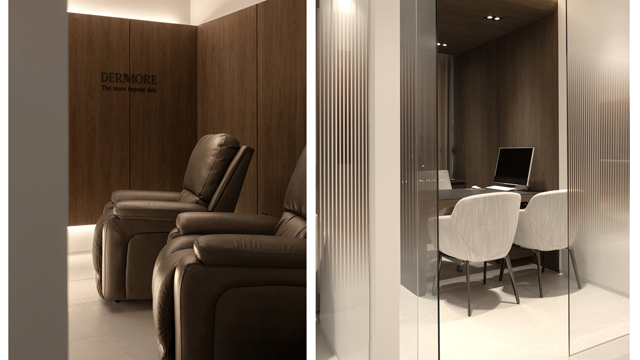
DERMORE Clinic occupies approximately 330 m², about 100 pyeong, on the third floor of the Yeonseung Building in Gangnam, and every skin-care treatment room in the clinic is a private room.
DERMORE Clinic is a Registered Medical Institution for Attracting Foreign Patients, registered with the Republic of Korea's Ministry of Health and Welfare under the Medical Overseas Expansion and Foreign Patients Attraction Act. That registration covers the treatment of international patients; it is not a facility accreditation.
The Bottom Line
Non-surgical contouring reshapes a defined area; it is not weight loss and it is not surgery.
Excess fat, skin laxity and cellulite are different problems, and which one is primary decides the method.
Device sessions run approximately 20 to 60 minutes, and some plans involve three to six sessions spaced two to four weeks apart.
Initial changes may appear within days to two weeks; the final result takes roughly four to twelve weeks or longer.
Being cleared for one treatment here does not mean being cleared for another — eligibility is per device and per product.
Frequently Asked Questions
Am I a good candidate for non-surgical body contouring? Adults with localized contour concerns or mild skin laxity who want to explore non-surgical options and understand their limitations may be. Suitability depends on the treatment selected and on an individual assessment of your goals, tissue characteristics and medical history.
Who should avoid or postpone treatment? Treatment may be unsuitable or need postponing for patients with active skin infections, open wounds or certain medical conditions. Additional restrictions apply to patients who are pregnant or breastfeeding, who have implanted electronic devices, or who have conditions affecting healing or bleeding. Eligibility depends on the specific device or injection product.
How long does it take, and how many sessions will I need? Approximately 20 to 60 minutes per session, depending on the area and the procedure. Some plans involve approximately three to six sessions, often spaced two to four weeks apart; certain treatments require fewer or more.
Is it painful? Non-invasive treatments may cause temporary warmth, pressure, tingling or mild discomfort. Contouring injections may cause brief stinging or tenderness. How much you feel depends on the method and on your own sensitivity.
How many days should I stay in Korea? Approximately one day for a single session. Additional days are needed if multiple treatments or follow-up appointments are scheduled. Flying home the same day is generally possible after a non-invasive session if the clinician confirms it is appropriate.
When will I see the result? Initial changes may be noticeable within a few days to two weeks, depending on the treatment. The final result develops over approximately four to twelve weeks or longer, depending on the technology, the product and the goal. Maintenance treatments may be recommended.
What are the common side effects? Temporary redness, swelling, tenderness, bruising, warmth or discomfort in the treated area. Injection-related effects depend on the product used, and may include inflammation or lumps.
Will this help me lose weight? No. These treatments address the appearance of a defined area. They are not a substitute for comprehensive weight management or for surgical fat removal, and if weight is the actual concern, that is a different conversation — one the clinic's medical weight management service exists for.
Book a Consultation at DERMORE Clinic
If you are considering facial or body contouring in Gangnam, Seoul, start by naming the concern — fat, laxity or cellulite — because the answer to that question decides everything that follows.
DERMORE Clinic is at 3F, Yeonseung Building, 228 Dosan-daero, Gangnam-gu, Seoul 06048, Republic of Korea. Consultation hours are Monday to Friday from 10:00 to 19:00 KST and Saturday from 10:00 to 16:30 KST, with a weekday lunch break from 13:00 to 14:00 KST. The Wednesday schedule varies by holiday week, and the clinic is closed on Sundays and public holidays.
To book a consultation, contact DERMORE Clinic through its contact page, by phone on +82-2-541-3888, or by email at info@dermoreseoul.com. Consultations for international patients are available in English.
Disclaimer
For general information only. This page does not replace professional medical advice, diagnosis or treatment. Whether any treatment described here is appropriate for you, what it can realistically achieve and what risks it carries are determined in an individual consultation with a qualified medical professional at DERMORE Clinic. Individual results vary with skin condition, medical history, the technology selected and the course of recovery.
Sources & Further Reading
U.S. Food and Drug Administration — Non-Invasive Body Contouring Technologies: what it is, risks by technology, and what to tell your provider
U.S. Food and Drug Administration — Dermal Fillers (Soft Tissue Fillers): unapproved uses, including body contouring
Related Procedures & Treatments
Explore dermatology and anti-aging services available at DERMORE Clinic.
EMFACE Facial Muscle Lifting
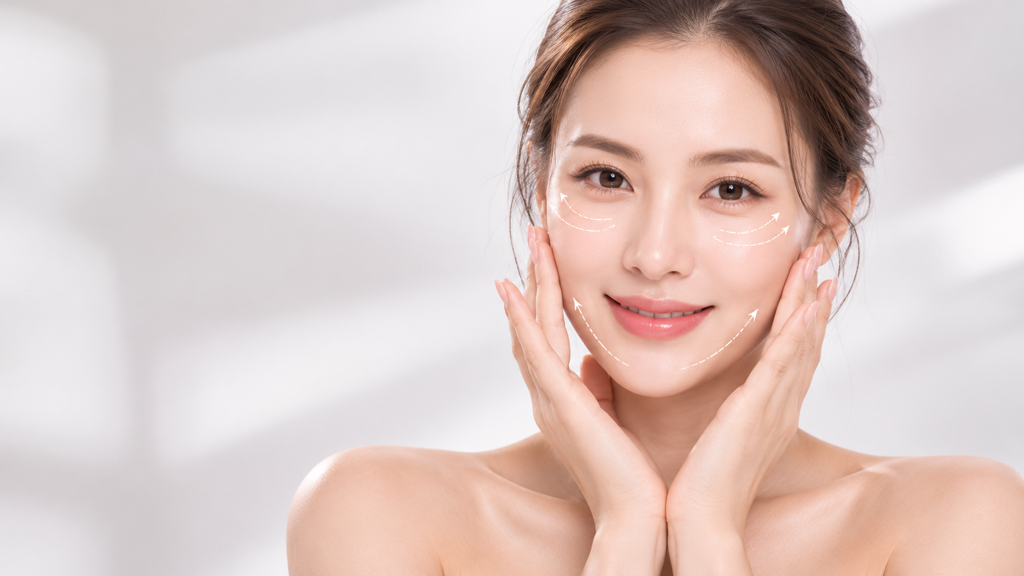
EMFACE facial muscle lifting is a non-invasive treatment that combines synchronized radiofrequency energy with HIFES™ muscle stimulation, so that one session addresses both the skin and the facial muscles beneath it.
Learn More

ELSA Local Lipolysis
ELSA Local Lipolysis is a localized fat-reduction treatment intended to reduce stubborn fat deposits in selected body areas and improve body contours.
Learn More

Pre- & Post-Procedure Skin Care
Pre- and post-procedure skin care is personalized guidance and supportive skin care before and after cosmetic or dermatological treatments.
Learn More