DERMORE Clinic Gangnam, Seoul · Value Beyond Skin · International Patient Support


Body Contouring · Needs Clinic Confirmation
Local Liposuction
Local liposuction is a cosmetic surgical procedure that removes excess fat deposits from specific areas of the body through small incisions and a suction cannula.
Schedule a ConsultationLocal Liposuction in Seoul, Korea

Medically reviewed by Dr. Seung-Gon Jeong, board-certified internal medicine specialist DERMORE Clinic, Gangnam-gu, Seoul
Local liposuction is a cosmetic surgical procedure that removes excess fat deposits from specific areas of the body through small incisions and a suction cannula. At DERMORE Clinic in Gangnam, Seoul, it is the one treatment within Body Contouring that is surgery, and everything else on this page follows from that.
What Is Local Liposuction?
Fat is removed rather than reduced, which is both why the effect is different from non-surgical contouring and why the recovery is.
Small incisions are made and a thin cannula is used to loosen and remove excess fat by suction.
Common treatment areas include the abdomen, waist, hips, thighs, upper arms, back and chin.
It is intended to improve body contours where fat persists despite diet and exercise.
It is a body-contouring procedure rather than a weight-loss treatment.
The contouring effect can be long-lasting when body weight remains stable.
What it does not do is equally defined. Liposuction does not prevent future weight gain, does not guarantee perfect symmetry, and does not reliably correct cellulite or significant loose skin. The final appearance depends on healing, skin elasticity, the amount of fat removed and individual anatomy. Where excess loose skin is the main concern, a skin-removal procedure may be the appropriate operation instead.
Patients travelling for it generally want localized deposits addressed that have not responded to lifestyle change, along with a personalized surgical plan and professional postoperative care.
How This Differs From Non-Surgical Contouring
The U.S. Food and Drug Administration draws the distinction precisely in its guidance on non-invasive body contouring: those procedures do not remove any tissue from the body, which makes them different from a surgical procedure such as liposuction, which uses a narrow vacuum-type device to pull fat out through a small incision.
That is the whole trade. Non-surgical contouring asks nothing of you beyond the appointment and often delivers temporary improvement; the agency advises asking how many treatments are needed and how long effects last. Surgery removes the fat cells from the treated area and asks for weeks of recovery in exchange.
Neither is better in the abstract. The decision belongs to a surgeon who has examined the area, assessed your skin elasticity and health, and can say which is likely to deliver what you are actually asking for.
Who Performs Local Liposuction at DERMORE Clinic
|
|
Dr. Seung-Gon Jeong | Dr. Song-Hee Han |
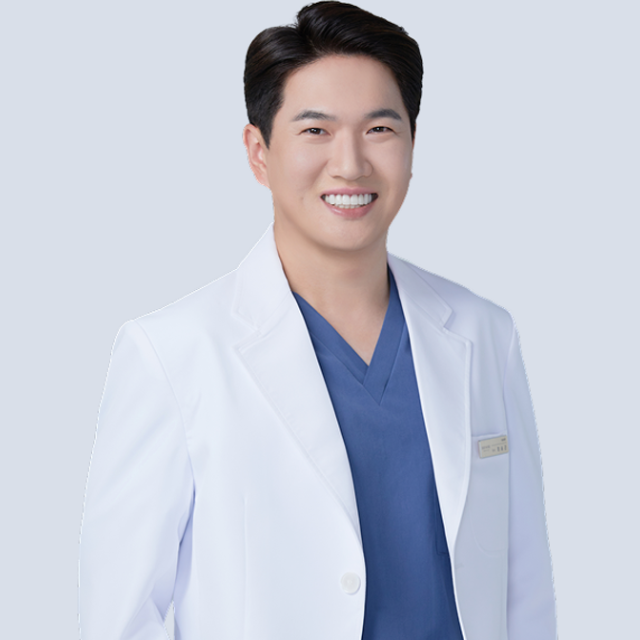
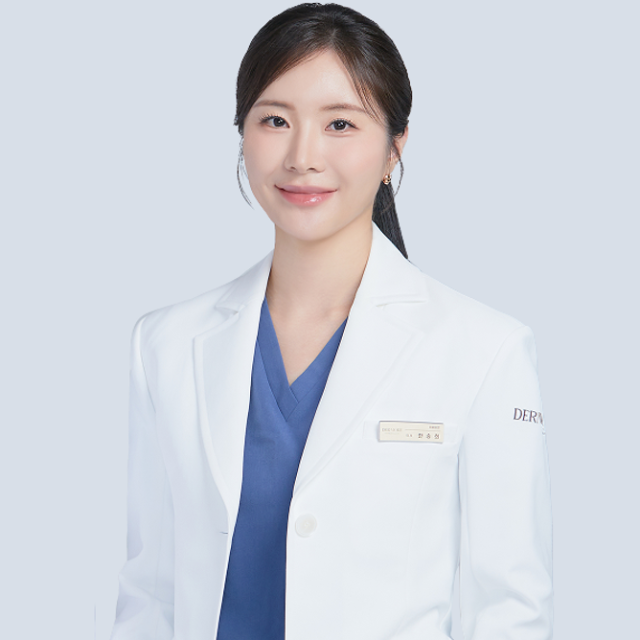
Both of DERMORE Clinic's physicians perform treatments in this category, and both hold a representative director role. This page does not claim that one specific doctor personally performs every session of this service; the treating physician is confirmed when the treatment is scheduled.
Dr. Seung-Gon Jeong leads this area of the clinic's practice and is the named reviewer for this page. Dr. Seung-Gon Jeong is a Representative Director of DERMORE Clinic and a board-certified internal medicine specialist. His stated areas of practice are anti-aging treatments, lifting, volume enhancement, functional medicine, obesity management, body contouring and IV nutrient therapy. He was previously a director at Rienjang Clinic. He is a certified obesity specialist through the Korean Society for the Study of Obesity and a certified nutritional supplement prescription specialist through the Korean Society of Nutritional Supplement Prescription, and he is a member of the Korean Society of Functional Medicine, the Korean Society of Aesthetic Plastic and Laser Medicine, the Korean Filler Society and the Korean Society of Internal Medicine.
Dr. Song-Hee Han also performs treatments in this category. Dr. Song-Hee Han is a Representative Director of DERMORE Clinic and a board-certified dermatologist who holds a Doctor of Medicine degree and a PhD. Her stated areas of specialization are anti-aging treatments, lifting, volume enhancement, pigmentation and sensitive skin care. She was previously a director at Mifamoon Dermatology Clinic, Purin Dermatology Clinic and the Sinsa branch of The Hill Dermatology Clinic. She is a full member of the Korean Dermatological Association and the Korean Clinical Dermatology Treatment Research Association, and a member of the Korean Society for Laser Dermatology and the Korean Society of Dermatologic Anti-Aging Medicine.
Every treatment at DERMORE Clinic begins with a one-on-one consultation with a physician, supported by the Metaview facial skin analysis system, and the treatment plan is then built around the patient's skin condition, medical history, expectations and schedule rather than a fixed menu.
Who Is a Good Candidate for Local Liposuction?
Adults in generally good health with a relatively stable body weight.
Adults with localized fat deposits that do not respond sufficiently to diet and exercise.
Adults with good skin elasticity, which helps the treated area adapt to its new contours.
Adults prepared to follow postoperative instructions and attend follow-up appointments.
The procedure may not be appropriate for individuals with uncontrolled medical conditions, significant anesthesia risks, active infections, or conditions that increase bleeding or blood-clot risk. It may also be unsuitable for people seeking substantial weight loss, treatment for obesity, or correction of significant loose skin without an appropriate surgical plan. Pregnancy and breastfeeding require special consideration, and elective surgery is generally postponed.
Before deciding on suitability, the surgeon evaluates medical history, medications, smoking status, skin quality and overall surgical fitness. That assessment is the point of the consultation, and a surgical consultation that does not include it is not a surgical consultation.
What to Expect: Procedure, Recovery, and Results Timeline
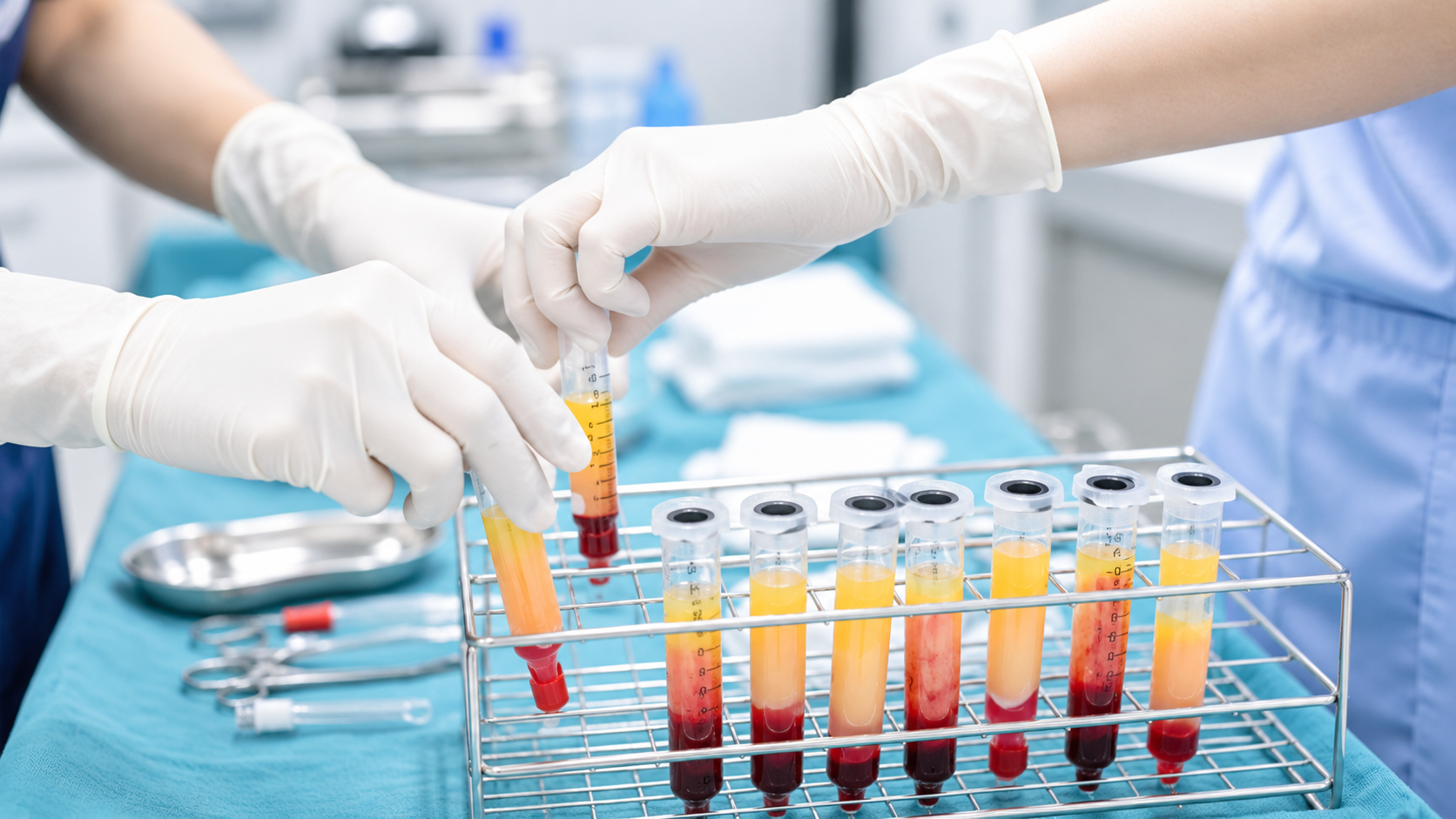
The procedure follows a defined sequence: anesthesia is administered according to the plan; small incisions are made in suitable locations and a tumescent solution may be introduced to reduce bleeding and provide local anesthesia; a thin cannula is inserted to loosen and remove excess fat by suction; the surgeon checks the contours and manages the incision sites; dressings and a compression garment are applied where indicated; and postoperative monitoring, medication instructions, wound-care guidance and a follow-up schedule are given.
The operation commonly takes approximately one to three hours, varying with the number and size of treatment areas and the amount of fat removed. Smaller procedures may be completed as outpatient surgery, while some patients require overnight observation. Anesthesia may be local, sometimes with sedation, or general, depending on the area, the volume removed, the technique and your needs.
Stage | What happens |
|---|---|
Weeks 1–2 | Initial soreness, bruising and swelling are common |
Several days | Many patients gradually resume light daily activities |
Several days to ~2 weeks | Recovery sufficient to return to work, depending on the surgery and the job |
Weeks 3–4 | Gentle exercise may resume when the surgeon approves |
6 weeks or longer | Strenuous exercise and heavy lifting |
2–4 weeks | Early changes in body shape become noticeable as swelling subsides |
6–12 weeks | More meaningful contour changes emerge |
3–6 months | Final results as residual swelling resolves |
Plan to stay in Korea for approximately ten to fourteen days after surgery, to allow for initial recovery, postoperative monitoring and a follow-up assessment before travelling home. Flying home should generally be planned for approximately ten to fourteen days afterwards, once the surgeon has reviewed your recovery and confirmed that air travel is appropriate.
That stay is not padding. Follow-up visits assess healing, the incision sites, swelling and whether continued compression is needed, and they are the reason an international patient should book the trip around the surgery rather than the other way round.
After surgery, temporary soreness, tenderness, swelling and a burning sensation may occur. The surgeon may prescribe pain-relief medication and recommend a compression garment to help manage swelling and support recovery.
The compression garment deserves its own note, because it is the part of the aftercare patients most often abandon early. It is worn to manage swelling and to help the treated area settle into its new contour, which means that wearing it as instructed is doing some of the work the surgery started. The instructions on how long to wear it, and when it can be reduced, come from the surgeon rather than from a general rule, and they are worth writing down before you leave.
Smoking is the other factor worth raising honestly at the consultation. It is assessed as part of surgical fitness because of its effect on healing, and an accurate answer lets the surgeon plan around it rather than discover it afterwards.
Safety, Precision, and Clinic Standards
Common postoperative effects include swelling, bruising, soreness, tenderness, temporary numbness and fluid drainage from the incision sites. Potential complications include infection, bleeding, fluid accumulation, scarring, uneven contours, asymmetry, changes in skin pigmentation or sensation, and delayed wound healing. Less common but serious risks include blood clots, pulmonary complications, anesthesia-related problems and injury to deeper structures.
Certain symptoms require urgent medical attention rather than a call to the clinic in the morning: chest pain, shortness of breath, fainting, severe or worsening pain, or rapidly increasing swelling. Any patient flying home after this procedure should know those symptoms and should know how to reach both the clinic and local emergency care.
Standard equipment includes a sterile suction cannula, a vacuum suction system, surgical instruments, and equipment for administering anesthesia and monitoring the patient. A tumescent solution containing fluid and medication may be used to facilitate fat removal and reduce bleeding, and some techniques use additional ultrasound, laser or power-assisted equipment.
What DERMORE Clinic states about its own standards is this. Consultations and treatments are led by a board-certified dermatologist and a board-certified internal medicine specialist. Treatment planning is personalized through one-on-one consultation to assess individual needs and suitability. The clinic also provides dedicated pre-treatment and post-treatment care, including intensive care programs, and its stated philosophy is "Value Beyond Skin" — care that goes beyond external appearance to support inner confidence and overall health.
DERMORE Clinic occupies approximately 330 m², about 100 pyeong, on the third floor of the Yeonseung Building in Gangnam, and every skin-care treatment room in the clinic is a private room.
DERMORE Clinic is a Registered Medical Institution for Attracting Foreign Patients, registered with the Republic of Korea's Ministry of Health and Welfare under the Medical Overseas Expansion and Foreign Patients Attraction Act. That registration covers the treatment of international patients; it is not a facility accreditation.
Combining Local Liposuction with Other Treatments
This procedure may be combined with selected skin-tightening or body-contouring procedures when appropriate, and a surgeon may recommend a skin-removal procedure where significant loose skin is present. Combining procedures increases operating time, recovery requirements and complication risk, so the decision should rest on your health, the extent of the surgery and the expected benefit of each part.
Body Contouring, where the non-surgical alternatives are set out.
Medical Weight Loss, where overall weight rather than a localized deposit is the concern.
Anti-Aging & Facial Lifting, where skin firmness is part of the plan.
The Bottom Line
Liposuction removes fat cells surgically; non-surgical contouring does not remove tissue at all.
It is a contouring procedure, not weight loss, and it does not correct significant loose skin or cellulite.
The operation takes approximately one to three hours, under local or general anesthesia.
Expect one to two weeks of soreness and bruising, gentle exercise from three to four weeks, strenuous exercise from six.
Plan ten to fourteen days in Korea for recovery, monitoring and a follow-up before flying.
Frequently Asked Questions

Am I a good candidate for local liposuction? Adults in generally good health with a relatively stable body weight and localized fat deposits that do not respond to diet and exercise. Good skin elasticity helps the treated area adapt, and candidates should be prepared to follow postoperative instructions and attend follow-up.
Who is not suitable? Individuals with uncontrolled medical conditions, significant anesthesia risks, active infections, or conditions increasing bleeding or clot risk. It is also unsuitable for substantial weight loss, for obesity treatment, or for correcting significant loose skin without an appropriate surgical plan.
How long does the operation take? Commonly approximately one to three hours, varying with the number and size of areas and the amount of fat removed. Some procedures are outpatient; some patients need overnight observation.
What anesthesia is used? Is it painful? Local anesthesia, sometimes with sedation, or general anesthesia, depending on the area, volume, technique and your needs. Pain is controlled during surgery; afterwards soreness, tenderness, swelling and a burning sensation may last several days, often improving over one to two weeks.
How many days should I stay in Korea? Approximately ten to fourteen days, for initial recovery, postoperative monitoring and a follow-up assessment before travelling home.
When can I exercise again? Gentle exercise may resume around three to four weeks when the surgeon approves. Strenuous exercise and heavy lifting may need six weeks or longer.
When will I see the final result? Early changes appear at two to four weeks, more meaningful contour change over six to twelve weeks, and the final result at approximately three to six months as residual swelling resolves.
Will the fat come back? Fat cells removed during surgery do not grow back in the same way, but remaining fat cells can enlarge with weight gain. Maintaining a stable weight is what preserves the outcome.
Book a Consultation at DERMORE Clinic
If you are considering local liposuction in Gangnam, Seoul, the consultation is a surgical assessment — of your health, your skin and the area itself — and it is also where the ten-to-fourteen-day stay gets built into your plans.
DERMORE Clinic is at 3F, Yeonseung Building, 228 Dosan-daero, Gangnam-gu, Seoul 06048, Republic of Korea. Consultation hours are Monday to Friday from 10:00 to 19:00 KST and Saturday from 10:00 to 16:30 KST, with a weekday lunch break from 13:00 to 14:00 KST. The Wednesday schedule varies by holiday week, and the clinic is closed on Sundays and public holidays.
To book a consultation, contact DERMORE Clinic through its contact page, by phone on +82-2-541-3888, or by email at info@dermoreseoul.com. Consultations for international patients are available in English.
Disclaimer
For general information only. This page does not replace professional medical advice, diagnosis or treatment. Whether any treatment described here is appropriate for you, what it can realistically achieve and what risks it carries are determined in an individual consultation with a qualified medical professional at DERMORE Clinic. Individual results vary with skin condition, medical history, the technology selected and the course of recovery.
Sources & Further Reading
- U.S. Food and Drug Administration — Non-Invasive Body Contouring Technologies: how non-surgical contouring differs from liposuction
Other Treatments
Explore additional dermatology and anti-aging treatments offered at DERMORE Clinic.

EMFACE Facial Muscle Lifting
EMFACE facial muscle lifting is a non-invasive treatment that combines synchronized radiofrequency energy with HIFES™ muscle stimulation, so that one session addresses both the skin and the facial muscles beneath it.
Learn More

ELSA Local Lipolysis
ELSA Local Lipolysis is a localized fat-reduction treatment intended to reduce stubborn fat deposits in selected body areas and improve body contours.
Learn More

Pre- & Post-Procedure Skin Care
Pre- and post-procedure skin care is personalized guidance and supportive skin care before and after cosmetic or dermatological treatments.
Learn More