DERMORE Clinic Gangnam, Seoul · Value Beyond Skin · International Patient Support


Functional Medicine & IV Therapy · Needs Clinic Confirmation
Personalized IV Nutrient Therapy
Personalized IV nutrient therapy involves administering a selected mixture of fluids, vitamins, minerals or other medically appropriate ingredients directly into a vein.
Schedule a ConsultationPersonalized IV Nutrient Therapy in Seoul, Korea

Medically reviewed by Dr. Seung-Gon Jeong, board-certified internal medicine specialist DERMORE Clinic, Gangnam-gu, Seoul
Personalized IV nutrient therapy involves administering a selected mixture of fluids, vitamins, minerals or other medically appropriate ingredients directly into a vein. At DERMORE Clinic in Gangnam, Seoul, it belongs to Functional Medicine & IV Therapy, and the honest version of it starts with who it is actually for.
What Is Personalized IV Nutrient Therapy?
The formulation is prescribed, not chosen from a menu.
The mixture is determined by a qualified medical professional based on your medical history, symptoms, nutritional needs and clinical assessment.
The ingredients and the potential benefits vary by individual and by protocol.
When appropriately prescribed, the treatment delivers fluids and selected nutrients directly into the bloodstream.
It may help correct certain deficiencies or address specific hydration needs where intravenous administration is clinically indicated.
Outcomes depend on your condition, the formulation, the dose and the underlying cause of your symptoms.
The phrase "where intravenous administration is clinically indicated" is doing the real work. Evidence for general wellness benefits in people without nutritional deficiencies is limited, which means the value of this treatment depends almost entirely on whether there is something to correct. For a confirmed deficiency or a genuine hydration need, the intravenous route has a purpose. Without one, it is an expensive way to be well hydrated.
Patients seek it as part of a medically supervised approach to specific nutritional deficiencies, hydration needs or other identified health concerns — and, often, out of interest in general wellness support.
What Regulators Say About Intravenous Preparations
Because what is infused is invisible to the person receiving it, the quality of the preparation is a legitimate question.
The U.S. Food and Drug Administration has reminded compounders to produce sterile drugs only from components suitable for that purpose, noting that ingredients identified as food grade are not suitable for compounding sterile drugs without appropriate processing, because of the high risk of contamination with microbes and endotoxins, which can harm patients. It has received adverse event reports following the use of injectable products made this way, including severe chills, shaking, vomiting and fatigue, with some patients requiring medical treatment.
That guidance addresses compounding practice in the United States and is not a statement about this clinic or Korean regulation. It is here because it names the one risk a patient cannot assess by looking at the bag — and because asking what is in a preparation, and where it came from, is a reasonable thing to do anywhere.
Who Performs Personalized IV Nutrient Therapy at DERMORE Clinic
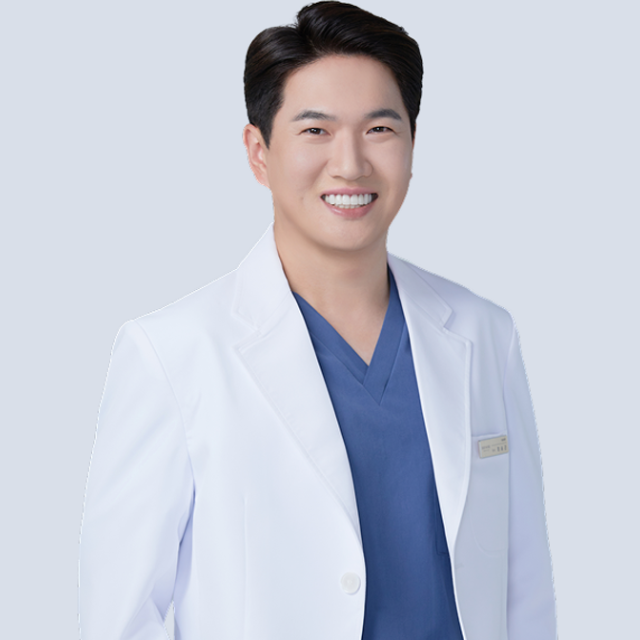
Dr. Seung-Gon Jeong
Board-Certified Internal Medicine Specialist
Dr. Seung-Gon Jeong is the physician responsible for functional medicine and IV therapy at DERMORE Clinic and the named reviewer for this page. This page does not claim that one specific doctor personally performs every session of this service; the treating physician is confirmed when the treatment is scheduled.
Dr. Seung-Gon Jeong is a Representative Director of DERMORE Clinic and a board-certified internal medicine specialist. His stated areas of practice are anti-aging treatments, lifting, volume enhancement, functional medicine, obesity management, body contouring and IV nutrient therapy. He was previously a director at Rienjang Clinic. He is a certified obesity specialist through the Korean Society for the Study of Obesity and a certified nutritional supplement prescription specialist through the Korean Society of Nutritional Supplement Prescription, and he is a member of the Korean Society of Functional Medicine, the Korean Society of Aesthetic Plastic and Laser Medicine, the Korean Filler Society and the Korean Society of Internal Medicine.
The nutrient prescription certification is the credential closest to this service, and the internal medicine specialty is what makes it possible to say when an infusion is not the answer.
Every treatment at DERMORE Clinic begins with a one-on-one consultation with a physician, supported by the Metaview facial skin analysis system, and the treatment plan is then built around the patient's skin condition, medical history, expectations and schedule rather than a fixed menu.
Why the Route Matters Less Than the Indication
Intravenous delivery has one genuine advantage: it bypasses digestion and absorption entirely, which matters when either is impaired or when a correction is needed faster than the gut can deliver it.
That is a narrow advantage, and it is often misread as a general one. For a person whose digestion is working, an oral dose of most nutrients reaches the bloodstream perfectly well; it simply takes longer. The infusion route does not make a nutrient do something it otherwise would not, and it does not increase the benefit of correcting a deficiency that is not there.
So the question that decides whether this treatment helps is not how the nutrient is delivered but whether delivering it is indicated at all. That question is answered by assessment: symptoms, history, and where appropriate a measurement. A clinic that answers it before prescribing an infusion is doing the useful part of the work, and a plan that starts with oral treatment and escalates only if that fails is a reasonable plan rather than a lesser one.
Who Is a Good Candidate for IV Nutrient Therapy?
Adults with a clinically identified nutritional deficiency.
Adults who require intravenous fluids.
Adults with another medical reason for intravenous nutrient administration.
Patients with known allergies to the proposed ingredients, certain kidney or heart conditions, fluid or electrolyte imbalances, or other conditions that increase treatment risk may be unsuitable or may require additional precautions. Pregnancy, breastfeeding and certain medication regimens may also affect eligibility.
Alternatives depend on the objective and are often the better first step. Oral supplements and dietary changes may be appropriate for many nutritional deficiencies; oral fluids may be sufficient for mild dehydration; and clinically significant deficiencies or underlying medical conditions may require targeted investigation and treatment rather than replacement alone. A deficiency that keeps recurring is a question about cause, not a reason for a standing infusion appointment.
What to Expect: Procedure, Recovery, and Results Timeline
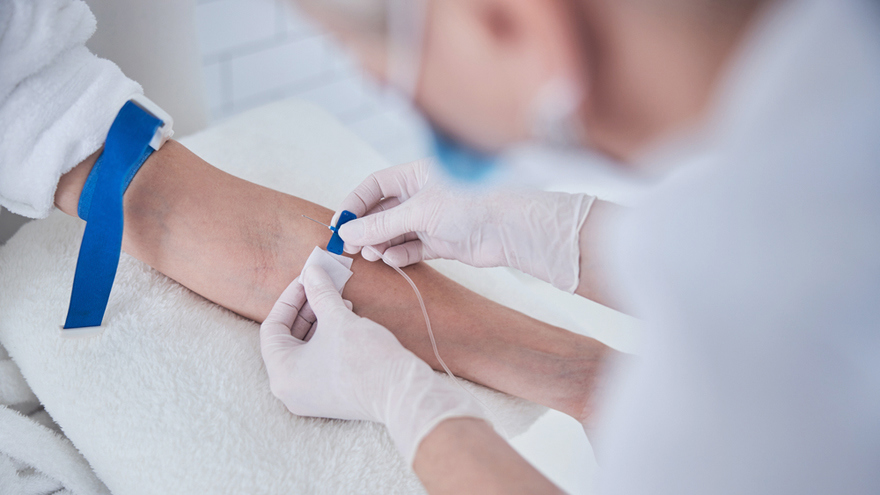
The session is straightforward: suitability is assessed and the formulation prescribed, an IV cannula is placed, the infusion is given with monitoring, and the line is removed with aftercare advice.
A session commonly takes approximately 30 to 90 minutes, though preparation, consultation, monitoring and the infusion rate can extend the total visit. Some patients need only one session; others follow a medically determined plan with follow-up. General anesthesia is not required, and most people feel only brief discomfort or a pinching sensation as the cannula goes in.
Stage | What happens |
|---|---|
Immediately to a few hours | Most patients resume normal daily activities |
A few hours | Temporary dizziness, nausea or fatigue usually improves |
1–3 days | Mild bruising, tenderness or redness at the insertion site may last |
During or shortly after | Hydration-related effects may be noticed where dehydration is present |
Improvement in a confirmed nutritional deficiency depends on the nutrient involved, the severity, the dose and the underlying cause — not on the infusion alone.
For a straightforward treatment, approximately one day in Korea may be sufficient for consultation, infusion and an initial assessment, and many patients can fly home the same day or the following day after an uncomplicated infusion, provided they feel well and the clinician confirms travel is appropriate.
Safety, Precision, and Clinic Standards
Possible side effects include temporary pain, bruising, bleeding or swelling at the insertion site, nausea, dizziness and infusion-related discomfort. More serious risks include infection, inflammation of the vein, allergic reactions, fluid overload, electrolyte disturbances, and complications from excessive doses or inappropriate ingredients.
Fluid overload and electrolyte disturbance are the risks specific to this route, and they are the reason kidney and heart conditions appear on the contraindication list. An infusion is not a neutral act: it changes the volume and the composition of what is circulating, and in a patient whose heart or kidneys manage that poorly, the change is the risk. This is also why "complications from excessive doses or inappropriate ingredients" belongs on the list — more is not better, and a longer ingredient list is not a stronger treatment.
Equipment includes sterile IV infusion equipment — cannulas, infusion lines, fluid bags, and infusion pumps where needed — with nutrient formulations and monitoring varying by the prescribed therapy and the protocol. An infusion pump is used where the rate itself matters clinically, which is another reason the length of an appointment is set by the prescription rather than by the schedule.
What DERMORE Clinic states about its own standards is this. Consultations and treatments are led by a board-certified dermatologist and a board-certified internal medicine specialist. Treatment planning is personalized through one-on-one consultation to assess individual needs and suitability. The clinic also provides dedicated pre-treatment and post-treatment care, including intensive care programs, and its stated philosophy is "Value Beyond Skin" — care that goes beyond external appearance to support inner confidence and overall health.
DERMORE Clinic occupies approximately 330 m², about 100 pyeong, on the third floor of the Yeonseung Building in Gangnam, and every skin-care treatment room in the clinic is a private room.
DERMORE Clinic is a Registered Medical Institution for Attracting Foreign Patients, registered with the Republic of Korea's Ministry of Health and Welfare under the Medical Overseas Expansion and Foreign Patients Attraction Act. That registration covers the treatment of international patients; it is not a facility accreditation.
Combining IV Nutrient Therapy with Other Treatments
The useful pairing here is with assessment rather than with another infusion: establishing whether a deficiency exists, how severe it is and what is causing it makes the treatment either appropriate or unnecessary, and both answers are valuable.
Functional Medicine Testing, where the deficiency is confirmed before it is treated.
Functional Medicine & IV Therapy, where the clinic's related services sit.
Medical Weight Loss, where nutrition is part of a broader plan.
The Bottom Line
The formulation is prescribed from your history, symptoms and assessment rather than selected from a list.
Evidence for general wellness benefits in people without deficiencies is limited.
Oral supplements, dietary change or oral fluids are often the appropriate first step.
A session takes approximately 30 to 90 minutes, usually with same-day recovery.
Fluid overload and electrolyte disturbance are the route-specific risks, which is why heart and kidney conditions matter.
Frequently Asked Questions

Am I a good candidate for IV nutrient therapy? Adults with a clinically identified nutritional deficiency, a need for intravenous fluids, or another medical reason for intravenous nutrient administration, depending on medical assessment.
Who should avoid or postpone treatment? Anyone with known allergies to the proposed ingredients, certain kidney or heart conditions, fluid or electrolyte imbalances, or other conditions that increase risk. Pregnancy, breastfeeding and some medication regimens also affect eligibility.
Is this useful if I do not have a deficiency? Evidence for general wellness benefits in people without nutritional deficiencies is limited. The treatment's value depends on there being something to correct.
Would oral supplements work instead? Often, yes. Oral supplements and dietary changes may be appropriate for many deficiencies, and oral fluids may be sufficient for mild dehydration.
How long does a session take? Commonly approximately 30 to 90 minutes, though consultation, preparation, monitoring and the infusion rate can extend the visit.
Is it painful? Most patients feel only brief discomfort or a pinching sensation when the cannula is inserted. The infusion itself is generally not painful, though mild discomfort, bruising or tenderness may occur at the site.
How many days should I stay in Korea? Approximately one day for a straightforward treatment, with flying home the same or following day usually possible after an uncomplicated infusion.
When will I notice a change? Hydration-related effects may be noticed during or shortly after treatment where dehydration is present. Improvement in a confirmed deficiency depends on the nutrient, the severity, the dose and the underlying cause.
Book a Consultation at DERMORE Clinic
If you are considering IV nutrient therapy in Gangnam, Seoul, the consultation establishes whether there is a deficiency to correct — which decides whether this treatment has anything to offer you.
DERMORE Clinic is at 3F, Yeonseung Building, 228 Dosan-daero, Gangnam-gu, Seoul 06048, Republic of Korea. Consultation hours are Monday to Friday from 10:00 to 19:00 KST and Saturday from 10:00 to 16:30 KST, with a weekday lunch break from 13:00 to 14:00 KST. The Wednesday schedule varies by holiday week, and the clinic is closed on Sundays and public holidays.
To book a consultation, contact DERMORE Clinic through its contact page, by phone on +82-2-541-3888, or by email at info@dermoreseoul.com. Consultations for international patients are available in English.
Disclaimer
For general information only. This page does not replace professional medical advice, diagnosis or treatment. Whether any treatment described here is appropriate for you, what it can realistically achieve and what risks it carries are determined in an individual consultation with a qualified medical professional at DERMORE Clinic. Individual results vary with skin condition, medical history, the technology selected and the course of recovery.
Sources & Further Reading
- U.S. Food and Drug Administration — FDA reminds compounders to use ingredients suitable for sterile compounding
Other Treatments
Explore additional dermatology and anti-aging treatments offered at DERMORE Clinic.

EMFACE Facial Muscle Lifting
EMFACE facial muscle lifting is a non-invasive treatment that combines synchronized radiofrequency energy with HIFES™ muscle stimulation, so that one session addresses both the skin and the facial muscles beneath it.
Learn More

ELSA Local Lipolysis
ELSA Local Lipolysis is a localized fat-reduction treatment intended to reduce stubborn fat deposits in selected body areas and improve body contours.
Learn More

Pre- & Post-Procedure Skin Care
Pre- and post-procedure skin care is personalized guidance and supportive skin care before and after cosmetic or dermatological treatments.
Learn More