DERMORE Clinic Gangnam, Seoul · Value Beyond Skin · International Patient Support


Specialty Overview
Skin Boosters
Skin boosters are injectable treatments designed to improve overall skin quality, delivered as multiple fine injections into the skin rather than as a single placement under it.
Schedule a ConsultationSkin Booster Injections in Seoul, Korea

Medically reviewed by Dr. Song-Hee Han, board-certified dermatologist, MD, PhD DERMORE Clinic, Gangnam-gu, Seoul
A skin booster in Korea is an injectable treatment aimed at improving overall skin quality — hydration, texture, fine lines, elasticity and radiance — rather than at adding facial volume. At DERMORE Clinic in Gangnam, Seoul, that distinction is the whole point of the category: a skin booster is chosen when the complaint is about the condition of the skin itself, not about its shape.
What Is Skin Boosters?
Skin boosters are injectable treatments designed to improve overall skin quality, delivered as multiple fine injections into the skin rather than as a single placement under it.
The target is the skin, not the contour. These treatments aim at hydration, texture, fine lines, elasticity and radiance.
The treatment options at DERMORE Clinic are Rejuran Skin Healer, collagen skin boosters, hydrating skin boosters and skin Botox, also called dermotoxin.
The products associated with these options may include REJURAN, GOURI, JUVE LOOK, BELOTERO REVIVE, Re2O and dermotoxin. The specific product used for any individual treatment requires confirmation with the clinic, and this page does not state which product you will receive.
Treatment selection is based on individual skin concerns, and results may vary.
They may be considered for the face, the neck and other suitable areas, and some can be combined with other aesthetic procedures when clinically appropriate.
The mechanism is worth stating because it explains the schedule. A skin booster is not placed once and left to hold a shape; it is distributed through the skin in many small deposits, and the change it produces is the skin's own response to that distribution. This is why a single session is often only part of a plan, why the result is described in weeks rather than on the day, and why the question "how many sessions" has no answer that can be given before your skin has been examined.
The honest framing for this category is the one the clinic's own approved wording uses: skin boosters may be described as injectable treatments intended to improve skin quality, hydration and texture, claims should reflect the selected product and the evidence available for it, results vary by individual, and no specific outcome should be guaranteed.
Who Performs Skin Boosters at DERMORE Clinic
|
|
Dr. Song-Hee Han, D.M., PhD | Dr. Seung-Gon Jeong |
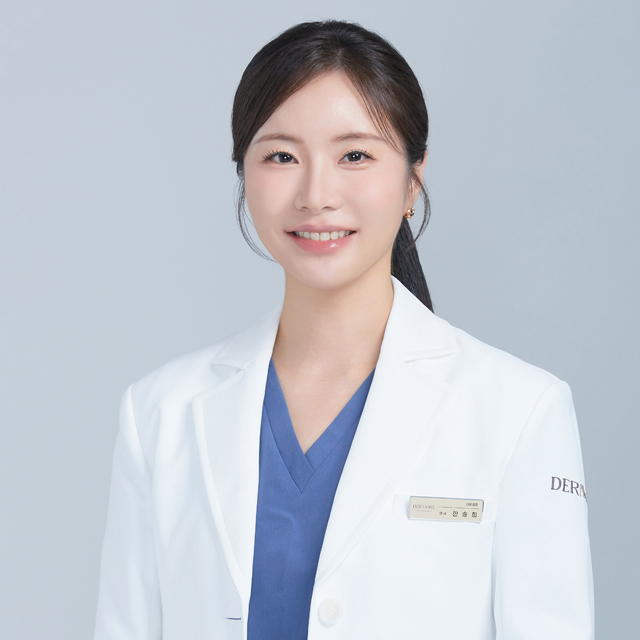
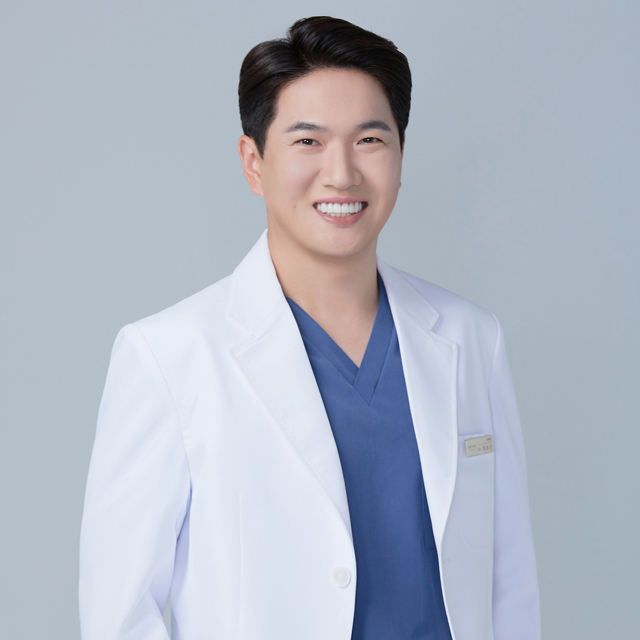
Both of DERMORE Clinic's physicians perform skin booster treatments, and both hold a representative director role.
Dr. Song-Hee Han leads this area of the clinic's practice and is the named reviewer for this page. Dr. Song-Hee Han is a Representative Director of DERMORE Clinic and a board-certified dermatologist who holds a Doctor of Medicine degree and a PhD. Her stated areas of specialization are anti-aging treatments, lifting, volume enhancement, pigmentation and sensitive skin care. She was previously a director at Mifamoon Dermatology Clinic, Purin Dermatology Clinic and the Sinsa branch of The Hill Dermatology Clinic. She is a full member of the Korean Dermatological Association and the Korean Clinical Dermatology Treatment Research Association, and a member of the Korean Society for Laser Dermatology and the Korean Society of Dermatologic Anti-Aging Medicine. Sensitive skin care is the part of that profile most relevant here, because skin-quality work is frequently requested by patients whose skin does not tolerate aggressive treatment.
Dr. Seung-Gon Jeong also performs treatments in this category. Dr. Seung-Gon Jeong is a Representative Director of DERMORE Clinic and a board-certified internal medicine specialist. His stated areas of practice are anti-aging treatments, lifting, volume enhancement, functional medicine, obesity management, body contouring and IV nutrient therapy. He was previously a director at Rienjang Clinic. He is a certified obesity specialist through the Korean Society for the Study of Obesity and a certified nutritional supplement prescription specialist through the Korean Society of Nutritional Supplement Prescription, and he is a member of the Korean Society of Functional Medicine, the Korean Society of Aesthetic Plastic and Laser Medicine, the Korean Filler Society and the Korean Society of Internal Medicine.
Skin Booster Options Available
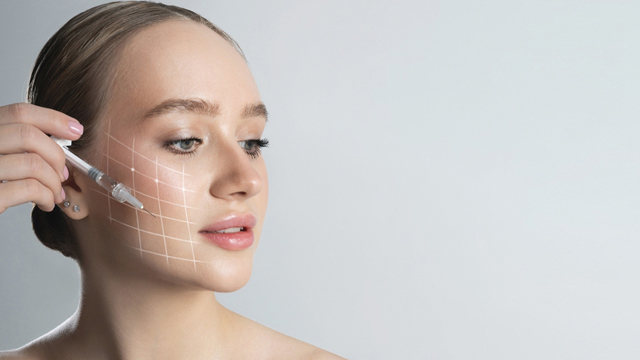
DERMORE Clinic groups this category into four treatment options, and they answer different complaints.
Option | Aimed at |
|---|---|
Skin quality and regeneration | |
Firmness and skin structure | |
Hydration and radiance | |
Fine surface texture and pore appearance |
Which option suits you is decided at the consultation, and the decision rests on your primary skin concern rather than on the popularity of a product name. The clinic states that the specific products used for individual treatments require confirmation, so the product is a question to ask directly at that appointment — a reasonable one, and one a clinic should answer plainly.
There are alternatives outside the category, and they are worth weighing. Topical skincare may help maintain hydration and support the skin barrier. Laser or energy-based treatments may target specific texture or pigmentation concerns more directly. Dermal fillers are generally used to restore or add volume rather than to improve overall skin quality, which makes them the wrong tool for this complaint even though they are injected in the same room. The most appropriate option depends on your primary concern, your skin condition and the outcome you want.
Every treatment at DERMORE Clinic begins with a one-on-one consultation with a physician, supported by the Metaview facial skin analysis system, and the treatment plan is then built around the patient's skin condition, medical history, expectations and schedule rather than a fixed menu.
Patients travelling from the United States usually come to this category for minimally invasive improvement in hydration, texture, fine lines and dullness. They also arrive with a predictable set of questions, and the clinic hears them often enough to name them: what the treatment costs, whether consultations are available in English, whether the doctors are board-certified specialists, how much downtime to expect before a flight home, and what aftercare support exists once they have returned. Requirements for an international pre-consultation — photographs, documents, response times and language support — are confirmed directly with the clinic, and are worth settling before you book travel rather than after.
Who Is a Good Candidate for Skin Boosters?
Adults with dull, dry, thin or crepey skin.
Adults with fine lines or uneven texture.
Patients who want to improve skin quality rather than add facial volume.
A physician determines suitability following an individual assessment. Treatment may be unsuitable or require postponement for:
People who are pregnant or breastfeeding.
People with an active infection or inflammation in the treatment area.
People with allergies to the product's ingredients.
People with certain bleeding disorders or autoimmune conditions.
Patients who have recently had aggressive cosmetic procedures, where treatment timing may need to change.
What to Expect: Procedure, Recovery, and Results Timeline
A session follows the same sequence, with variations depending on the product selected and the individual plan.
Consultation and skin assessment.
Photographs are taken and the treatment area is cleansed.
Topical numbing cream is applied if needed.
The physician administers multiple fine injections into the skin, depending on the selected treatment.
Soothing care and aftercare instructions are provided.
A session typically takes 30 to 60 minutes, and multiple sessions may be needed depending on the product and the treatment plan. Injections may cause mild to moderate discomfort, such as stinging or pinching. Topical numbing cream may be applied to improve comfort, some injectable products contain lidocaine, and the level of discomfort varies with the product, the injection technique and individual sensitivity.
Stage | What happens |
|---|---|
Day 0–1 | Mild redness and small bumps may occur |
Days 2–3 | Those usually fade; mild bruising may persist |
2–4 weeks | Initial skin-quality changes may appear |
4–8 weeks | Further improvement may develop |
Beyond | Longevity varies by product |
For international patients, a single session may require only one to three days in Korea, and flying may be possible on the same day or within one to three days depending on recovery and the physician's advice. Where a plan calls for multiple sessions, the length of stay follows the plan rather than the procedure.
Preparation is more detailed than the treatment time suggests. Tell the physician about your medications, supplements, allergies, implants, existing skin conditions and previous cosmetic procedures. In the week before treatment, any change involving blood thinners, supplements or retinoids should follow the physician's advice, and prescribed medication is never stopped without it. Avoid alcohol and strenuous exercise for 24 hours beforehand if advised, avoid harsh exfoliants or irritating skincare if recommended, and arrive with clean, makeup-free skin if instructed. International patients should prepare a medication list and recent photographs and confirm appointment details in advance.
Afterwards, avoid unnecessary pressure or massage on the treated area. Strenuous exercise, excessive heat exposure and alcohol should be avoided for the period your physician advises. A cold compress may be used if recommended. Follow the prescribed skincare instructions, and confirm follow-up arrangements and remote support before you are treated rather than after.
Safety, Precision, and Clinic Standards
Common side effects may include redness, swelling, small bumps at the injection sites, bruising and tenderness. Less common complications may include nodules, infection and allergic reactions. Rare complications can include vascular events or granulomas. Contact your physician if you experience severe pain, spreading redness, fever or persistent lumps.
Two things are worth knowing about the published evidence for this category, because they bear on how confidently anyone should speak about it. A systematic review of polynucleotides in aesthetic medicine, published in the Journal of Cosmetic Dermatology, included nine studies of low and moderate quality describing 219 patients, reported that side effects are generally mild and transient, and concluded that rigorous, high-quality studies are essential to validate effectiveness and safety. That is a fair description of where the category stands: promising and generally well tolerated, with a literature that is still small.
Infection is the complication that justifies the attention paid to technique. A case report in the same journal describes bilateral gram-negative facial abscesses in a previously healthy 57-year-old woman after facial polynucleotide injections, in which the early appearance resembled expected post-injection swelling before worsening pain and confirmed collections prompted drainage, and six-month follow-up showed residual atrophic scarring. Its authors found no prior published case of culture-confirmed gram-negative abscess after this treatment, which makes it rare rather than typical. It is included here for one practical reason: post-injection swelling that worsens rather than settles is not something to wait out, and that is true of any injectable treatment, at any clinic, in any country.
What DERMORE Clinic states about its own process is this. Consultations and treatments are led by a board-certified dermatologist and a board-certified internal medicine specialist. The consultation begins with a one-to-one customized assessment by a physician, a skin diagnostic device may be used to evaluate skin condition, and the physician reviews skin concerns, medical history, medications, treatment goals and suitability before recommending a personalized plan. The clinic also provides dedicated pre-treatment and post-treatment care, including intensive care programs, and its stated philosophy is "Value Beyond Skin" — care that goes beyond external appearance to support inner confidence and overall health.
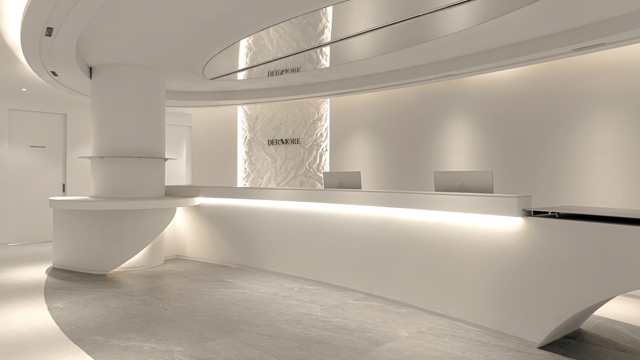
DERMORE Clinic occupies approximately 330 m², about 100 pyeong, on the third floor of the Yeonseung Building in Gangnam, and every skin-care treatment room in the clinic is a private room.
DERMORE Clinic is a Registered Medical Institution for Attracting Foreign Patients, registered with the Republic of Korea's Ministry of Health and Welfare under the Medical Overseas Expansion and Foreign Patients Attraction Act. That registration covers the treatment of international patients; it is not a facility accreditation.
Combining Skin Boosters with Other Treatments
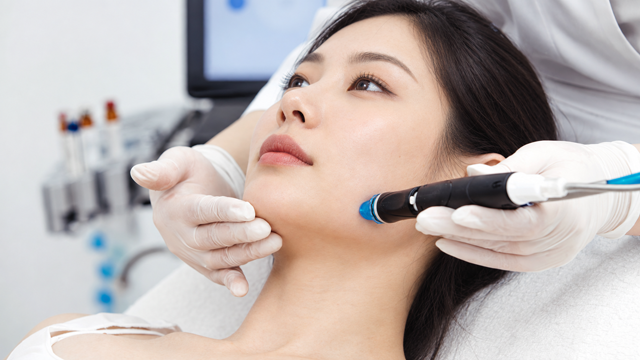
Skin boosters may be combined with lifting devices, botulinum toxin treatments, dermal fillers or laser procedures when clinically appropriate. The relevant DERMORE Clinic categories are:
Anti-Aging & Facial Lifting, for firmness that a skin-quality treatment does not address.
Botox & Dermal Fillers, for expression lines or volume alongside skin quality.
Laser & Light-Based Treatments, for pigmentation or vascular concerns.
The physician determines the treatment sequence and the intervals between procedures. Some combinations are unsuitable when the skin is inflamed or infected, and the safety and suitability of each combination is assessed individually rather than packaged in advance.
The Bottom Line
Skin boosters target skin quality — hydration, texture, fine lines, elasticity and radiance — not facial volume.
Four options are offered, and which one suits you follows from your primary skin concern.
The specific product used for a given treatment requires confirmation with the clinic; ask at consultation.
Initial changes may appear within two to four weeks, with further improvement over four to eight weeks, and multiple sessions may be recommended.
Published evidence for this category is still small and of low-to-moderate quality, which is a reason for realistic expectations rather than for avoidance.
Frequently Asked Questions
Am I a good candidate for skin boosters? Adults with dull, dry, thin or crepey skin, fine lines or uneven texture who want to improve skin quality rather than add facial volume may be suitable. A physician determines suitability after an individual assessment of your skin and medical history.
Who should avoid or postpone treatment? Treatment may be unsuitable or need postponing for people who are pregnant or breastfeeding, who have an active infection or inflammation in the treatment area, who have allergies to the product's ingredients, or who have certain bleeding disorders or autoimmune conditions. Recent aggressive cosmetic procedures may also affect timing.
How long does a session take? Typically 30 to 60 minutes. Multiple sessions may be needed, depending on the product and the treatment plan agreed at consultation.
Is it painful? Injections may cause mild to moderate discomfort, such as stinging or pinching. Topical numbing cream may be applied to improve comfort, and some products contain lidocaine. How much you feel depends on the product, the injection technique and your own sensitivity.
How many days should I stay in Korea? A single session may require only one to three days, and flying may be possible on the same day or within one to three days depending on your recovery and your physician's advice. A multi-session plan sets its own schedule.
When will I see a result? Initial skin-quality changes may appear within two to four weeks, with further improvement over four to eight weeks. Some patients notice hydration and radiance changes within a few days, while texture and elasticity changes take longer. Longevity varies by product.
What are the common side effects? Redness, swelling, small bumps at the injection points, bruising and tenderness. These are usually short-lived, with redness and bumps often fading by days two to three.
When should I contact the clinic rather than wait? If you have severe pain, spreading redness, fever or persistent lumps. Swelling that worsens instead of settling after an injectable treatment is a reason to be seen, not a reason to wait and see.
Book a Consultation at DERMORE Clinic
If you are considering skin booster injections in Gangnam, Seoul, the consultation is where your primary skin concern is matched to an option — and where you should ask which product will be used.
DERMORE Clinic is at 3F, Yeonseung Building, 228 Dosan-daero, Gangnam-gu, Seoul 06048, Republic of Korea. Consultation hours are Monday to Friday from 10:00 to 19:00 KST and Saturday from 10:00 to 16:30 KST, with a weekday lunch break from 13:00 to 14:00 KST. The Wednesday schedule varies by holiday week, and the clinic is closed on Sundays and public holidays.
To book a consultation, contact DERMORE Clinic through its contact page, by phone on +82-2-541-3888, or by email at info@dermoreseoul.com. Consultations for international patients are available in English.
Disclaimer
For general information only. This page does not replace professional medical advice, diagnosis or treatment. Whether any treatment described here is appropriate for you, what it can realistically achieve and what risks it carries are determined in an individual consultation with a qualified medical professional at DERMORE Clinic. Individual results vary with skin condition, medical history, the technology selected and the course of recovery.
Sources & Further Reading
Journal of Cosmetic Dermatology — The Effectiveness of Polynucleotides in Esthetic Medicine: A Systematic Review
Journal of Cosmetic Dermatology — Bilateral Gram-Negative Facial Abscesses After Polynucleotide Injections
Related Procedures & Treatments
Explore dermatology and anti-aging services available at DERMORE Clinic.
EMFACE Facial Muscle Lifting
EMFACE facial muscle lifting is a non-invasive treatment that combines synchronized radiofrequency energy with HIFES™ muscle stimulation, so that one session addresses both the skin and the facial muscles beneath it.
Learn More

ELSA Local Lipolysis
ELSA Local Lipolysis is a localized fat-reduction treatment intended to reduce stubborn fat deposits in selected body areas and improve body contours.
Learn More

Pre- & Post-Procedure Skin Care
Pre- and post-procedure skin care is personalized guidance and supportive skin care before and after cosmetic or dermatological treatments.
Learn More