DERMORE Clinic Gangnam, Seoul · Value Beyond Skin · International Patient Support

Specialty Overview
Laser & Light-Based Treatments
Laser skin treatment in Korea covers a group of procedures that use selected wavelengths or energy settings to address particular skin concerns.
Schedule a ConsultationLaser and Light-Based Skin Treatment in Gangnam, Seoul

Medically reviewed by Dr. Song-Hee Han, board-certified dermatologist, MD, PhD DERMORE Clinic, Gangnam-gu, Seoul
Laser skin treatment in Korea covers a group of procedures that use selected wavelengths or energy settings to address particular skin concerns. Depending on the device, they may target pigmentation, visible blood vessels, acne-related concerns, scars, uneven texture or the signs of photoaging. At DERMORE Clinic in Gangnam, Seoul, the device is chosen after a diagnosis, not before one — because in this category the wrong wavelength on the right complaint is not merely ineffective, it is a risk.
What Is Laser & Light-Based Treatments?
A laser or light-based treatment delivers energy at a wavelength chosen to be absorbed by a particular target in the skin — pigment, blood, water or hair — while sparing the surrounding tissue as far as the settings allow.
The target decides the wavelength. Pigmentation, redness, vascular lesions, texture and hair are different targets, and a device that handles one well may be unsuitable for another.
Skin tone changes the calculation. Darker skin tones can have an increased risk of burns or post-treatment dark marks with certain lasers, so device selection and settings require particular care.
Multiple sessions are common. Some treatments require one session, while others involve several appointments spaced weeks apart.
The outcome depends on more than the machine. Risk and result both depend on the device, the settings, the skin type, sun exposure and the operator's experience.
Claims should be narrow. The clinic's own guidance is explicit: approval depends on the exact device and its intended use in each country, not every laser is approved for every skin condition, and guarantees of permanent results, complete scar removal, skin whitening or the reversal of ageing should be avoided.
That last point is the most useful thing a prospective patient can take from this page. A clinic that promises permanence in this category is promising something the technology does not deliver.
The reasons people seek these treatments are consistent: dark spots, uneven skin tone, visible blood vessels, acne, enlarged pores, uneven texture or acne scars. Those are treatment goals rather than verified trends among patients from any particular country, and they are worth writing down before a consultation, because the single most common cause of disappointment in this category is a patient and a clinician who were quietly solving different problems. Patients travelling from the United States also tend to arrive with a related set of concerns — about treatment safety and the authenticity of the equipment, about how much downtime to expect before a flight home, and about how follow-up works once they have left Korea. All three are reasonable to raise directly, and all three have concrete answers that depend on which device is selected.
Who Performs Laser & Light-Based Treatments at DERMORE Clinic
|
|
Dr. Song-Hee Han, D.M., PhD | Dr. Seung-Gon Jeong |
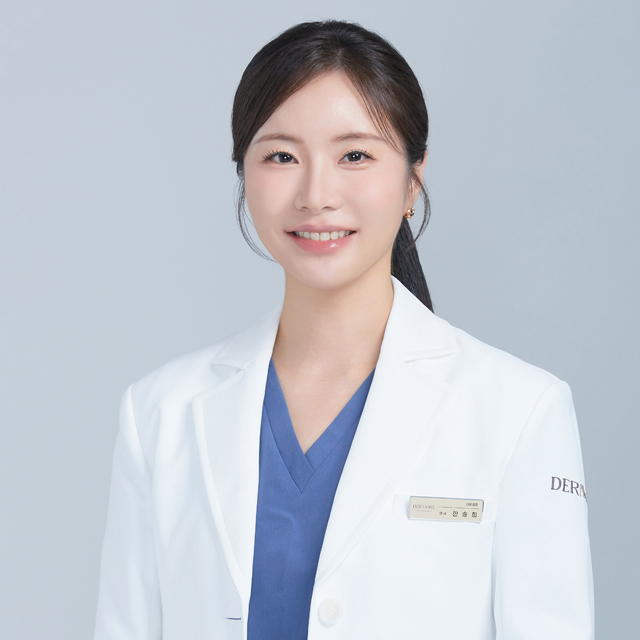
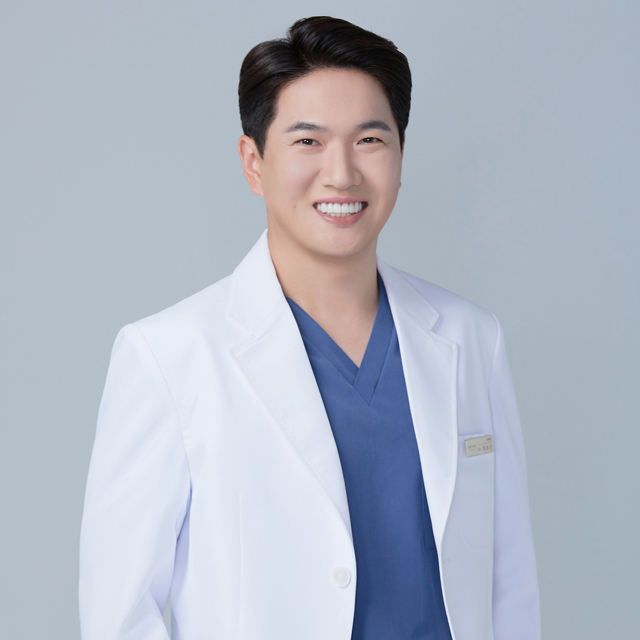
Both of DERMORE Clinic's physicians work in this category, and both hold a representative director role.
Dr. Song-Hee Han leads this area of the clinic's practice and is the named reviewer for this page. Dr. Song-Hee Han is a Representative Director of DERMORE Clinic and a board-certified dermatologist who holds a Doctor of Medicine degree and a PhD. Her stated areas of specialization are anti-aging treatments, lifting, volume enhancement, pigmentation and sensitive skin care. She was previously a director at Mifamoon Dermatology Clinic, Purin Dermatology Clinic and the Sinsa branch of The Hill Dermatology Clinic. She is a full member of the Korean Dermatological Association and the Korean Clinical Dermatology Treatment Research Association, and a member of the Korean Society for Laser Dermatology and the Korean Society of Dermatologic Anti-Aging Medicine. Two items in that list bear directly on this page: pigmentation as a declared specialization, and membership of the Korean Society for Laser Dermatology.
Dr. Seung-Gon Jeong also works in this category. Dr. Seung-Gon Jeong is a Representative Director of DERMORE Clinic and a board-certified internal medicine specialist. His stated areas of practice are anti-aging treatments, lifting, volume enhancement, functional medicine, obesity management, body contouring and IV nutrient therapy. He was previously a director at Rienjang Clinic. He is a certified obesity specialist through the Korean Society for the Study of Obesity and a certified nutritional supplement prescription specialist through the Korean Society of Nutritional Supplement Prescription, and he is a member of the Korean Society of Functional Medicine, the Korean Society of Aesthetic Plastic and Laser Medicine, the Korean Filler Society and the Korean Society of Internal Medicine.
Laser & Light-Based Treatment Options Available
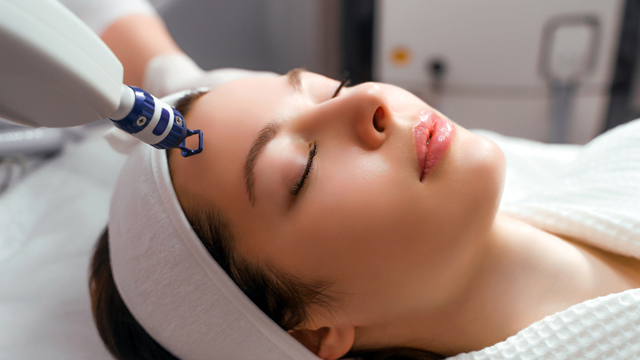
DERMORE Clinic offers five treatments in this category, and they are grouped by what they are aimed at rather than by brand.
Service | Aimed at |
|---|---|
Pigmentation and uneven tone | |
Overall tone, redness and photoaging | |
Visible blood vessels and redness | |
Benign lesions | |
Unwanted hair |
The clinic's laser and light systems are Stellar M22, GentleMax, StarWalker and Excel V, and the range exists for a specific reason: having devices with different mechanisms lets the clinician choose the right technology for a patient rather than apply a single approach to every complaint.
Alternatives belong in the same conversation, because a laser is not always the best answer to a skin diagnosis. Depending on what is found, topical skincare, prescription medicines, chemical peels, microneedling or other dermatologist-selected treatments may suit better. The appropriate option depends on the diagnosis, skin tone, severity, the result you want, the cost and how much downtime you can tolerate.
Every treatment at DERMORE Clinic begins with a one-on-one consultation with a physician, supported by the Metaview facial skin analysis system, and the treatment plan is then built around the patient's skin condition, medical history, expectations and schedule rather than a fixed menu.
Who Is a Good Candidate for Laser & Light-Based Treatments?
People with a diagnosed skin concern that is suitable for a particular laser or light-based device.
Patients whose skin tone, medical history, current medications, recent sun exposure and risk of pigmentation change or scarring have all been assessed.
Treatment may need to be postponed, or may call for a different approach, in the case of:
Active infection, significant irritation, sunburn or recent tanning.
Certain medical conditions, medications and photosensitivity disorders.
A history of abnormal scarring, which may require additional assessment or an alternative treatment.
Darker skin tones, where device selection and settings require particular care because of the increased risk of burns or post-treatment dark marks.
What to Expect: Procedure, Recovery, and Results Timeline
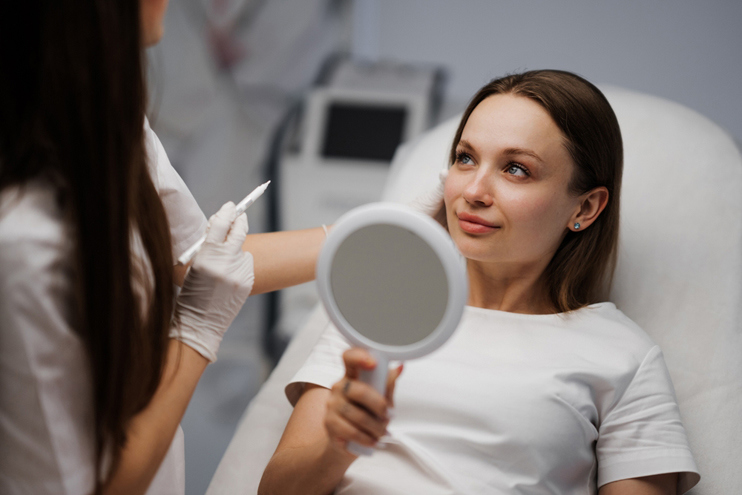
A session follows six steps.
Skin assessment and treatment planning.
Cleansing and preparation of the treatment area.
Protective eyewear is provided.
The selected laser or light device is applied to the target area.
Cooling or other comfort measures are used when appropriate.
Aftercare instructions and follow-up recommendations are given.
A session may take approximately 15 to 60 minutes as a broad planning estimate, depending on the device and the area. Consultation, preparation and aftercare add to the total visit time. Sensations vary by treatment — warmth, tingling, snapping or mild stinging are typical, more intensive procedures may be more uncomfortable, and cooling or other comfort measures help. Topical anesthetic may be used for selected treatments, especially more intensive resurfacing.
Stage | What happens |
|---|---|
Day 0 | Redness, warmth or mild swelling may occur |
Days 1–3 | Mild effects may begin to settle after less intensive treatments |
Days 4–7 | Dryness, peeling or crusting may occur after some resurfacing procedures |
Weeks 1–3 | Recovery may continue after more intensive treatments |
4–12 weeks | Final results may be assessed for many non-ablative procedures |
Months | Collagen-related improvement and results from more intensive treatments may continue developing |
For international patients, one to three days may be a preliminary planning estimate for a straightforward, non-invasive treatment, and flying may be possible the same day or within one to two days after a mild non-ablative treatment if you feel well and the clinician agrees. More intensive or ablative treatments require a longer stay for recovery and follow-up, and that difference should be settled before you book flights rather than after.
Preparation starts one to two weeks ahead. Tell the clinician about medications, supplements, allergies, skin conditions, cold sores and previous procedures. Follow the instructions you are given about sun protection and avoiding tanning, and ask whether retinoids, exfoliants or other skincare products should be paused. Avoid waxing or other procedures in the treatment area if instructed, and never have a laser applied over actively infected or irritated skin.
Afterwards, follow the instructions for gentle cleansing, moisturization and sun protection. Avoid tanning, excessive sun exposure, picking or scrubbing the treated skin, and irritating skincare while healing. Saunas, intense exercise, makeup and additional procedures may need to be postponed depending on the treatment you had.
Safety, Precision, and Clinic Standards
Temporary redness, swelling, warmth, tenderness and irritation are possible. Other risks include burns, blistering, infection, changes in skin pigmentation, scarring and the worsening of certain skin conditions. Depending on the treatment, pigmentation may temporarily darken, and peeling or crusting may occur.
The distinction between ablative and non-ablative treatment is the one that most affects that risk profile. A review published in the Journal of Cosmetic Dermatology notes that ablative fractional lasers carry a higher risk of adverse events such as scarring and post-inflammatory hyperpigmentation — particularly in patients with darker skin types — than non-ablative fractional lasers do, and reports that the expected skin reactions to the non-ablative system it reviewed, including redness, swelling and crusting, were mild to moderate and self-limited. That is why "which laser" and "how deep" are clinical questions rather than preferences.
Pigmentation treatment deserves its own caution, because it is the service most often requested and the one where expectations most often outrun the evidence. A systematic review of low-fluence Q-switched Nd:YAG laser treatment for melasma, published in Medicina, examined 42 articles and found the treatment generally effective and safe relative to previous conventional therapies, while recording that mottled hypopigmentation has occasionally been reported to develop and persist, possibly in association with high accumulated laser energy, and that used aggressively the same laser can induce hyperpigmentation through unwanted inflammation, especially in darker skin. The review also notes a lack of long-term follow-up data. Melasma is a chronic condition rather than a one-session problem, and a clinic that describes it as curable is not describing melasma.
What DERMORE Clinic states about its own process is this. Consultations and treatments are led by a board-certified dermatologist and a board-certified internal medicine specialist. The clinician reviews your concerns, medical history, medications, skincare routine and previous procedures, examines the skin, establishes the diagnosis and treatment goals, and then selects the device and settings — with the expected benefits, risks, alternatives, downtime and likely number of sessions discussed before consent. The clinic also provides dedicated pre-treatment and post-treatment care, including intensive care programs, and its stated philosophy is "Value Beyond Skin" — care that goes beyond external appearance to support inner confidence and overall health.
DERMORE Clinic occupies approximately 330 m², about 100 pyeong, on the third floor of the Yeonseung Building in Gangnam, and every skin-care treatment room in the clinic is a private room.
DERMORE Clinic is a Registered Medical Institution for Attracting Foreign Patients, registered with the Republic of Korea's Ministry of Health and Welfare under the Medical Overseas Expansion and Foreign Patients Attraction Act. That registration covers the treatment of international patients; it is not a facility accreditation.
Combining Laser & Light-Based Treatments with Other Treatments
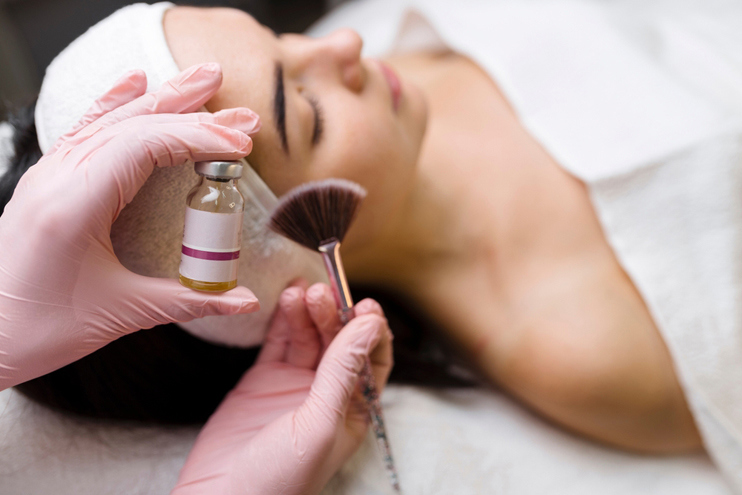
Depending on the skin concern, a clinician may combine or sequence laser treatment with topical skincare, prescription treatment, chemical peels or other procedures. The relevant DERMORE Clinic categories are:
Acne, Scar & Pore Care, where laser work is frequently part of a longer plan.
Skin Boosters, for skin quality alongside tone and texture.
Medical Spa & Aesthetic Facials, for supported recovery and maintenance between sessions.
Combinations are selected carefully, because some treatments increase the risk of irritation, pigmentation change or scarring when performed too close together. Spacing is part of the prescription, not an administrative detail. For a patient on a short trip this is the hardest constraint to accept, because the temptation is to compress a plan into the days available. The safer version is usually the opposite: do the treatment that suits the time you have, and keep the rest for a later visit or for a clinician at home, rather than stacking procedures on skin that has not finished recovering from the previous one.
The Bottom Line
The wavelength follows the diagnosis: pigmentation, redness, texture, lesions and hair are different targets requiring different devices.
Skin tone materially changes both the device choice and the settings, because of the risk of burns and post-treatment dark marks.
A session may take 15 to 60 minutes, and many concerns need several appointments spaced weeks apart.
Non-ablative treatment generally carries less risk of scarring and pigment change than ablative treatment, and needs less downtime.
Melasma in particular recurs; treating it is management rather than cure, and permanence should not be promised.
Frequently Asked Questions
Am I a good candidate for laser or light-based treatment? You are if you have a diagnosed skin concern suitable for a particular device. Candidacy depends on the concern itself, your skin tone, medical history, current medications, recent sun exposure and your risk of pigmentation change or scarring — which is why the diagnosis comes before the device.
Who should avoid or postpone treatment? Postpone for active infection, significant irritation, sunburn or recent tanning. Certain conditions, medications, photosensitivity disorders and a history of abnormal scarring may require additional assessment or an alternative treatment. Darker skin tones need particular care in device selection and settings.
How long does a session take, and how many will I need? Approximately 15 to 60 minutes as a broad planning estimate, depending on the device and area. Some treatments need one session; others involve multiple appointments spaced several weeks apart.
Is it painful? Sensations vary by treatment and may include warmth, tingling, a snapping feeling or mild stinging. More intensive laser procedures may be more uncomfortable. Cooling and other comfort measures help, and topical anesthetic may be used for selected treatments.
How many days should I stay in Korea? For a straightforward, non-invasive treatment, one to three days is a preliminary planning estimate, and flying may be possible the same day or within one to two days after a mild non-ablative treatment if the clinician agrees. Ablative or more intensive treatments require a longer interval.
When will I see results? Some changes become visible after initial healing, while improvement in pigmentation, texture or scars may develop over several weeks or months. Final results may be assessed roughly four to twelve weeks after many non-ablative procedures. How long results last depends on the condition, the technology, the settings, your skincare and your ongoing sun exposure.
What are the common side effects? Redness, warmth, swelling, tenderness, dryness and mild irritation. Depending on the treatment, pigmentation may temporarily darken and peeling or crusting may occur.
Why does sun protection matter so much afterwards? Because continued sun exposure affects both the result and the risk. Avoiding tanning and excessive sun exposure during healing is part of the treatment rather than an optional extra, and it is one of the few variables entirely in your hands.
Book a Consultation at DERMORE Clinic

If you are considering laser or IPL skin treatment in Gangnam, Seoul, begin with the diagnosis. Which device suits your skin, at what settings and over how many sessions, is what the consultation is for.
DERMORE Clinic is at 3F, Yeonseung Building, 228 Dosan-daero, Gangnam-gu, Seoul 06048, Republic of Korea. Consultation hours are Monday to Friday from 10:00 to 19:00 KST and Saturday from 10:00 to 16:30 KST, with a weekday lunch break from 13:00 to 14:00 KST. The Wednesday schedule varies by holiday week, and the clinic is closed on Sundays and public holidays.
To book a consultation, contact DERMORE Clinic through its contact page, by phone on +82-2-541-3888, or by email at info@dermoreseoul.com. Consultations for international patients are available in English.
Disclaimer
For general information only. This page does not replace professional medical advice, diagnosis or treatment. Whether any treatment described here is appropriate for you, what it can realistically achieve and what risks it carries are determined in an individual consultation with a qualified medical professional at DERMORE Clinic. Individual results vary with skin condition, medical history, the technology selected and the course of recovery.
Sources & Further Reading
Journal of Cosmetic Dermatology — Safety and Tolerability of the 1440- and 1927-nm Non-Ablative Fractional Diode Laser System for Skin Resurfacing: A Review of Current Literature
Medicina — The Low-Fluence Q-Switched Nd:YAG Laser Treatment for Melasma: A Systematic Review
Related Procedures & Treatments
Explore dermatology and anti-aging services available at DERMORE Clinic.
EMFACE Facial Muscle Lifting
EMFACE facial muscle lifting is a non-invasive treatment that combines synchronized radiofrequency energy with HIFES™ muscle stimulation, so that one session addresses both the skin and the facial muscles beneath it.
Learn More

ELSA Local Lipolysis
ELSA Local Lipolysis is a localized fat-reduction treatment intended to reduce stubborn fat deposits in selected body areas and improve body contours.
Learn More

Pre- & Post-Procedure Skin Care
Pre- and post-procedure skin care is personalized guidance and supportive skin care before and after cosmetic or dermatological treatments.
Learn More