DERMORE Clinic Gangnam, Seoul · Value Beyond Skin · International Patient Support

Specialty Overview
Medical Spa & Aesthetic Facials
A facial in a medical setting is a skin-care treatment performed after a skin assessment, in a clinic that can tell the difference between a cosmetic concern and a medical one.
Schedule a ConsultationMedical Spa and Aesthetic Facials in Gangnam, Seoul
Medically reviewed by the clinical team at DERMORE Clinic DERMORE Clinic, Gangnam-gu, Seoul
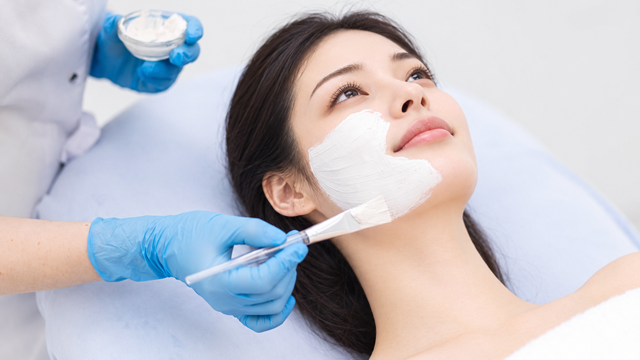
A medical facial in Seoul sits at the quieter end of aesthetic medicine, and at DERMORE Clinic in Gangnam it is treated accordingly: non-surgical facial skin care designed to cleanse, exfoliate and moisturize the skin, with the method depending on the facial selected and on the condition of the individual's skin. What it offers is real but modest, and this page is careful not to inflate it.
What Is Medical Spa & Aesthetic Facials?
A facial in a medical setting is a skin-care treatment performed after a skin assessment, in a clinic that can tell the difference between a cosmetic concern and a medical one.
The core actions are cleansing, exfoliation and moisturization. The specific method follows from the facial selected and the skin it is being performed on.
The realistic cosmetic outcomes are temporarily smoother-feeling skin, improved surface hydration and a fresher-looking complexion.
Results are not guaranteed, and a facial does not replace treatment for an underlying skin condition.
A facial supports routine facial skincare, may temporarily improve the appearance of skin texture, and helps moisturize the skin.
A facial cannot guarantee acne clearance, permanent rejuvenation or pore elimination, and it is not a treatment for medical skin diseases.
The gap between those two lists is where most disappointment with facials comes from. A facial that leaves skin feeling smoother for a week has done what a facial does.
Patients travelling from the United States tend to consider facial treatments for dull-looking skin, uneven texture, dryness or a selected cosmetic concern, depending on what is offered. Those are fair reasons, and they also explain why this category travels well: the treatments are short, the recovery for the gentler ones is minimal, and they fit into a trip around other appointments rather than dominating it. The qualification is the same one that applies at home — a facial addresses the surface and the short term, and a concern that has persisted for years is unlikely to be a surface problem.
What distinguishes a medical facial from the same words used elsewhere is not the products but the setting. The skin is examined first, the treatment is chosen against what the examination found, and the provider has somewhere to refer you if what they see is not cosmetic. That is the whole of the difference, and it is worth more than any single ingredient on a treatment menu.
Who Performs Medical Spa & Aesthetic Facials at DERMORE Clinic
Medical spa and aesthetic facial treatments are provided by DERMORE Clinic’s skincare team. The clinic is led by two representative directors, a board-certified dermatologist and a board-certified internal medicine specialist. Consultations and treatments take place under their medical oversight, and the clinic’s medical spa program offers professional facial care as part of its aesthetic services.
Before any facial, the patient has a one-on-one physician consultation, supported by the Metaview facial skin analysis system. The consultation covers skin concerns, medical history, allergies, current medicines, previous treatments and the skincare products in use. The skin is also examined to confirm that the proposed facial is appropriate. The skincare team then performs the selected treatment according to that assessment, so the choice of facial follows from what the examination found rather than from a fixed menu.
The practical consequence of that arrangement is the one worth knowing. A facial performed in a clinic with dermatological oversight is a facial performed somewhere that can recognise when a skin complaint is not a facial’s problem, and can say so rather than booking a course. If the assessment raises a concern that falls outside routine skin care, the patient can be directed to the appropriate medical evaluation within the same clinic instead of being offered a facial that would not address it.
Facial Treatment Options Available
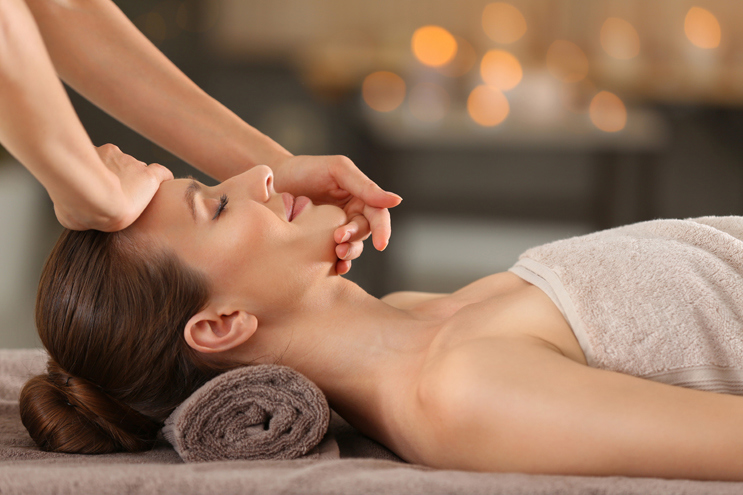
DERMORE Clinic offers five treatments in this category.
Service | Aimed at |
|---|---|
Sensitivity and recovery | |
Dullness and uneven-looking tone | |
Cleansing and pore appearance | |
Puffiness and facial contour appearance | |
Supporting the skin before and after other treatments |
The last of those is the one most often overlooked and most clearly medical in purpose: skin care in preparation and aftercare may accompany laser treatments, peels or other dermatological procedures, and it exists to support skin protection during recovery.
Depending on the treatment offered, equipment may include skin-analysis devices, cleansing and exfoliation systems, hydradermabrasion equipment, LED light therapy, ultrasonic devices and radiofrequency technology. The list is broad because the category is broad; which of them is involved in your appointment depends on the facial selected.
Alternatives differ in exactly the way that matters. Basic cleansing and moisturizing facials suit routine skincare. Microdermabrasion provides mechanical exfoliation. Chemical peels use chemical agents to exfoliate. These have different indications, different risks and different recovery requirements, and choosing between them is a clinical decision rather than a preference for a name.
Every treatment at DERMORE Clinic begins with a one-on-one consultation with a physician, supported by the Metaview facial skin analysis system, and the treatment plan is then built around the patient's skin condition, medical history, expectations and schedule rather than a fixed menu.
Who Is a Good Candidate for Medical Spa & Aesthetic Facials?
Adults seeking routine facial skin care.
Adults seeking improvement in mild cosmetic concerns.
Patients assessed as suitable for the specific treatment selected.
Treatment may need to be postponed, or medical assessment may be needed first, for:
People with active skin infections or open wounds.
People with significant irritation.
People with unexplained skin lesions.
That third item is the reason a facial belongs in a clinic. An unexplained lesion is a reason to be examined, not exfoliated, and a provider who notices the difference is providing something a spa cannot.
What to Expect: Procedure, Recovery, and Results Timeline
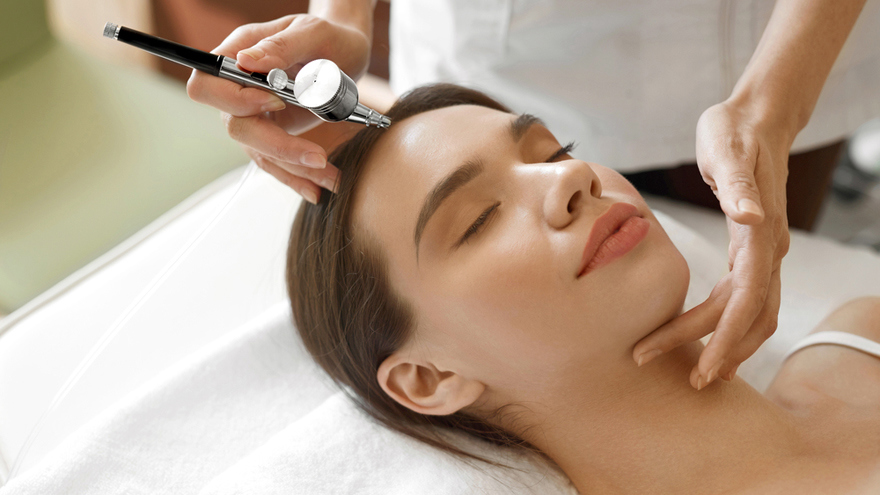
A session follows five steps, and the actual steps depend on the treatment selected.
Review of skin concerns and suitability.
Cleansing of the treatment area.
The selected facial treatment.
Application of appropriate soothing or moisturizing products.
Explanation of aftercare and sun protection.
A basic facial typically takes 30 to 60 minutes per session, and one session is usually enough for routine skincare. Routine cleansing and moisturizing facials generally do not require anesthesia; exfoliating or device-based treatments may cause temporary stinging, tingling, warmth or discomfort, varying with the facial selected and with individual skin sensitivity.
Stage | What happens |
|---|---|
Immediately | Skin may feel smoother after a gentle facial |
Within 1 week | Mild redness or sensitivity usually settles |
Several days | Results from exfoliating treatments develop |
1–2 weeks | Skin hydration and radiance may improve, depending on the treatment |
After multiple sessions | Results from exfoliating treatments may develop further |
For international patients the clinic's stated planning figure for this category is a stay of approximately seven to ten days to allow time for recovery — a figure that reflects the more intensive end of the category rather than a routine facial. After a routine facial without complications, flying may be possible the same day. After stronger peels or resurfacing, confirm travel timing with the treating professional, especially where follow-up or wound care is required.
Before treatment, tell the provider about allergies, skin conditions, cold sores, current medicines and recent cosmetic treatments, and disclose any products that may increase skin sensitivity. Avoid tanning and excessive sun exposure beforehand. Ask whether retinoids, exfoliating acids, waxing or other products should be paused, and do not stop prescribed medicines without medical advice.
Afterwards, use gentle skincare and moisturizer, protect the skin with broad-spectrum sunscreen, and avoid picking or rubbing irritated skin. Follow the provider's instructions on makeup, exfoliants and active skincare ingredients.
Safety, Precision, and Clinic Standards
Possible effects include temporary redness, irritation, dryness, stinging, sensitivity or swelling. More intensive exfoliation can cause burns, pigment changes, infection or scarring. More intensive treatments can also cause peeling. Risk depends on the method and the treatment intensity, which is the single most useful thing to understand about this category: the gentler the treatment, the smaller both the effect and the risk, and the two move together.
Exfoliating acids are where that relationship becomes concrete, and the regulator's position on them is unusually blunt. In July 2024 the U.S. Food and Drug Administration warned consumers not to purchase or use certain chemical peel skin products without appropriate professional supervision, because of the risk of serious skin injuries. It stated that it has not approved any chemical peel products, and that consumers should only consider using them under the supervision of a dermatologist or a licensed and trained practitioner. Products containing trichloroacetic acid, glycolic acid, salicylic acid or lactic acid in high concentrations may cause severe chemical burns, pain, swelling, infection, skin colour changes and disfiguring scars — injuries that may require emergency or specialty care. The agency also noted that the concentration, the number of applications and the length of time a product is left on the skin all influence how deeply it penetrates.
The reason to include a warning about home products on a clinic page is simple. It explains what supervision is actually for, and it sets the standard by which any provider — including this one — should be judged: the person performing the treatment should be able to tell you what is being applied, at what concentration, for how long, and why that is appropriate for your skin.
What DERMORE Clinic states about its own process is this. The provider reviews skin concerns, medical history, allergies, current medicines, previous treatments and skincare products, examines the skin and determines whether the proposed treatment is appropriate. Consultations and treatments are led by a board-certified dermatologist and a board-certified internal medicine specialist. The clinic also provides dedicated pre-treatment and post-treatment care, including intensive care programs, and its stated philosophy is "Value Beyond Skin" — care that goes beyond external appearance to support inner confidence and overall health.
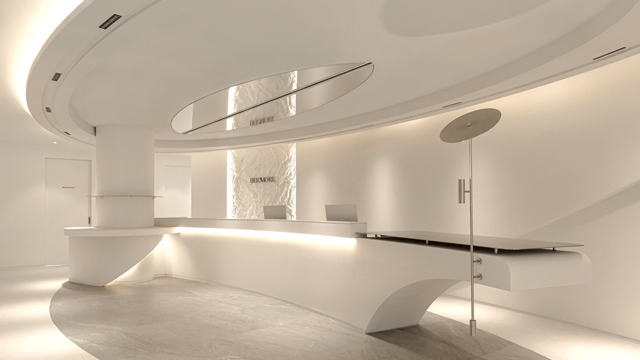
DERMORE Clinic occupies approximately 330 m², about 100 pyeong, on the third floor of the Yeonseung Building in Gangnam, and every skin-care treatment room in the clinic is a private room.
DERMORE Clinic is a Registered Medical Institution for Attracting Foreign Patients, registered with the Republic of Korea's Ministry of Health and Welfare under the Medical Overseas Expansion and Foreign Patients Attraction Act. That registration covers the treatment of international patients; it is not a facility accreditation.
Combining Facials with Other Treatments
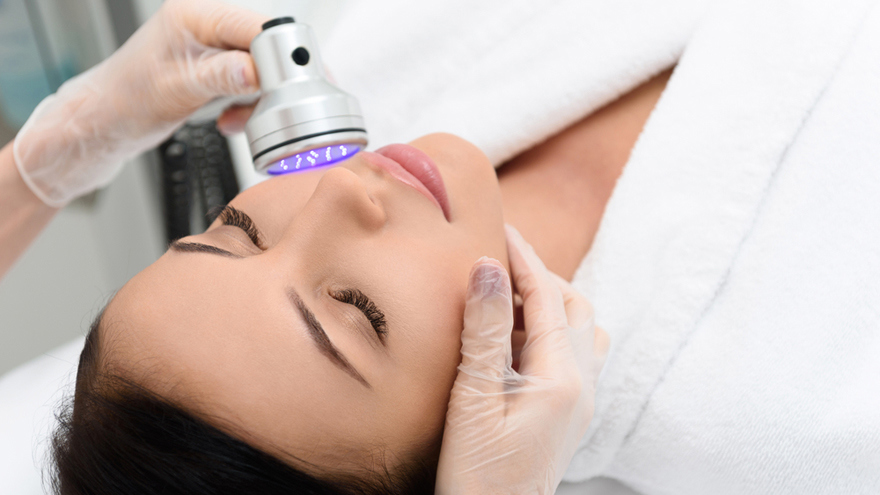
Combining a facial with exfoliation or with other aesthetic procedures is decided according to the skin's condition, the intensity of each treatment and their compatibility. A specific combination is recommended only after a suitability assessment and according to an established treatment protocol. The relevant DERMORE Clinic categories are:
Laser & Light-Based Treatments, where pre- and post-procedure skin care supports recovery.
Acne, Scar & Pore Care, where facial care sits alongside a longer treatment plan.
Skin Boosters, where skin quality is addressed from the inside as well as the surface.
In practice this is the category most likely to be added to another appointment for convenience, and the one where that convenience is least worth having if the skin has just been treated. Skin that has had a laser, a peel or a course of injections is skin in the middle of a process, and an exfoliating facial added on the same day is not a bonus — it is a second treatment on tissue that has not finished responding to the first. The version of this that does make sense is the opposite one: the pre- and post-procedure skin care listed above, which is designed for exactly that window and is chosen with the other treatment in mind.
The Bottom Line
A medical facial cleanses, exfoliates and moisturizes; the realistic result is temporarily smoother, better-hydrated, fresher-looking skin.
It does not replace treatment for an underlying skin condition, and no acne clearance, permanent rejuvenation or pore elimination is promised.
A basic facial takes 30 to 60 minutes, and one session is usually enough for routine skincare.
Risk tracks intensity: gentle facials carry little, while stronger exfoliation can cause burns, pigment change, infection or scarring.
Pre- and post-procedure skin care is the quietly useful service here, supporting the skin around other dermatological treatments.
Frequently Asked Questions
Am I a good candidate for a medical facial? Adults seeking routine facial skin care or improvement in mild cosmetic concerns, who have been assessed as suitable for the specific treatment, generally are. The assessment reviews your skin concerns, medical history, allergies, current medicines, previous treatments and skincare products.
Who should postpone treatment? People with active skin infections, open wounds, significant irritation or unexplained skin lesions may need to postpone, or to have a medical assessment first. Suitability depends on the specific procedure.
How long does a session take, and how many will I need? A basic facial typically takes 30 to 60 minutes. One session is usually enough for routine skincare; results from exfoliating treatments may develop after several days or over multiple sessions.
Is it painful? Most gentle facials cause little discomfort. Exfoliation or chemical treatments may cause temporary tingling, stinging or warmth. The sensation depends on the facial selected and on your own skin sensitivity.
How many days should I stay in Korea? The clinic's planning figure for this category is approximately seven to ten days to allow time for recovery, which reflects its more intensive treatments. After a routine facial without complications, flying may be possible the same day; after stronger peels or resurfacing, confirm the timing with the treating professional.
When will I see a result? Skin may feel smoother immediately after a gentle facial. Hydration and radiance may improve within one to two weeks, depending on the treatment, while results from exfoliating treatments can develop over several days or after multiple sessions.
What are the common side effects? Temporary redness, dryness, mild swelling, sensitivity or tingling. More intensive treatments can cause peeling, pigmentation changes or, rarely, infection or scarring. Contact the provider if symptoms worsen or become severe.
Can a facial treat my acne or my skin condition? No. A facial supports routine skincare and may temporarily improve the appearance of skin texture, but it does not replace treatment for an underlying skin condition. If a skin condition is the concern, that is a consultation rather than an appointment for a facial.
Book a Consultation at DERMORE Clinic
If you are considering a medical facial in Gangnam, Seoul, the consultation establishes which of the five treatments suits your skin — and whether a facial is the right answer at all.
DERMORE Clinic is at 3F, Yeonseung Building, 228 Dosan-daero, Gangnam-gu, Seoul 06048, Republic of Korea. Consultation hours are Monday to Friday from 10:00 to 19:00 KST and Saturday from 10:00 to 16:30 KST, with a weekday lunch break from 13:00 to 14:00 KST. The Wednesday schedule varies by holiday week, and the clinic is closed on Sundays and public holidays.
To book a consultation, contact DERMORE Clinic through its contact page, by phone on +82-2-541-3888, or by email at info@dermoreseoul.com. Consultations for international patients are available in English.
Disclaimer
For general information only. This page does not replace professional medical advice, diagnosis or treatment. Whether any treatment described here is appropriate for you, what it can realistically achieve and what risks it carries are determined in an individual consultation with a qualified medical professional at DERMORE Clinic. Individual results vary with skin condition, medical history, the technology selected and the course of recovery.
Sources & Further Reading
- U.S. Food and Drug Administration — FDA warns against purchasing or using chemical peel skin products without professional supervision
Related Procedures & Treatments
Explore dermatology and anti-aging services available at DERMORE Clinic.
EMFACE Facial Muscle Lifting
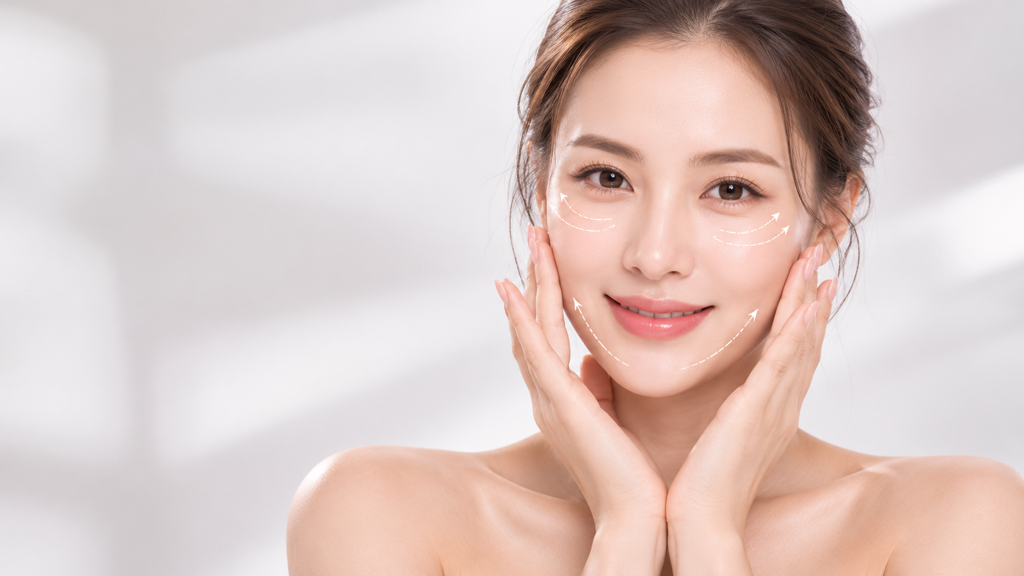
EMFACE facial muscle lifting is a non-invasive treatment that combines synchronized radiofrequency energy with HIFES™ muscle stimulation, so that one session addresses both the skin and the facial muscles beneath it.
Learn More

ELSA Local Lipolysis
ELSA Local Lipolysis is a localized fat-reduction treatment intended to reduce stubborn fat deposits in selected body areas and improve body contours.
Learn More

Pre- & Post-Procedure Skin Care
Pre- and post-procedure skin care is personalized guidance and supportive skin care before and after cosmetic or dermatological treatments.
Learn More