DERMORE Clinic Gangnam, Seoul · Value Beyond Skin · International Patient Support


Specialty Overview
Acne, Scar & Pore Care
Acne, Scar & Pore Care includes specialized skin treatments designed to reduce active acne, improve acne scars, minimize the appearance of enlarged pores, and refine uneven skin texture.
Schedule a ConsultationAcne, Acne Scar and Pore Treatment in Seoul, Korea

Medically reviewed by Dr. Song-Hee Han, board-certified dermatologist, MD, PhD DERMORE Clinic, Gangnam-gu, Seoul
Acne scar treatment in Korea and acne treatment in Seoul are usually searched for as one thing, but at DERMORE Clinic in Gangnam they are handled as a personalized approach to three related problems: managing acne, improving the appearance of acne scars, and reducing the visibility of enlarged pores. Which treatments apply depends on the type and severity of the acne, the characteristics of the scarring, the condition of the skin and individual treatment suitability — which is why the consultation comes first and the treatment menu comes second.
What Is Acne, Scar & Pore Care?
This is a category organised around a diagnosis rather than around a device. Three distinct problems sit inside it, and they do not respond to the same thing.
Active acne is an inflammatory condition being managed, not a blemish being removed.
Acne scars are a structural change in the skin, and their type decides which procedures can help.
Enlarged pores are a texture concern that responds to some of the same treatments and to none of the promises often made about them.
Treatment may help control acne and make certain scars or uneven skin texture less noticeable. Complete scar removal and permanent pore reduction should not be promised, and this page does not promise them.
The approved description of this category at DERMORE Clinic is personalized planning based on skin assessment, with care that — depending on the treatment selected — may help manage acne and improve the appearance of scars and uneven texture. Results and recovery vary by individual.
A clinic that quotes a number of sessions before examining your skin is quoting a package. The number of sessions here is an output of the assessment.
It is worth being precise about what patients usually mean when they ask for this treatment. The reasons given are consistent — managing acne breakouts, reducing the appearance of acne scars, and improving uneven skin texture — but those three goals run on different clocks. Acne management starts producing a change that you can see in weeks and then needs maintaining. Scar work is slower and is measured in sessions. Texture sits somewhere between the two and often improves as a by-product of the other two being treated properly. Separating them at the consultation is what makes the plan legible afterwards, because a patient who is told only "we will treat your skin" has no way to tell, three months later, whether the plan worked.
There is also a common misreading worth correcting early. Much of what a patient points to in the mirror and calls scarring is post-inflammatory pigmentation — flat marks left behind by inflammation rather than a change in the surface of the skin. The two look similar in a bathroom and behave completely differently under treatment, and the distinction is one of the first things the dermatologist's examination is for. Treating pigment as though it were a structural scar wastes sessions; treating a structural scar as though it were pigment wastes more.
Who Performs Acne, Scar & Pore Care at DERMORE Clinic
|
|
Dr. Seung-Gon Jeong | Dr. Song-Hee Han |
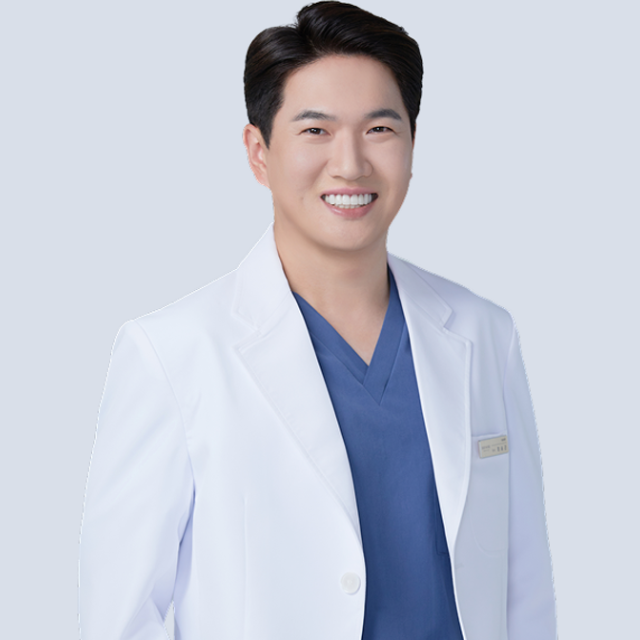
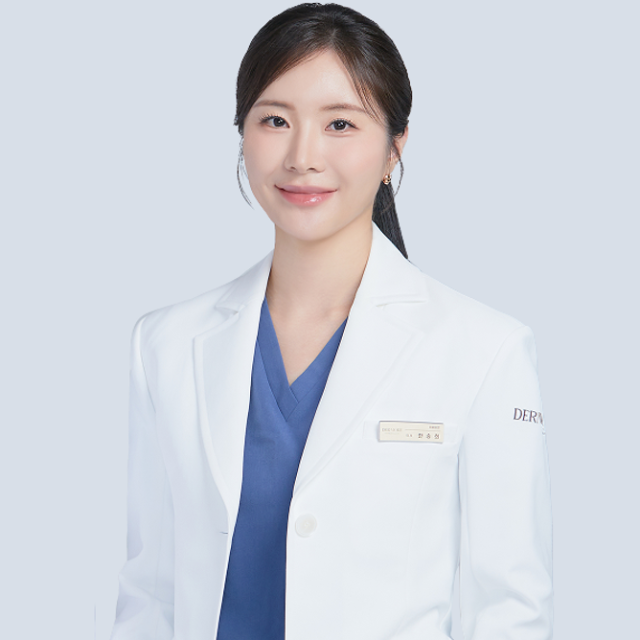
Both of DERMORE Clinic's physicians work in this category, and both hold a representative director role.
Dr. Song-Hee Han leads this area of the clinic's practice and is the named reviewer for this page. Dr. Song-Hee Han is a Representative Director of DERMORE Clinic and a board-certified dermatologist who holds a Doctor of Medicine degree and a PhD. Her stated areas of specialization are anti-aging treatments, lifting, volume enhancement, pigmentation and sensitive skin care. She was previously a director at Mifamoon Dermatology Clinic, Purin Dermatology Clinic and the Sinsa branch of The Hill Dermatology Clinic. She is a full member of the Korean Dermatological Association and the Korean Clinical Dermatology Treatment Research Association, and a member of the Korean Society for Laser Dermatology and the Korean Society of Dermatologic Anti-Aging Medicine. Acne, scarring and pigmentation overlap constantly — post-inflammatory marks are often what a patient means by "scars" — and pigmentation is a declared specialization of hers.
Dr. Seung-Gon Jeong also works in this category. Dr. Seung-Gon Jeong is a Representative Director of DERMORE Clinic and a board-certified internal medicine specialist. His stated areas of practice are anti-aging treatments, lifting, volume enhancement, functional medicine, obesity management, body contouring and IV nutrient therapy. He was previously a director at Rienjang Clinic. He is a certified obesity specialist through the Korean Society for the Study of Obesity and a certified nutritional supplement prescription specialist through the Korean Society of Nutritional Supplement Prescription, and he is a member of the Korean Society of Functional Medicine, the Korean Society of Aesthetic Plastic and Laser Medicine, the Korean Filler Society and the Korean Society of Internal Medicine.
Acne, Scar & Pore Treatment Options Available
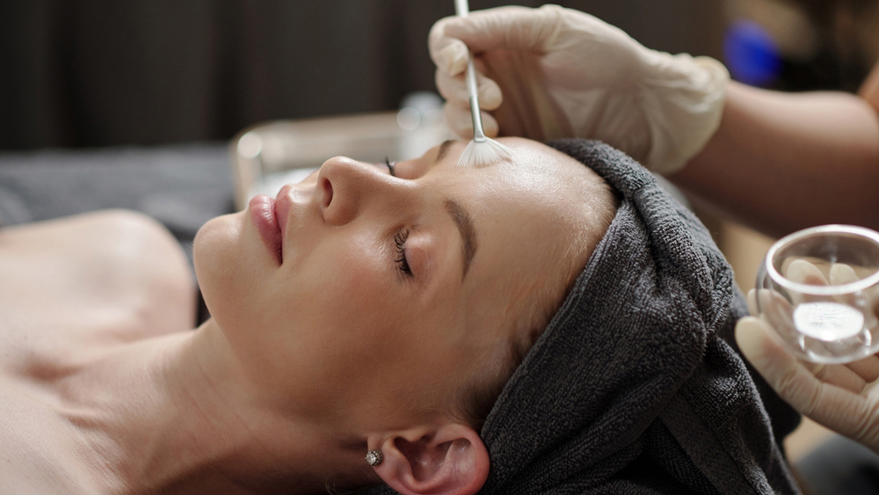
DERMORE Clinic offers five treatments in this category, and they answer different parts of the problem.
Service | Mainly aimed at |
|---|---|
Active acne | |
Active acne | |
Tethered, depressed scars | |
Scar and texture resurfacing | |
Surface texture and acne-prone skin |
The selection is made by the dermatologist after examining acne activity and scar type, reviewing medical history and previous treatments, and discussing what you expect. Scar type matters more than most patients realise: a tethered depressed scar and a shallow textural one are different problems, and the procedure that helps one may do nothing for the other.
Alternatives sit alongside these rather than beneath them. Depending on the diagnosis, topical or prescription acne medication, chemical peels, laser treatment, microneedling, radiofrequency or scar-specific procedures may all be appropriate. For active acne in particular, medication is often the foundation and procedures are the adjunct, not the reverse.
Every treatment at DERMORE Clinic begins with a one-on-one consultation with a physician, supported by the Metaview facial skin analysis system, and the treatment plan is then built around the patient's skin condition, medical history, expectations and schedule rather than a fixed menu.
Who Is a Good Candidate for Acne, Scar & Pore Care?
People with active acne.
People with visible acne scars.
People with uneven skin texture.
Patients who are medically suitable for the specific treatment after a dermatologist's assessment.
Certain procedures may need to be postponed for:
People with active skin infections, open wounds or significant irritation.
Patients whose current medications, medical history or planned treatment make the timing unsuitable.
What to Expect: Procedure, Recovery, and Results Timeline
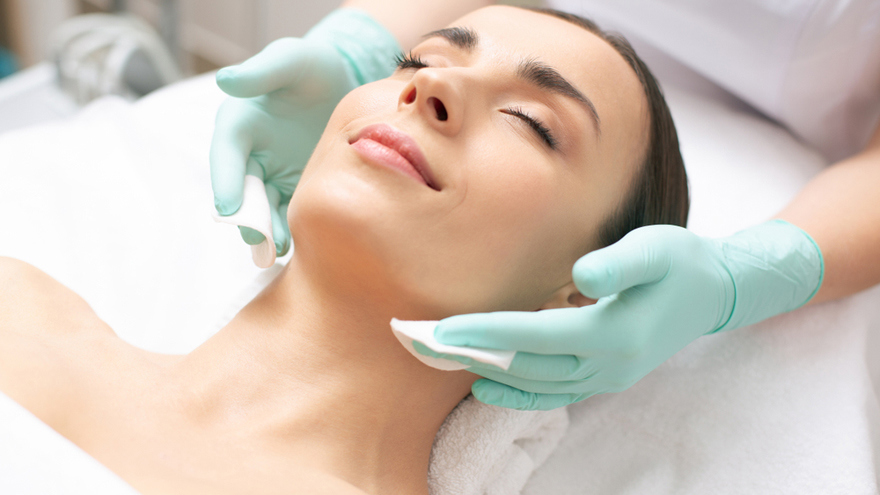
The pathway through this category has six steps, and two of them happen outside the treatment room.
Skin assessment.
Treatment selection.
Skin preparation.
The selected procedure.
Aftercare instructions.
Follow-up assessment.
Individual sessions may take approximately 15 to 60 minutes depending on the treatment and the area. Acne-scar microneedling commonly requires three to five sessions spaced two to four weeks apart, which is the clearest illustration in this category that a result is a course rather than an appointment. Anesthesia requirements depend on the procedure: some treatments require topical numbing and others do not, and the protocol is confirmed with the clinic beforehand. Discomfort varies, and patients may feel tingling, warmth, stinging or brief pinprick sensations.
Stage | What happens |
|---|---|
First days | Redness, sensitivity and peeling begin, depending on the treatment |
1–4 weeks | Those effects gradually improve |
2–8 weeks | Initial improvement in skin texture and acne scars may appear |
Weeks to months | Scar and texture improvement continues to develop; multiple sessions may be needed |
For international patients, a stay of one to three days may be sufficient for acne and pore treatments. Treatments involving microneedling, stronger chemical peels or certain scar procedures may require three to seven days or longer, depending on skin recovery and the plan. Many patients can fly home the same day or the following day if they feel well; after microneedling, deeper peels or more intensive scar treatment, more recovery time may be needed. Ask the treating clinician to confirm when flying is appropriate, particularly if there is significant swelling, bleeding, infection or any other complication.
Before treatment, disclose current and recent acne medications, skincare products, allergies, previous procedures and any history of abnormal scarring, and follow the dermatologist's instructions about sun exposure and medication adjustments. Avoid tanning and excessive sun exposure beforehand. Ask which products or medicines need to be paused, and do not stop prescribed medication without medical advice — that last point matters here more than in most categories, because acne medication is frequently prescribed and frequently stopped by patients on their own initiative before a procedure.
Afterwards, follow the clinic's instructions, keep the skin clean, avoid picking or scratching, protect the skin from sunlight, and use the recommended skincare products. Resume active ingredients only as advised.
Safety, Precision, and Clinic Standards
Depending on the procedure, possible effects include redness, swelling, tenderness, peeling, pigmentation changes, infection or scarring. Temporary redness, swelling, stinging, dryness or skin sensitivity are the common short-term effects. Contact the clinic if symptoms worsen, or if you develop severe pain or blistering.
Microneedling is the treatment in this category with the most explicit published patient guidance, and two points from it apply directly. The U.S. Food and Drug Administration states that microneedling devices have been legally authorized to improve the appearance of facial acne scars, facial wrinkles and abdominal scars in patients aged 22 or older, and that microneedling may be considered a medical procedure rather than a cosmetic one. Its patient guidance includes a question most people never think to ask: whether a new microneedle cartridge is used for each patient and for each treatment session, because reuse of a needle cartridge is unsafe. The same guidance lists conditions that may make the procedure unsuitable, including bleeding disorders, immune suppression, uncontrolled diabetes, active skin infection, a current cold sore outbreak, a history of keloid scars, and isotretinoin taken within the past six months — a list with obvious relevance to patients who have been treated for acne.
Where radiofrequency is added to microneedling, the regulator's position is sharper still. In October 2025 the FDA issued a safety communication stating that it is aware of reports of serious complications with certain uses of radiofrequency microneedling devices for dermatologic or aesthetic skin procedures, including burns, scarring, fat loss, disfigurement and nerve damage, and the need for surgical repair or medical intervention. Its recommendation to patients is to seek care from a licensed health care provider with training and experience on these devices, and to ask which devices the provider plans to use. For a treatment whose purpose is to improve scarring, a complication that causes scarring is the one worth understanding in advance.
What DERMORE Clinic states about its own process is this. Consultations and treatments are led by a board-certified dermatologist and a board-certified internal medicine specialist. The dermatologist examines acne activity and scar type, reviews medical history and previous treatments, discusses expectations and then recommends a plan. The clinic also provides dedicated pre-treatment and post-treatment care, including intensive care programs, and its stated philosophy is "Value Beyond Skin" — care that goes beyond external appearance to support inner confidence and overall health.
DERMORE Clinic occupies approximately 330 m², about 100 pyeong, on the third floor of the Yeonseung Building in Gangnam, and every skin-care treatment room in the clinic is a private room.
DERMORE Clinic is a Registered Medical Institution for Attracting Foreign Patients, registered with the Republic of Korea's Ministry of Health and Welfare under the Medical Overseas Expansion and Foreign Patients Attraction Act. That registration covers the treatment of international patients; it is not a facility accreditation.
Combining Acne, Scar & Pore Care with Other Treatments
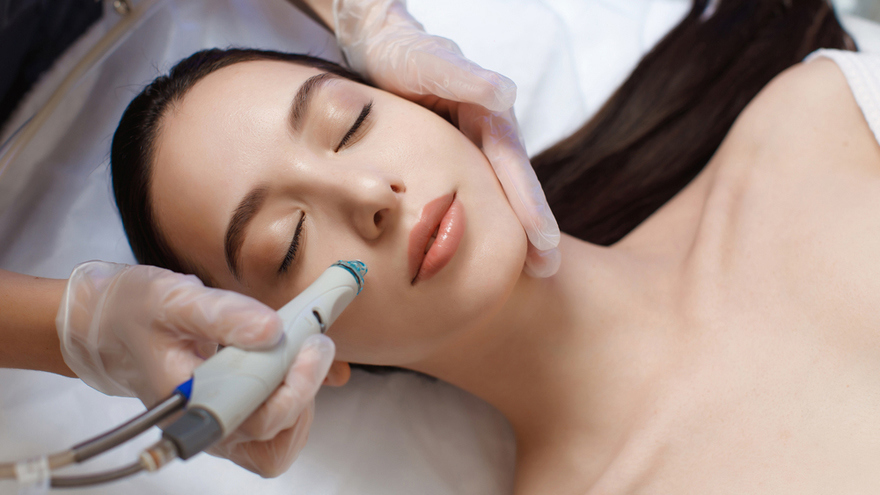
Dermatologists may combine treatments for selected acne scars, because different scar types within the same face often need different procedures. The relevant DERMORE Clinic categories are:
Laser & Light-Based Treatments, for pigmentation left behind by past breakouts.
Medical Spa & Aesthetic Facials, for supported recovery and maintenance between procedures.
Skin Boosters, where overall skin quality is part of the goal.
Which combination is appropriate, and how far apart the procedures should sit, is decided clinically. Skin that is still recovering from one treatment is not ready for the next, and that interval is part of the plan rather than a delay in it.
The follow-up assessment listed as the sixth step of the pathway is the part most often skipped by patients who have travelled, and it is the part that tells the clinician whether the plan is working. Where a follow-up cannot happen in person, agree before the first treatment how it will happen instead — what you should photograph, when, and whom you send it to. A course of three to five sessions planned across two continents needs that arrangement settled at the start, not improvised after the first one.
The Bottom Line
Acne, acne scars and enlarged pores are three different problems inside one category, and they need different treatments.
Scar type determines what can help, which is why the dermatologist's assessment precedes any treatment selection.
Acne-scar microneedling commonly runs to three to five sessions spaced two to four weeks apart; this is a course, not an appointment.
Complete scar removal and permanent pore reduction are not promised, by this clinic or by this page.
For active acne, prescribed medication is often the foundation; do not stop it before a procedure without medical advice.
Frequently Asked Questions
Am I a good candidate for acne or acne scar treatment? People with active acne, visible acne scars or uneven skin texture may be, provided they are medically suitable for the specific treatment after a dermatologist's assessment. The assessment looks at acne activity, scar type, medical history and previous treatments.
Who should postpone treatment? People with active skin infections, open wounds or significant irritation may need to postpone certain procedures. Suitability also depends on your medications, your medical history and the particular treatment planned.
How long does it take, and how many sessions will I need? Individual sessions may take approximately 15 to 60 minutes depending on the treatment and area. Acne-scar microneedling commonly requires three to five sessions spaced two to four weeks apart; other treatments vary.
Is it painful? Discomfort depends on the treatment. You may feel tingling, warmth, stinging or brief pinprick sensations. Numbing options may be available for certain procedures, and the protocol is confirmed with the clinic beforehand.
How many days should I stay in Korea? One to three days may be sufficient for acne and pore treatments. Microneedling, stronger chemical peels or certain scar procedures may require three to seven days or longer, depending on your recovery and the plan.
When will I see results? Initial improvement in skin texture and acne scars may appear within two to eight weeks, depending on the treatment and the number of sessions. Scar and texture improvement can take several weeks to months, and results depend on the scar type, the treatment and your own response.
What are the common side effects? Temporary redness, swelling, stinging, dryness or skin sensitivity. Depending on the procedure, pigmentation changes, burns, infection or scarring are possible. Contact the clinic if symptoms worsen or if you develop severe pain or blistering.
Should I stop my acne medication before treatment? Not on your own. Tell the dermatologist what you are taking — including anything taken recently — and ask what should be paused. Some acne medications genuinely change what is safe to do to the skin, and that is a decision for the prescriber rather than for the patient.
Book a Consultation at DERMORE Clinic
If you are considering acne, acne scar or pore treatment in Gangnam, Seoul, the consultation is where the three problems are separated and the plan is set.
DERMORE Clinic is at 3F, Yeonseung Building, 228 Dosan-daero, Gangnam-gu, Seoul 06048, Republic of Korea. Consultation hours are Monday to Friday from 10:00 to 19:00 KST and Saturday from 10:00 to 16:30 KST, with a weekday lunch break from 13:00 to 14:00 KST. The Wednesday schedule varies by holiday week, and the clinic is closed on Sundays and public holidays.
To book a consultation, contact DERMORE Clinic through its contact page, by phone on +82-2-541-3888, or by email at info@dermoreseoul.com. Consultations for international patients are available in English.
Disclaimer
For general information only. This page does not replace professional medical advice, diagnosis or treatment. Whether any treatment described here is appropriate for you, what it can realistically achieve and what risks it carries are determined in an individual consultation with a qualified medical professional at DERMORE Clinic. Individual results vary with skin condition, medical history, the technology selected and the course of recovery.
Sources & Further Reading
U.S. Food and Drug Administration — Microneedling Devices: authorized uses, risks and patient guidance
U.S. Food and Drug Administration — Potential Risks with Certain Uses of Radiofrequency (RF) Microneedling, Safety Communication, 15 October 2025
Related Procedures & Treatments
Explore dermatology and anti-aging services available at DERMORE Clinic.

EMFACE Facial Muscle Lifting
EMFACE facial muscle lifting is a non-invasive treatment that combines synchronized radiofrequency energy with HIFES™ muscle stimulation, so that one session addresses both the skin and the facial muscles beneath it.
Learn More

ELSA Local Lipolysis
ELSA Local Lipolysis is a localized fat-reduction treatment intended to reduce stubborn fat deposits in selected body areas and improve body contours.
Learn More

Pre- & Post-Procedure Skin Care
Pre- and post-procedure skin care is personalized guidance and supportive skin care before and after cosmetic or dermatological treatments.
Learn More