DERMORE Clinic Gangnam, Seoul · Value Beyond Skin · International Patient Support


Acne, Scar & Pore Care · Needs Clinic Confirmation
AGNES Acne Treatment
AGNES acne treatment is a minimally invasive radiofrequency procedure that uses a micro-insulated needle to deliver controlled energy to targeted tissue, including the sebaceous glands associated with acne.
Schedule a ConsultationAGNES Acne Treatment in Seoul, Korea

Medically reviewed by Dr. Song-Hee Han, board-certified dermatologist, MD, PhD DERMORE Clinic, Gangnam-gu, Seoul
AGNES acne treatment is a minimally invasive radiofrequency procedure that uses a micro-insulated needle to deliver controlled energy to targeted tissue, including the sebaceous glands associated with acne. At DERMORE Clinic in Gangnam, Seoul, it belongs to Acne, Scar & Pore Care, and it is the most targeted acne treatment the clinic offers — one lesion at a time rather than one face at a time.
What Is AGNES Acne Treatment?
The needle is insulated along its shaft so that energy is released only at the tip, which is what makes the treatment selective.
A micro-insulated needle delivers controlled radiofrequency energy to targeted tissue.
The target includes sebaceous glands associated with acne.
The aim is to reduce oil-gland activity and improve selected acne lesions.
Results vary with the acne type, the skin condition and individual response.
New acne can still develop, and other acne treatments may remain necessary.
The appeal of this approach is precision: rather than treating the whole face and hoping, the clinician treats specific points. The corresponding limit is that it addresses the lesions treated. It is not a systemic treatment for a condition that affects the whole skin, and the honest version of a plan built around it includes what else is being done.
Patients from the United States often explore it after conventional treatments have not met their expectations, for persistent breakouts, excess oil and recurring acne.
What Regulators Say About RF Microneedling
Because this treatment delivers radiofrequency energy through needles, the most relevant regulatory statement is a recent one, and it belongs on this page in full.
On 15 October 2025 the U.S. Food and Drug Administration issued a safety communication making consumers, patients and providers aware that serious complications have been reported with certain uses of radiofrequency microneedling devices. For dermatologic or aesthetic procedures intended to improve the appearance of the skin, it describes reports of burns, scarring, fat loss, disfigurement and nerve damage, and of cases requiring surgical repair or medical intervention. Its evaluation is ongoing.
Its recommendations to patients are specific: discuss the benefits and risks of all available dermatologic and aesthetic skin procedures with your provider; seek care from a licensed health care provider with training and experience in these devices; ask which device they plan to use; treat radiofrequency microneedling as a medical procedure rather than a cosmetic treatment; and seek care from a licensed provider if you have problems or concerns afterwards.
The communication concerns devices used for skin-appearance procedures in the United States, and it is not a statement about this clinic or this treatment. Its practical value here is the list of questions it hands a patient, and those questions are reasonable to ask before any needle-based radiofrequency treatment in any country.
Who Performs AGNES Acne Treatment at DERMORE Clinic
|
|
Dr. Seung-Gon Jeong | Dr. Song-Hee Han |
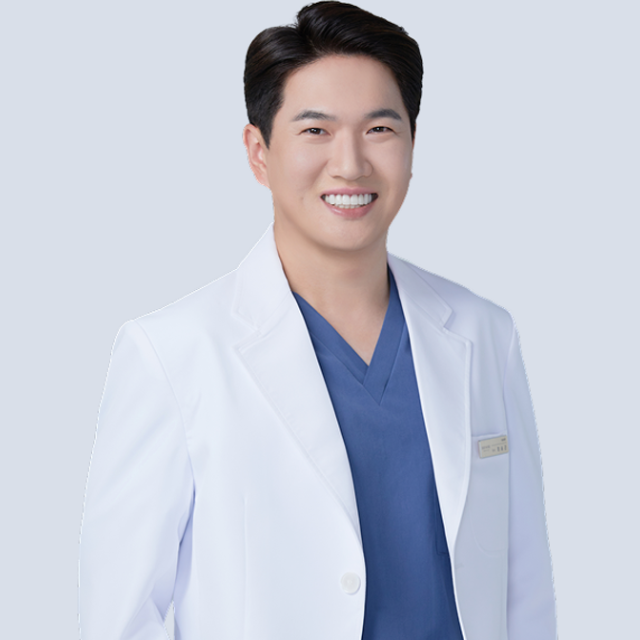
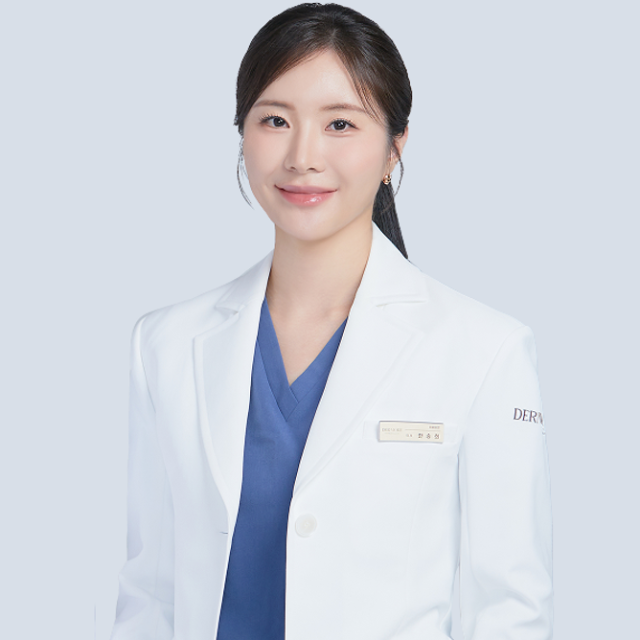
Both of DERMORE Clinic's physicians perform treatments in this category, and both hold a representative director role. This page does not claim that one specific doctor personally performs every session of this service; the treating physician is confirmed when the treatment is scheduled.
Dr. Song-Hee Han leads this area of the clinic's practice and is the named reviewer for this page. Dr. Song-Hee Han is a Representative Director of DERMORE Clinic and a board-certified dermatologist who holds a Doctor of Medicine degree and a PhD. Her stated areas of specialization are anti-aging treatments, lifting, volume enhancement, pigmentation and sensitive skin care. She was previously a director at Mifamoon Dermatology Clinic, Purin Dermatology Clinic and the Sinsa branch of The Hill Dermatology Clinic. She is a full member of the Korean Dermatological Association and the Korean Clinical Dermatology Treatment Research Association, and a member of the Korean Society for Laser Dermatology and the Korean Society of Dermatologic Anti-Aging Medicine.
Dr. Seung-Gon Jeong also performs treatments in this category. Dr. Seung-Gon Jeong is a Representative Director of DERMORE Clinic and a board-certified internal medicine specialist. His stated areas of practice are anti-aging treatments, lifting, volume enhancement, functional medicine, obesity management, body contouring and IV nutrient therapy. He was previously a director at Rienjang Clinic. He is a certified obesity specialist through the Korean Society for the Study of Obesity and a certified nutritional supplement prescription specialist through the Korean Society of Nutritional Supplement Prescription, and he is a member of the Korean Society of Functional Medicine, the Korean Society of Aesthetic Plastic and Laser Medicine, the Korean Filler Society and the Korean Society of Internal Medicine.
Every treatment at DERMORE Clinic begins with a one-on-one consultation with a physician, supported by the Metaview facial skin analysis system, and the treatment plan is then built around the patient's skin condition, medical history, expectations and schedule rather than a fixed menu.
Who Is a Good Candidate for AGNES Acne Treatment?
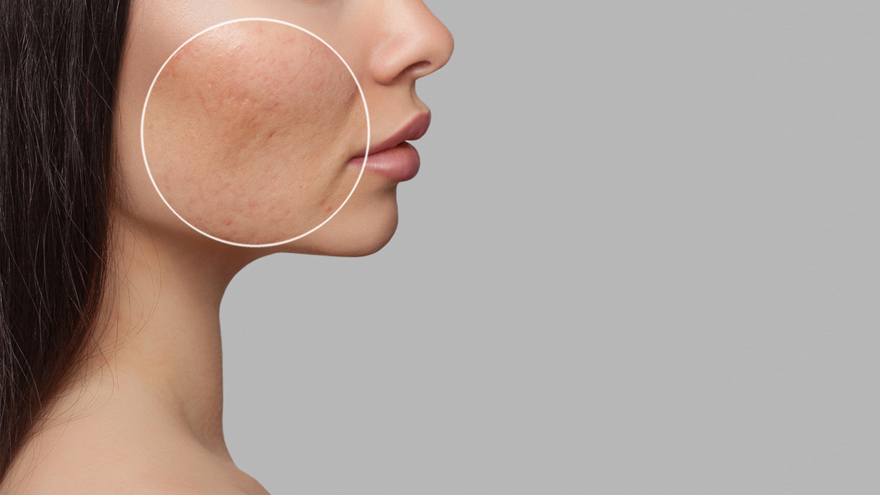
Patients with selected persistent acne lesions.
Patients assessed by a qualified clinician as suitable for targeted radiofrequency treatment.
Patients whose acne type, severity, skin condition and medical history support it.
Treatment may need to be postponed for an active skin infection, open wounds or significant irritation in the treatment area. Pregnancy, implanted electronic devices, bleeding disorders and other medical conditions are assessed against the device instructions and the clinician's guidance.
Depending on acne type and severity, the alternatives include topical retinoids, benzoyl peroxide, azelaic acid, prescription antibiotics, hormonal therapies for appropriate patients, and isotretinoin for selected severe or treatment-resistant acne. Those options are not interchangeable with each other or with a procedure, and part of a good consultation is saying which belongs where.
What to Expect: Procedure, Recovery, and Results Timeline
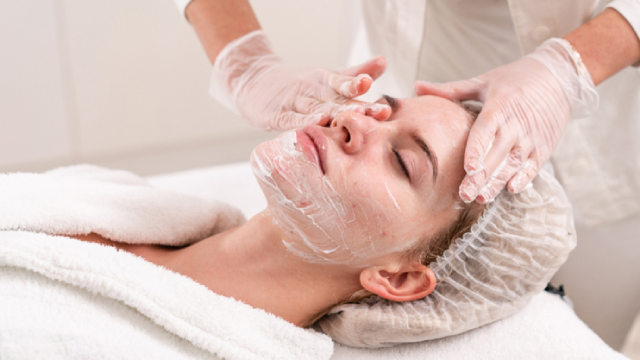
A session follows four steps.
Cleanse the treatment area.
Apply the clinic's selected pain-control method.
Deliver radiofrequency energy to selected treatment points using the device.
Give wound-care instructions and arrange follow-up if needed.
Each session typically takes 30 to 60 minutes, with one to three sessions potentially needed depending on severity and response. A topical numbing cream may be applied beforehand; because fine needles deliver the energy, you may feel brief pinching, warmth or mild stinging, and the pain-control approach can be adjusted for the area and your sensitivity.
Stage | What happens |
|---|---|
1–2 weeks | Mild redness, swelling and small crusts generally improve |
2–4 weeks | Skin recovery may continue, depending on treatment intensity |
2–4 weeks | Initial improvement may appear |
4–8 weeks | Results develop further |
Plan for approximately three to five days in Korea, to allow time for consultation, treatment and an initial follow-up if needed. Most patients can fly home within one to three days if they feel well and have no complications, following their clinician's advice.
Before treatment, tell the clinician about implanted electronic devices, bleeding disorders, medications and any history of abnormal healing.
Afterwards, follow the wound-care instructions, avoid picking crusts, use gentle skincare and protect the skin from sunlight. The device manufacturer mentions hydrocolloid dressings and ice as post-treatment precautions; use them only as the treating clinician directs.
Safety, Precision, and Clinic Standards
Possible effects include redness, swelling, tenderness, crusting, temporary discoloration and infection. Burns, scarring and persistent pigmentation changes are possible complications of skin procedures generally, and the actual risk depends on technique, settings and individual skin characteristics.
That phrase — technique, settings and individual skin characteristics — is the honest summary of where the risk sits with any needle-based radiofrequency treatment, and it matches what the regulatory communication above is asking patients to consider. The questions worth asking are which device is being used, who is operating it, and what experience they have with it on skin like yours.
What DERMORE Clinic states about its own standards is this. Consultations and treatments are led by a board-certified dermatologist and a board-certified internal medicine specialist. Treatment planning is personalized through one-on-one consultation to assess individual needs and suitability. The clinic also provides dedicated pre-treatment and post-treatment care, including intensive care programs, and its stated philosophy is "Value Beyond Skin" — care that goes beyond external appearance to support inner confidence and overall health.
DERMORE Clinic is a Registered Medical Institution for Attracting Foreign Patients, registered with the Republic of Korea's Ministry of Health and Welfare under the Medical Overseas Expansion and Foreign Patients Attraction Act. That registration covers the treatment of international patients; it is not a facility accreditation.
Combining AGNES Acne Treatment with Other Treatments
This treatment may be considered as part of an individualized acne-management plan, and a dermatologist may recommend appropriate topical medications such as retinoids or benzoyl peroxide alongside it. Chemical peels, laser or light treatments, and acne extraction may be considered selectively, though evidence for combining these specifically with this treatment is limited. Timing is set by the clinician to reduce irritation and other complications.
Laser & Light-Based Treatments, where post-acne marks need a pigment-directed approach.
Medical Spa & Aesthetic Facials, where supportive care runs alongside the plan.
Skin Boosters, where skin quality is addressed once acne is controlled.
The Bottom Line
An insulated microneedle delivers radiofrequency energy at its tip, which makes the treatment point-by-point rather than whole-face.
It aims to reduce oil-gland activity and improve selected lesions; new acne can still develop.
The FDA's October 2025 safety communication on RF microneedling describes reports of burns, scarring, fat loss, disfigurement and nerve damage with certain uses.
Sessions take 30 to 60 minutes, with one to three sessions depending on severity.
Plan three to five days in Korea; improvement appears over two to eight weeks.
Frequently Asked Questions
Am I a good candidate for AGNES acne treatment? Patients with selected persistent acne lesions, assessed by a qualified clinician as suitable for targeted radiofrequency treatment. Suitability depends on acne type, severity, skin condition and medical history.
Who should avoid or postpone treatment? Anyone with an active skin infection, open wounds or significant irritation in the area. Pregnancy, implanted electronic devices, bleeding disorders and other conditions are assessed against the device instructions.
What has the FDA said about RF microneedling? In October 2025 it issued a safety communication describing reports of serious complications with certain uses, and advised patients to seek a licensed provider trained on these devices, to ask which device will be used, and to treat the procedure as a medical one.
How long does a session take, and how many will I need? Each session typically takes 30 to 60 minutes, with one to three sessions potentially needed depending on severity and response.
Is it painful? Is numbing used? A topical numbing cream may be applied. You may still feel brief pinching, warmth or mild stinging, and the pain-control method can be adjusted for the area and your sensitivity.
How many days should I stay in Korea? Approximately three to five days, to allow for consultation, treatment and an initial follow-up if needed, with flying home generally possible within one to three days.
When will I see improvement? Initial improvement may appear within two to four weeks, with results developing over four to eight weeks. Longevity depends on acne severity, skin response and ongoing acne management.
What side effects are common? Temporary redness, swelling, tenderness, small scabs and mild bruising. Pigmentation changes and infection are less common.
Book a Consultation at DERMORE Clinic
If you are considering AGNES acne treatment in Gangnam, Seoul, the consultation decides which lesions are worth treating this way — and what the rest of the acne plan looks like.
DERMORE Clinic is at 3F, Yeonseung Building, 228 Dosan-daero, Gangnam-gu, Seoul 06048, Republic of Korea. Consultation hours are Monday to Friday from 10:00 to 19:00 KST and Saturday from 10:00 to 16:30 KST, with a weekday lunch break from 13:00 to 14:00 KST. The Wednesday schedule varies by holiday week, and the clinic is closed on Sundays and public holidays.
To book a consultation, contact DERMORE Clinic through its contact page, by phone on +82-2-541-3888, or by email at info@dermoreseoul.com. Consultations for international patients are available in English.
Disclaimer
For general information only. This page does not replace professional medical advice, diagnosis or treatment. Whether any treatment described here is appropriate for you, what it can realistically achieve and what risks it carries are determined in an individual consultation with a qualified medical professional at DERMORE Clinic. Individual results vary with skin condition, medical history, the technology selected and the course of recovery.
Sources & Further Reading
- U.S. Food and Drug Administration — Potential Risks with Certain Uses of Radiofrequency (RF) Microneedling, safety communication, 15 October 2025
Other Treatments
Explore additional dermatology and anti-aging treatments offered at DERMORE Clinic.

EMFACE Facial Muscle Lifting
EMFACE facial muscle lifting is a non-invasive treatment that combines synchronized radiofrequency energy with HIFES™ muscle stimulation, so that one session addresses both the skin and the facial muscles beneath it.
Learn More

ELSA Local Lipolysis
ELSA Local Lipolysis is a localized fat-reduction treatment intended to reduce stubborn fat deposits in selected body areas and improve body contours.
Learn More

Pre- & Post-Procedure Skin Care
Pre- and post-procedure skin care is personalized guidance and supportive skin care before and after cosmetic or dermatological treatments.
Learn More