DERMORE Clinic Gangnam, Seoul · Value Beyond Skin · International Patient Support


Medical Spa & Aesthetic Facials · Needs Clinic Confirmation
Brightening Facial
A brightening facial is a non-surgical skincare treatment designed to improve dullness, uneven skin tone and the appearance of mild pigmentation, while promoting a fresher, more radiant complexion.
Schedule a ConsultationBrightening Facial in Seoul, Korea

Medically reviewed by the clinical team at DERMORE Clinic DERMORE Clinic, Gangnam-gu, Seoul
A brightening facial is a non-surgical skincare treatment designed to improve dullness, uneven skin tone and the appearance of mild pigmentation, while promoting a fresher, more radiant complexion. At DERMORE Clinic in Gangnam, Seoul, it belongs to Medical Spa & Aesthetic Facials, and the word "mild" in that description is where the honesty lives.
What Is a Brightening Facial?
Depending on your skin condition, the treatment may involve cleansing, gentle exfoliation, hydrating products and skin-brightening ingredients.
Potential benefits include improved hydration, smoother texture, reduced dullness and a more radiant appearance.
Mild unevenness in skin tone may become less noticeable.
Results depend on the underlying cause of the discoloration, the products and techniques used, and ongoing sun protection.
A facial cannot be expected to eliminate all pigmentation.
It cannot permanently change natural skin color.
The cause of the discoloration is the variable that decides everything. Dullness from dryness, environmental exposure or a build-up of dead skin cells responds well to surface care. Melasma, sun spots and post-inflammatory pigmentation are different problems with different treatments, and a facial will not resolve them however many sessions are booked.
Patients commonly come for dull-looking skin, uneven tone, mild discoloration, dryness and rough texture — wanting better surface smoothness, hydration and visible radiance without surgery.
Where a Facial Sits Among Skin Treatments
The U.S. Food and Drug Administration defines cosmetics by their intended use — articles applied to the body for cleansing, beautifying, promoting attractiveness or altering the appearance — and notes that a product intended for a therapeutic use, such as treating a condition, is regulated differently. The law does not require cosmetic products and ingredients, other than color additives, to have approval before they go on the market.
That distinction is the practical one for anyone choosing between a brightening facial and a pigmentation treatment. A facial changes how the skin looks; a medical pigmentation treatment is directed at a diagnosed condition. The advantage of having a facial in a clinic that also offers the second is that someone there can tell you which you actually need.
Who Performs This Treatment at DERMORE Clinic
|
|
Dr. Song-Hee Han | Dr. Seung-Gon Jeong |
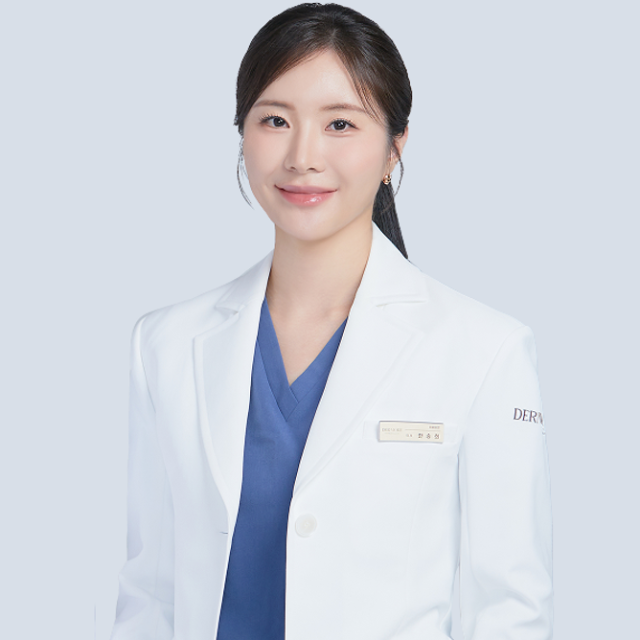
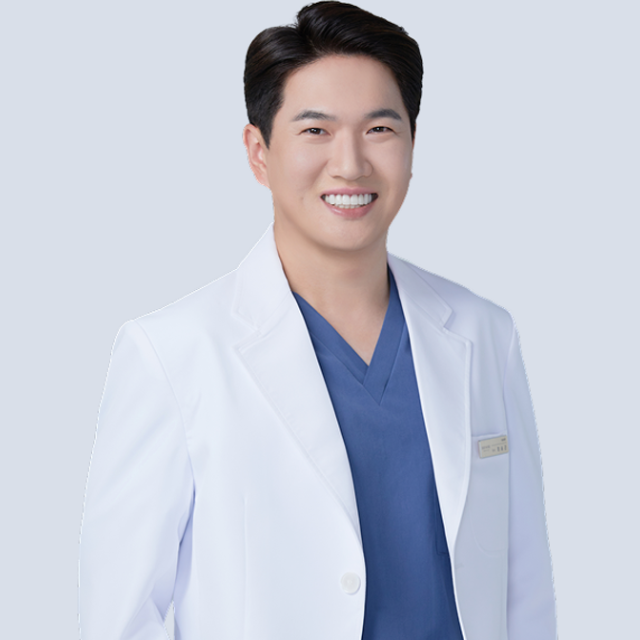
DERMORE Clinic names no individual performing doctor for its medical facial treatments, and neither physician's profile lists medical facials among their procedures, so these treatments are not attributed here to a named doctor. The clinic states that consultations and treatments are led by a board-certified dermatologist and a board-certified internal medicine specialist.
This page does not claim that one specific doctor personally performs every session of this service; the treating physician is confirmed when the treatment is scheduled.
Those two physicians are Dr. Song-Hee Han, a board-certified dermatologist holding a Doctor of Medicine degree and a PhD, whose stated areas of specialization are anti-aging treatments, lifting, volume enhancement, pigmentation and sensitive skin care; and Dr. Seung-Gon Jeong, a board-certified internal medicine specialist whose stated areas of practice are anti-aging treatments, lifting, volume enhancement, functional medicine, obesity management, body contouring and IV nutrient therapy.
Every treatment at DERMORE Clinic begins with a one-on-one consultation with a physician, supported by the Metaview facial skin analysis system, and the treatment plan is then built around the patient's skin condition, medical history, expectations and schedule rather than a fixed menu.
Why Sun Protection Decides the Result
Of everything described on this page, daily sun protection is the factor that most affects whether a brightening treatment shows a lasting benefit.
The reason is mechanical rather than motivational. Treatments that improve tone work on pigment that is already present; ultraviolet exposure prompts the skin to produce more. A course of treatments followed by unprotected sun exposure is a cycle rather than a progression, and the skin ends roughly where it began.
This is also why results in this category are described as depending on ongoing sun protection rather than on the number of sessions. Broad-spectrum sunscreen of SPF 30 or higher, applied daily and reapplied as directed, is not aftercare that ends when the redness settles — it is the part of the plan that makes the rest of it worth doing.
Who Is a Good Candidate for a Brightening Facial?
Adults with dull or dehydrated skin.
Adults with uneven skin tone or mild pigmentation.
Adults with rough texture or a loss of natural radiance.
People whose skin looks tired or lackluster from dryness, environmental exposure or a build-up of dead skin cells.
Treatment may need to be postponed or modified for people with active skin infections, open wounds, severe irritation, sunburn, or inflammatory skin conditions such as an active eczema or dermatitis flare. Anyone with highly sensitive skin or a history of allergic reactions to skincare ingredients should tell the clinician beforehand, because certain exfoliants and brightening products can worsen irritation.
Alternatives include dermatologist-guided topical skincare, chemical peels, laser toning and other pigmentation-focused treatments. Which is appropriate depends on whether the concern is dullness, dehydration, melasma, sun spots or post-inflammatory pigmentation — four of those five are conditions rather than appearances.
What to Expect: Procedure, Recovery, and Results Timeline
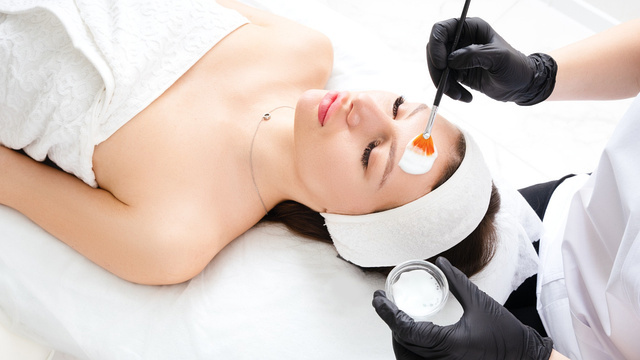
A session follows the usual sequence: the skin is cleansed and assessed, an appropriate exfoliating method is applied if suitable, selected skincare products or medical skincare equipment are used according to the plan, and the treatment finishes with a soothing moisturizer, sunscreen and aftercare instructions.
A standard session generally takes approximately 30 to 60 minutes. Some patients benefit from repeat sessions every few weeks depending on their concerns and the plan recommended. Anesthesia is not required; most patients feel little discomfort, though mild tingling or temporary sensitivity may occur during exfoliation or when brightening products are applied.
Stage | What happens |
|---|---|
Immediately | Most people resume usual activities; a refreshed, hydrated appearance may be visible |
Several hours, occasionally longer | Mild redness or sensitivity may last, particularly after exfoliation or stronger actives |
A few days | A refreshed appearance may become apparent if not immediate |
Across sessions | Improvement in uneven tone generally requires consistent skincare and several treatments |
For a standard non-invasive brightening facial, approximately one day in Korea is generally sufficient for consultation, treatment and the immediate post-treatment assessment, and you can generally plan to fly home after approximately one day if your skin is responding normally.
Afterwards, use a gentle cleanser, moisturizer and broad-spectrum sunscreen of SPF 30 or higher. Avoid harsh exfoliants, excessive heat and irritating active ingredients until the skin feels comfortable, and do not pick or scrub if mild flaking occurs.
Safety, Precision, and Clinic Standards
Temporary redness, tingling, dryness, tightness or mild irritation may occur. Exfoliating agents and active ingredients can sometimes trigger sensitivity or post-inflammatory pigmentation, particularly when they are unsuitable for the skin. Persistent pain, swelling, blistering or worsening discoloration requires medical assessment.
Post-inflammatory pigmentation deserves emphasis on a page about brightening, because it is the specific way this treatment can produce the opposite of what was wanted. Skin that reacts strongly to an exfoliant can darken where it was irritated, and that risk is higher in skin that already marks easily. It is the reason the strength of exfoliation is a clinical decision rather than a preference, and the reason sun protection afterwards is not optional.
The clinic's premium skincare equipment includes BellaLux, described as using three wavelengths for concerns such as pigmentation, acne, skin firmness and wrinkles, along with RegenX microcurrent technology and Plazion non-contact, non-thermal plasma technology.
What DERMORE Clinic states about its own standards is this. Consultations and treatments are led by a board-certified dermatologist and a board-certified internal medicine specialist. Treatment planning is personalized through one-on-one consultation to assess individual needs and suitability. The clinic also provides dedicated pre-treatment and post-treatment care, including intensive care programs, and its stated philosophy is "Value Beyond Skin" — care that goes beyond external appearance to support inner confidence and overall health.
DERMORE Clinic is a Registered Medical Institution for Attracting Foreign Patients, registered with the Republic of Korea's Ministry of Health and Welfare under the Medical Overseas Expansion and Foreign Patients Attraction Act. That registration covers the treatment of international patients; it is not a facility accreditation.
Combining a Brightening Facial with Other Treatments
Depending on the skin assessment, a brightening facial may be combined with a suitable hydrating treatment or with a dermatologist-recommended pigmentation procedure. Strong exfoliation and energy-based treatments should not be combined without a professional assessment of skin sensitivity and recovery needs.
Laser & Light-Based Treatments, where diagnosed pigmentation needs a medical treatment.
Medical Spa & Aesthetic Facials, where the clinic's other facial treatments sit.
Skin Boosters, where hydration is addressed by injection rather than at the surface.
The Bottom Line
The treatment improves dullness, mild unevenness and surface texture, and makes the skin look more radiant.
It cannot eliminate all pigmentation or permanently change natural skin color.
A session takes approximately 30 to 60 minutes, often repeated every few weeks.
Exfoliation carries a real risk of post-inflammatory pigmentation if it is too strong for the skin.
Melasma, sun spots and post-inflammatory marks are conditions, and they need condition-specific treatment.
Frequently Asked Questions
Am I a good candidate for a brightening facial? Adults with dull or dehydrated skin, uneven tone, mild pigmentation, rough texture or a loss of radiance, who want improvement without an invasive procedure.
Who should avoid or postpone treatment? Anyone with an active skin infection, open wound, severe irritation, sunburn, or an inflammatory skin condition such as an active eczema or dermatitis flare. Highly sensitive skin and a history of reactions to skincare should be disclosed first.
Will this remove my pigmentation? No. A facial cannot be expected to eliminate all pigmentation or permanently change natural skin color. Mild unevenness may become less noticeable; diagnosed pigmentation needs condition-specific treatment.
How long does a session take, and how often? Approximately 30 to 60 minutes. Some patients benefit from repeat sessions every few weeks depending on their concerns and the recommended plan.
Is it painful? It is generally well tolerated and does not usually require anesthesia. Mild tingling, warmth or temporary sensitivity may occur during exfoliation or when brightening products are applied.
How many days should I stay in Korea? Approximately one day is generally sufficient for consultation, treatment and the immediate post-treatment assessment.
When will I see results? A refreshed, hydrated appearance may be visible immediately or within a few days. Improvement in uneven tone generally requires consistent skincare and several sessions.
What side effects are common? Mild redness, tingling, dryness, tightness or sensitivity, usually settling within several hours to a few days. More significant irritation or worsening pigmentation is less common but possible if strong exfoliating ingredients are unsuitable for the skin.
Book a Consultation at DERMORE Clinic

If you are considering a brightening facial in Gangnam, Seoul, the consultation identifies what is actually causing the dullness — and that answer decides whether a facial is the right treatment.
DERMORE Clinic is at 3F, Yeonseung Building, 228 Dosan-daero, Gangnam-gu, Seoul 06048, Republic of Korea. Consultation hours are Monday to Friday from 10:00 to 19:00 KST and Saturday from 10:00 to 16:30 KST, with a weekday lunch break from 13:00 to 14:00 KST. The Wednesday schedule varies by holiday week, and the clinic is closed on Sundays and public holidays.
To book a consultation, contact DERMORE Clinic through its contact page, by phone on +82-2-541-3888, or by email at info@dermoreseoul.com. Consultations for international patients are available in English.
Disclaimer
For general information only. This page does not replace professional medical advice, diagnosis or treatment. Whether any treatment described here is appropriate for you, what it can realistically achieve and what risks it carries are determined in an individual consultation with a qualified medical professional at DERMORE Clinic. Individual results vary with skin condition, medical history, the technology selected and the course of recovery.
Sources & Further Reading
- U.S. Food and Drug Administration — FDA Authority Over Cosmetics: how cosmetics are defined by intended use and regulated
Other Treatments
Explore additional dermatology and anti-aging treatments offered at DERMORE Clinic.
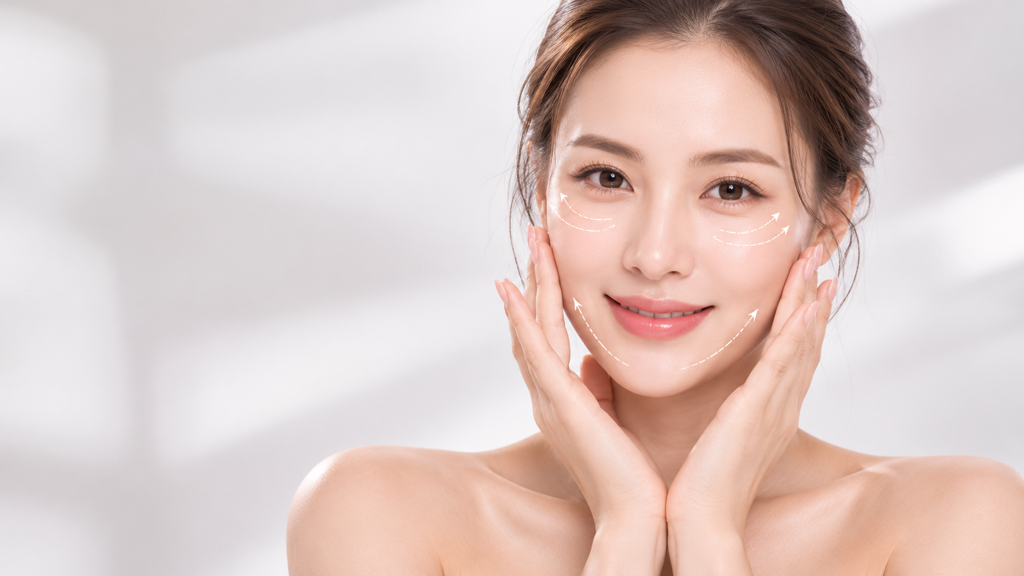
EMFACE Facial Muscle Lifting
EMFACE facial muscle lifting is a non-invasive treatment that combines synchronized radiofrequency energy with HIFES™ muscle stimulation, so that one session addresses both the skin and the facial muscles beneath it.
Learn More

ELSA Local Lipolysis
ELSA Local Lipolysis is a localized fat-reduction treatment intended to reduce stubborn fat deposits in selected body areas and improve body contours.
Learn More

Pre- & Post-Procedure Skin Care
Pre- and post-procedure skin care is personalized guidance and supportive skin care before and after cosmetic or dermatological treatments.
Learn More