DERMORE Clinic Gangnam, Seoul · Value Beyond Skin · International Patient Support


Laser & Light-Based Treatments · Needs Clinic Confirmation
Melasma & Pigmentation Laser Toning
Laser toning is a non-surgical treatment that uses carefully controlled laser energy to target excess pigment and improve the appearance of uneven skin tone.
Schedule a ConsultationMelasma & Pigmentation Laser Toning in Seoul, Korea

Medically reviewed by Dr. Song-Hee Han, board-certified dermatologist, MD, PhD DERMORE Clinic, Gangnam-gu, Seoul
Laser toning is a non-surgical treatment that uses carefully controlled laser energy to target excess pigment and improve the appearance of uneven skin tone. At DERMORE Clinic in Gangnam, Seoul, it belongs to Laser & Light-Based Treatments, and it is the treatment where getting the diagnosis right matters more than getting the device right.
What Is Laser Toning?
The principle is selective: deliver energy that pigment absorbs, at a level the surrounding skin tolerates.
Low-fluence Q-switched Nd:YAG lasers, often at 1064 nm, are used in some protocols.
Suitability depends on whether the pigmentation is melasma, sun spots, post-inflammatory hyperpigmentation or something else.
Treatment may gradually reduce the visibility of selected pigmentation and improve overall tone uniformity.
Results vary with the diagnosis, the pigment depth, the skin type, the settings and adherence to maintenance care.
Melasma can be persistent or recurrent, and overly aggressive treatment can worsen pigmentation.
That last point is the one this page is built around. Pigmentation is not a single condition, and the treatment that helps one kind can aggravate another. A clinic that offers "pigmentation laser" without first establishing which pigmentation you have is offering a setting, not a treatment.
Patients usually come wanting to reduce visible brown or grey-brown patches, improve uneven tone, and address pigmentation that has not responded adequately to skincare. That last phrase is worth noticing: pigmentation that has resisted skincare has usually been present for a while, and a condition that developed over years is not one that resolves in a single appointment.
What the Evidence Says About Laser Toning for Melasma
A systematic review of low-fluence Q-switched Nd:YAG laser treatment for melasma published in Medicina examined 42 articles and found the treatment generally effective and safe relative to previous conventional therapies. It also recorded two cautions that belong in any honest description of this treatment: mottled hypopigmentation has occasionally been reported to develop and persist, possibly in association with high accumulated laser energy; and used aggressively, the same laser can induce hyperpigmentation through unwanted inflammation, especially in darker skin. The review further notes a lack of long-term follow-up data.
Read together, those findings explain the conservative approach taken to this treatment. The risk is not that the laser does nothing — it is that too much of it, too often, produces the opposite of what the patient came for. That is why there is no universal number of sessions and why excessive or overly frequent treatment increases the risk of pigment complications.
Melasma itself is a chronic condition rather than a one-session problem. Overall treatment can take three to twelve months to show results depending on the individual plan, and that is not a laser-only timeline: it includes topical treatment, sun protection and maintenance. A clinic that describes melasma as curable is not describing melasma.
Who Performs Laser Toning at DERMORE Clinic
|
|
Dr. Song-Hee Han | Dr. Seung-Gon Jeong |

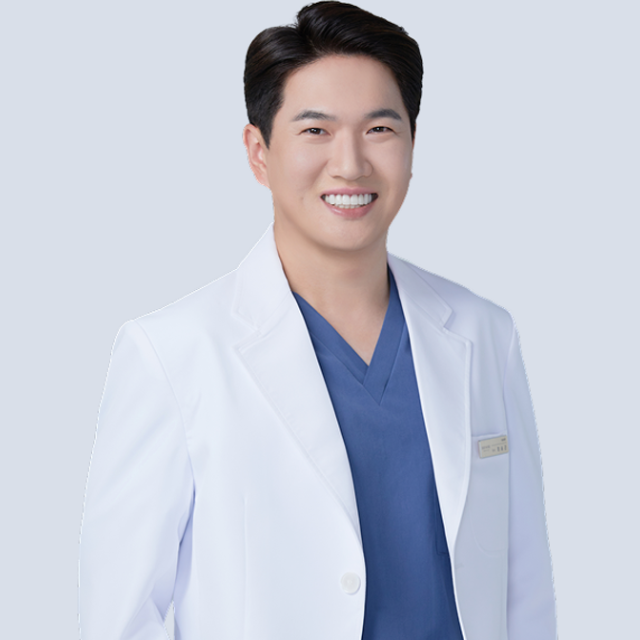
Both of DERMORE Clinic's physicians perform treatments in this category, and both hold a representative director role. This page does not claim that one specific doctor personally performs every session of this service; the treating physician is confirmed when the treatment is scheduled.
Dr. Song-Hee Han leads this area of the clinic's practice and is the named reviewer for this page. Dr. Song-Hee Han is a Representative Director of DERMORE Clinic and a board-certified dermatologist who holds a Doctor of Medicine degree and a PhD. Her stated areas of specialization are anti-aging treatments, lifting, volume enhancement, pigmentation and sensitive skin care. She was previously a director at Mifamoon Dermatology Clinic, Purin Dermatology Clinic and the Sinsa branch of The Hill Dermatology Clinic. She is a full member of the Korean Dermatological Association and the Korean Clinical Dermatology Treatment Research Association, and a member of the Korean Society for Laser Dermatology and the Korean Society of Dermatologic Anti-Aging Medicine. Pigmentation is named directly in her practice profile, and her membership of the Korean Society for Laser Dermatology is the credential closest to this treatment.
Dr. Seung-Gon Jeong also performs treatments in this category. Dr. Seung-Gon Jeong is a Representative Director of DERMORE Clinic and a board-certified internal medicine specialist. His stated areas of practice are anti-aging treatments, lifting, volume enhancement, functional medicine, obesity management, body contouring and IV nutrient therapy. He was previously a director at Rienjang Clinic. He is a certified obesity specialist through the Korean Society for the Study of Obesity and a certified nutritional supplement prescription specialist through the Korean Society of Nutritional Supplement Prescription, and he is a member of the Korean Society of Functional Medicine, the Korean Society of Aesthetic Plastic and Laser Medicine, the Korean Filler Society and the Korean Society of Internal Medicine.
Every treatment at DERMORE Clinic begins with a one-on-one consultation with a physician, supported by the Metaview facial skin analysis system, and the treatment plan is then built around the patient's skin condition, medical history, expectations and schedule rather than a fixed menu.
Who Is a Good Candidate for Laser Toning?
Adults with a dermatologist-confirmed pigmentation concern.
Adults who understand both the possible benefits and the limitations of laser treatment.
Selected patients with persistent melasma, after assessment of skin type, pigment depth, previous treatments, triggers and the risk of post-inflammatory hyperpigmentation.
Treatment may need to be postponed, or an alternative approach taken, for people with an undiagnosed or suspicious pigmented lesion; an active skin infection, open wound or significant irritation in the area; recent tanning or sunburn; or an increased risk of pigment changes or poor healing. Certain medications, pregnancy-related considerations and a history of abnormal scarring all require individual assessment.
The consultation is a diagnostic appointment rather than a formality. The clinician reviews when the pigmentation started, how it is distributed, what has been tried before, your skincare and medication use, hormonal and other possible triggers, and your sun exposure. The skin is examined to distinguish melasma from other pigmentation disorders, and a dermatoscope or Wood's lamp may help. A biopsy may be considered if the diagnosis is uncertain — a step worth welcoming rather than resisting, because the wrong diagnosis here leads to the wrong treatment.
What to Expect: Procedure, Recovery, and Results Timeline
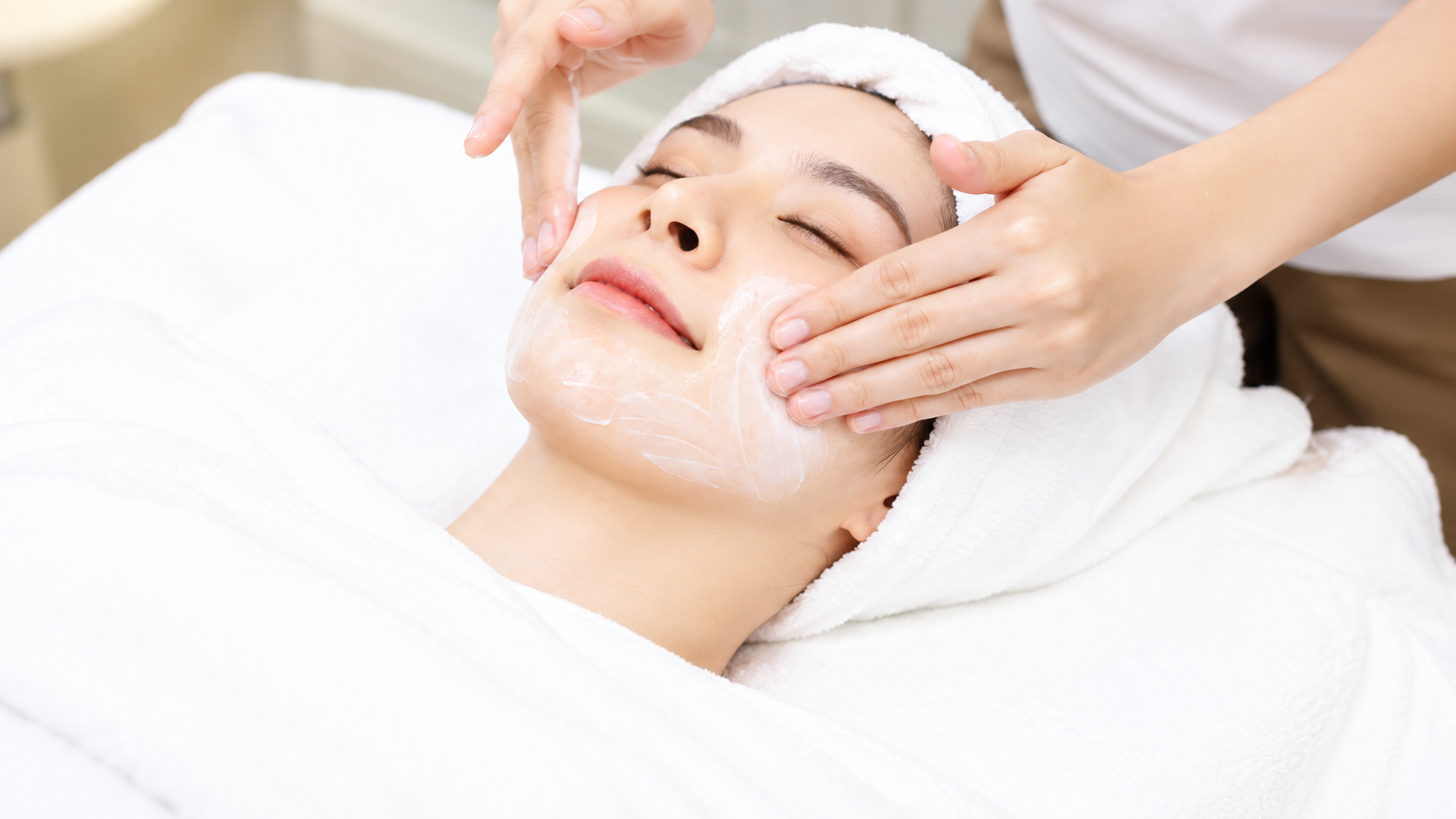
A session follows five steps.
Examine the skin and confirm the treatment plan.
Cleanse the treatment area and provide appropriate protective eyewear.
Select the laser and the settings according to the diagnosis and skin characteristics.
Deliver controlled laser pulses to the selected areas, using cooling or comfort measures if needed.
Examine the skin afterwards and give written aftercare instructions.
A session may take approximately 15 to 30 minutes for a limited area, with additional time for consultation, cleansing and aftercare. Topical anesthetic is not routinely necessary for every protocol and is used only if the treating clinician considers it appropriate. Most patients describe mild warmth, tingling or a snapping sensation during treatment.
Stage | What happens |
|---|---|
Immediately after | Mild redness, warmth or sensitivity may occur |
Days 1–3 | Mild effects often settle, though responses vary |
Days to 1–2 weeks | Lingering sensitivity or temporary pigment change is possible; more intensive treatment takes longer to recover from |
Across a course | Improvement, if achieved, is assessed over several weeks rather than after one session |
For uncomplicated laser toning, one to two days in Korea is a preliminary planning estimate; the actual stay depends on your skin's response and whether an in-person follow-up is required. Flying home may be possible the same day or within one to two days if you feel well and the clinician agrees.
Before treatment, tell the clinician about medications, supplements, allergies, skin conditions, previous laser treatments, recent tanning, cold sores and any history of pigment change or scarring. Avoid intentional tanning and protect the skin from sunlight beforehand.
Afterwards, use gentle cleansing and a suitable moisturizer, and avoid scrubbing, picking or irritating products while the skin is sensitive. Apply broad-spectrum sunscreen of SPF 30 or higher every day and reapply as directed. Tinted sunscreen containing iron oxides provides additional protection against visible light, which is specifically relevant to melasma — a detail many patients have never been told.
Safety, Precision, and Clinic Standards
Temporary redness, warmth, mild swelling, tenderness or irritation may occur. Potential complications include post-inflammatory hyperpigmentation, lighter patches or mottled hypopigmentation, burns, blistering, scarring, and recurrence or worsening of melasma.
Protective eyewear is not a courtesy during any laser treatment, and settings chosen for one skin type are not transferable to another. Both of those are operator responsibilities rather than patient choices, which is why asking what laser will be used, at what setting, and why, is a reasonable question to put before treatment rather than after it.
What DERMORE Clinic states about its own standards is this. Consultations and treatments are led by a board-certified dermatologist and a board-certified internal medicine specialist. Treatment planning is personalized through one-on-one consultation to assess individual needs and suitability. The clinic also provides dedicated pre-treatment and post-treatment care, including intensive care programs, and its stated philosophy is "Value Beyond Skin" — care that goes beyond external appearance to support inner confidence and overall health.
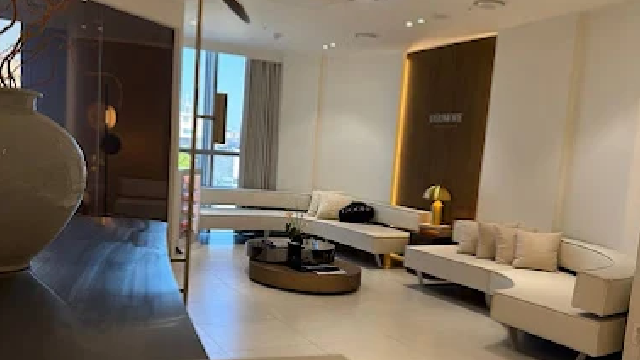
DERMORE Clinic occupies approximately 330 m², about 100 pyeong, on the third floor of the Yeonseung Building in Gangnam, and every skin-care treatment room in the clinic is a private room.
DERMORE Clinic is a Registered Medical Institution for Attracting Foreign Patients, registered with the Republic of Korea's Ministry of Health and Welfare under the Medical Overseas Expansion and Foreign Patients Attraction Act. That registration covers the treatment of international patients; it is not a facility accreditation.
Combining Laser Toning with Other Treatments
A clinician may combine or sequence laser toning with topical depigmenting treatment, sunscreen, or another carefully selected procedure. Combining does not guarantee a better result and may increase irritation or pigment-change risks if the skin is overtreated. Oral medicines such as tranexamic acid require medical assessment and should not be presented as routine cosmetic add-ons.
Depending on the diagnosis, a prescription topical treatment may be a more appropriate starting point than laser treatment at all — alongside diligent sun and visible-light protection, and selected chemical peels or other procedures where indicated.
Acne, Scar & Pore Care, where post-inflammatory marks follow acne rather than sun exposure.
Skin Boosters, where skin quality is a separate goal from pigment.
Medical Spa & Aesthetic Facials, where maintenance care supports the result between sessions.
The Bottom Line
The diagnosis decides the treatment: melasma, sun spots and post-inflammatory pigmentation are not interchangeable.
Published evidence supports low-fluence laser toning for melasma while warning about mottled hypopigmentation and about aggressive use causing hyperpigmentation.
A session takes approximately 15 to 30 minutes for a limited area, usually without anesthetic.
Improvement is assessed over weeks and across a course, not after one session.
Daily broad-spectrum sunscreen, and tinted sunscreen with iron oxides for melasma, is part of the treatment.
Frequently Asked Questions

Am I a good candidate for laser toning? Adults with a dermatologist-confirmed pigmentation concern who understand the benefits and limitations. Selected patients with persistent melasma may be considered after assessment of skin type, pigment depth, previous treatments, triggers and the risk of post-inflammatory hyperpigmentation.
Who should avoid or postpone treatment? Anyone with an undiagnosed or suspicious pigmented lesion, an active infection, open wound or significant irritation in the area, or recent tanning or sunburn. Certain medications, pregnancy-related considerations and a history of abnormal scarring need individual assessment.
How is the diagnosis made? By reviewing the onset, distribution, previous treatments, skincare, medications, possible triggers and sun exposure, and by examining the skin — sometimes with a dermatoscope or Wood's lamp. A biopsy may be considered if the diagnosis is uncertain.
How long does a session take, and how many will I need? Approximately 15 to 30 minutes for a limited area. There is no universal number of sessions, and excessive or overly frequent treatment increases the risk of pigment complications.
Is it painful? Is numbing used? Most patients describe mild warmth, tingling or a snapping sensation. Topical anesthetic is not routinely necessary and is used only where the clinician considers it appropriate.
How many days should I stay in Korea? One to two days is a preliminary planning estimate for uncomplicated treatment, with flying home possible the same day or within one to two days if you feel well and the clinician agrees.
Can melasma be cured? No. It can be persistent or recurrent, and it is managed rather than cured. Overall treatment can take three to twelve months to show results depending on the plan, and sun protection and topical treatment are part of that plan rather than optional extras.
What side effects are common? Temporary redness, warmth, mild swelling, tenderness or irritation, and in some patients temporary darkening or other pigment changes.
Book a Consultation at DERMORE Clinic
If you are considering laser toning in Gangnam, Seoul, the consultation is a diagnostic appointment first. What kind of pigmentation you have decides everything that follows, including whether a laser is the right answer at all.
DERMORE Clinic is at 3F, Yeonseung Building, 228 Dosan-daero, Gangnam-gu, Seoul 06048, Republic of Korea. Consultation hours are Monday to Friday from 10:00 to 19:00 KST and Saturday from 10:00 to 16:30 KST, with a weekday lunch break from 13:00 to 14:00 KST. The Wednesday schedule varies by holiday week, and the clinic is closed on Sundays and public holidays.
To book a consultation, contact DERMORE Clinic through its contact page, by phone on +82-2-541-3888, or by email at info@dermoreseoul.com. Consultations for international patients are available in English.
Disclaimer
For general information only. This page does not replace professional medical advice, diagnosis or treatment. Whether any treatment described here is appropriate for you, what it can realistically achieve and what risks it carries are determined in an individual consultation with a qualified medical professional at DERMORE Clinic. Individual results vary with skin condition, medical history, the technology selected and the course of recovery.
Sources & Further Reading
- Medicina — The Low-Fluence Q-Switched Nd:YAG Laser Treatment for Melasma: A Systematic Review (42 articles)
Other Treatments
Explore additional dermatology and anti-aging treatments offered at DERMORE Clinic.

EMFACE Facial Muscle Lifting
EMFACE facial muscle lifting is a non-invasive treatment that combines synchronized radiofrequency energy with HIFES™ muscle stimulation, so that one session addresses both the skin and the facial muscles beneath it.
Learn More

ELSA Local Lipolysis
ELSA Local Lipolysis is a localized fat-reduction treatment intended to reduce stubborn fat deposits in selected body areas and improve body contours.
Learn More

Pre- & Post-Procedure Skin Care
Pre- and post-procedure skin care is personalized guidance and supportive skin care before and after cosmetic or dermatological treatments.
Learn More